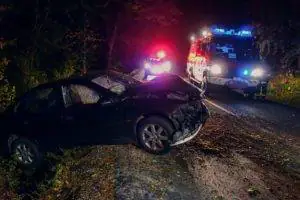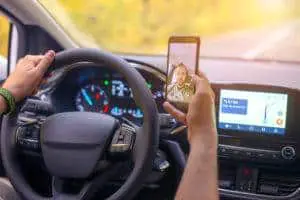

Andrew Pickett Law handles serious Florida crash cases with an eye toward the evidence most people never think about until it is too late. In a modern vehicle, that evidence may include far more than a police report and a few photos. Cars now record pre-impact data, track certain system states, and rely on cameras, radar, and software to assist with braking and hazard detection. When a vehicle equipped with automatic emergency braking is involved in a collision, those systems can become central to the case.
AEB is not a futuristic feature anymore. It is already common in newer passenger vehicles, and federal rules are pushing it toward a broader baseline. That creates a legal shift for Florida injury claims. Plaintiffs’ lawyers are no longer evaluating only driver reaction time. They also may need to ask whether a safety system should have warned, braked, or at least generated useful diagnostic information before the crash.
That does not mean every collision becomes a product-liability case. Often the driver remains the primary wrongdoer. But when the vehicle had advanced driver assistance features, the investigation has to widen. A rear-end collision on I-95, a pedestrian impact at dusk in Melbourne, or a low-visibility intersection crash in Palm Bay may now involve human conduct, machine behavior, and digital records all at once.
If a modern vehicle hit you and the defense is pretending the electronics do not matter, Andrew Pickett Law can help preserve the data before it disappears.
Why does AEB matter more now than it did a few years ago?
Because the regulatory and industry baseline is changing. Automatic emergency braking is becoming standard equipment in more passenger vehicles, and federal safety requirements are moving toward mandatory inclusion in new cars and light trucks. As that happens, juries and insurers will increasingly expect these systems to be part of the factual picture after a crash.
For victims, that has two major consequences. First, a vehicle’s onboard data may offer better evidence about speed, braking, system state, and timing than the driver’s memory ever could. Second, a claimed safety feature can become part of the liability conversation. If a manufacturer marketed a vehicle as having pedestrian detection or emergency braking support, the system’s actual performance may deserve scrutiny when a vulnerable road user is struck.
This is especially important in pedestrian accidents, bicycle crashes, rideshare accidents, and catastrophic injury cases where the defense tries to paint the impact as unavoidable. Sometimes it was. Sometimes the driver was inattentive, the system was disabled, a sensor was obstructed, or a recent repair left the vehicle out of calibration. Those are very different stories.
What kinds of vehicle data should crash victims care about?
Most people have heard the phrase “black box,” but the real data landscape is broader. Event data recorders may capture pre-crash speed, throttle application, brake use, seatbelt status, and other technical information around the crash event. Separately, ADAS systems may store diagnostic trouble codes, calibration statuses, fault histories, or system engagement information depending on the vehicle and the available tools used to examine it.
That means an AEB-related investigation may look for:
- event data recorder downloads
- ADAS fault codes and system-health logs
- radar and camera calibration records
- repair history after windshield, bumper, or front-end work
- software updates, over-the-air changes, and dealer bulletins
- driver settings showing a feature was disabled or sensitivity changed
- manufacturer complaints, recalls, investigations, or technical service bulletins
In a serious case, the vehicle itself may need to be preserved intact. If the insurer totals it, disposes of it, or allows repairs before a qualified inspection, valuable evidence may vanish. That can affect not just product claims, but straightforward negligence cases where the system data would have clarified what the driver did.
Not every AEB case becomes a lawsuit against a manufacturer. But every serious AEB case should be investigated as though the data could matter. Andrew Pickett Law treats preservation that way from day one.
How do sensor failures and calibration problems show up in real cases?
Often in ordinary circumstances, not dramatic ones. A front radar sensor may be slightly out of alignment after a minor prior collision. A camera may require recalibration after a windshield replacement. Dirt, rain, glare, aftermarket parts, or incorrect bumper work may interfere with how the system reads the world. The driver may not know. Sometimes the dealership or body shop missed a step. Sometimes the warning message existed and was ignored.
These issues matter because insurers frequently describe advanced safety features in broad, reassuring language. In real life, those systems have limits. They can fail to detect certain crossing movements, misread cluttered environments, or respond too late at higher speeds. When a pedestrian or cyclist is hit, the technical question is not “Aren’t these systems supposed to stop crashes?” The better question is, “What was this vehicle equipped to do, what condition was the system in, and what does the data show happened here?”
Why do recalls and complaint histories matter?
Because they can reveal that a problem was known before your crash. If a manufacturer has issued a recall, technical service bulletin, or other communication about braking support, sensor performance, false alerts, or missed detections, that information may change how the case is evaluated. Complaint databases and federal investigations can also help identify patterns worth exploring.
Even where there is no formal recall, those materials can sharpen discovery requests and expert review. They may show that similar failures had already been reported, that a certain sensor placement was vulnerable, or that a software revision addressed behavior tied to your collision scenario.
What should crash victims do immediately?
Do not let the vehicle vanish without thought. Preserve photographs of the exterior, the windshield area, the front bumper, and any dashboard alerts if they appear. Keep all repair estimates and prior service records. Tell your lawyer if the striking vehicle was newer, advertised with driver-assistance features, or operated by a commercial entity, rideshare driver, or fleet. In truck accidents and corporate fleet cases, telematics and onboard safety technology may add another layer of evidence.
Why does this matter for Florida injury litigation?
Because the defense wants to keep the case simple when complexity hurts them. If the driver says, “I never saw the pedestrian,” that may sound accidental until the evidence shows the vehicle had warning and braking technology, the system had a fault history, or the data shows no meaningful driver response. Modern crash litigation increasingly turns on those details.
Frequently asked questions about AEB and crash evidence
Will automatic emergency braking prevent every crash?
No. These systems have limits and can perform differently depending on speed, conditions, maintenance, and the type of hazard involved.
Should the vehicle be preserved after a serious crash?
Yes. In many cases, preserving the vehicle is critical so experts can inspect the hardware, data, and calibration issues before evidence is lost.
Call Andrew Pickett Law today for a free consultation. If vehicle data, sensor failure, or recall issues may affect your Florida crash claim, Andrew Pickett Law is ready to move quickly.
Need free legal help in Florida?
We specialize in personal injury claims.