

Melbourne Motorcycle Accident Lawyers
Andrew Pickett Law is a top Melbourne motorcycle accident law firm that handles injury cases throughout Melbourne and Brevard County for victims who need help getting medical treatment and financial recovery. Andrew Pickett grew up in Brevard County and has tried injury cases to verdict in the circuit that would hear a Melbourne rider’s case.

520+ Google reviews
Free Case Evaluation
*By submitting this form, you agree to our disclaimer.
What You Need To Know
- A rider’s claim starts from a worse position than a driver’s, for reasons unrelated to how you ride. No coverage pays your first hospital bill. The other side asks about your helmet before anything else.
- Some rider claims are straightforward, and some turn on evidence that’s gone in two weeks. We’d rather you finish here knowing which kind you have, whether or not you call us.
- A car policy pays the first medical bills after a crash no matter who caused it, and Florida calls the coverage no-fault. No-fault only reaches vehicles with four or more wheels. A motorcycle has two wheels, so most riders carry no no-fault coverage at all.
- Nothing pays your first hospital bill automatically. A driver in a car has $10,000 standing in front of the same hospital bill, and you’ve got nothing.
- Being outside no-fault carries a real advantage. The permanent-injury rule that blocks most injured drivers from claiming pain and suffering doesn’t reach a rider.
- Riding legally without a helmet doesn’t stop the other side arguing about your helmet. An insurer raises it to argue your head injury would have been smaller, not to argue you caused the crash.
- The other driver’s insurer often has counsel on a rider’s case early. The arguments they run are the same few every time. Answering the same few arguments takes scene evidence and the other vehicle’s own recorded data.
Start with the advantage a rider holds over a driver, because everything else on the page starts from a worse position. The hospital bill, the helmet argument and the fee come next. The deadline, the scene evidence and the statute citations sit further down.
The One Rule That Works in a Rider’s Favor
A rider’s claim starts from a worse position than a driver’s, for reasons unrelated to how you ride. No coverage pays your first hospital bill, and the other side asks about your helmet before anything else.
Being outside no-fault carries a real advantage, though. The permanent-injury rule that blocks most injured drivers from claiming pain and suffering doesn’t reach a rider, so a rider claims pain and suffering from the first dollar.
A car policy pays the first medical bills after a crash no matter who caused it, and Florida calls the coverage no-fault. No-fault only reaches vehicles with four or more wheels, so a motorcycle sits outside the system entirely, for better and for worse.
Check tonight whether your own auto policy carries uninsured motorist coverage and whether it lists the bike. The driver who hit you may carry nothing for your injuries, and your own policy is usually where the real money sits.
No Coverage Steps In for a Rider’s First Hospital Bill
A driver in a car has $10,000 standing in front of the same hospital bill, and you’ve got nothing. Most riders don’t find out until the billing desk.
Your health insurance is the policy that carries the hospital while the claim gets built. Give the hospital your health insurance card and tell the billing office the bills belong in a claim, so the hospital knows a recovery is coming.
A doctor who treats you now and agrees to be paid from the settlement is the other route. Lawyers call the agreement a letter of protection, and you’ll usually need a lawyer to arrange it.
You’ve got two years from the crash to file a lawsuit. A hospital stops waiting sooner than two years, so sort out who carries the bills first.
The Helmet Question Isn’t About Fault
Riding legally without a helmet doesn’t stop the other side arguing about your helmet. An insurer raises it to argue your head injury would have been smaller, not to argue you caused the crash.
The distinction matters. An insurer that wants to cut a head-injury payout has to prove, with an expert, that a helmet would have changed the injury. Saying so isn’t proving so.
The other driver’s insurer often has counsel on a rider’s case early, and the arguments they run are the same few every time. Answering the same few arguments takes scene evidence and the other vehicle’s own recorded data.
Photograph the bike, the road and your gear today. A street sweeper clears the debris, a shop repairs or salvages the bike, and the scene that would answer the helmet argument disappears within weeks.
Rider Claims That Turn on Evidence Gone in Two Weeks
Some rider claims are straightforward, and some turn on evidence that’s gone in two weeks. If the driver admitted fault, the driver’s policy covers your bills, and you healed, take the offer and keep every dollar.
The claims that need help start with a gap. The driver carries nothing, the insurer has opened with the helmet, or the bike has already gone to a salvage yard.
We’d rather you finish here knowing which kind you have, whether or not you call us. Call, read us your declarations page, and we’ll tell you where the money in your case actually sits.
The call and the review cost nothing, and nobody signs anything to have the conversation.
He Tries Cases to Verdict, and Insurers Price That In
Andrew Pickett grew up in Brevard County and spent years prosecuting cases in the Eighteenth Judicial Circuit before he represented injured people, and Brevard judges try Melbourne injury cases in the Eighteenth Judicial Circuit. He trained at the Trial Lawyers College, and he tries cases to verdict. An insurance reserve set on an assumption gets another look when the file belongs to a lawyer who puts cases in front of juries.
You’ll deal with the lawyer on your case rather than a call center. Clients tell us the same thing in their reviews: they knew what was happening while it happened. We’ll tell you the next step and roughly when it comes, and when something changes, we’ll call you about the change.
A Motorcycle Accident Lawyer Paid Only as a Share of Your Recovery
Andrew Pickett Law works on a contingency fee only. We take a percentage of whatever we recover for you, and we charge no fee at all if we recover nothing. You’ll never write us a check to get started, and you’ll never see an hourly bill.
Florida law caps the percentage a law firm can charge, so no firm sets its own ceiling. We back the Bar’s cap with a commitment of our own. We work your case to its maximum value, and we pay the filing fees, order the medical records and hire the experts while you’re still healing.
Ask any firm you talk to, including us, who pays the advanced costs if you lose. Firms answer the question differently, so get the answer in writing before you sign anything.
We Start a Rider’s Call With Your Own Policy
A first call is a conversation, not a commitment. You describe the crash and read us what your own policy says, and we’ll tell you which coverage your case is really built on.
Bring the crash report number if you’ve got it, and the declarations page from your own auto policy. You can call with no paperwork at all.
If Andrew Pickett Law takes your case, our fee comes out of a recovery and nothing comes out of your pocket while the case runs. If the claim doesn’t need a lawyer, we’ll tell you and you can take the offer.
Motorcycle Accident Lawyers Serving Melbourne
Motorcycle accidents occur throughout Melbourne and Brevard County, particularly along busy roadways such as US-1, Wickham Road, Eau Gallie Boulevard, Babcock Street, Palm Bay Road, and Interstate 95. These routes carry heavy daily traffic and often involve situations where drivers fail to see or yield to motorcycles.
At Andrew Pickett Law, our legal team represents riders injured in collisions involving passenger vehicles, commercial trucks, and other negligent drivers. Motorcycle accidents frequently occur when motorists change lanes without checking blind spots, make unsafe left turns, or drive while distracted. Our firm investigates the circumstances of each crash and works to hold negligent drivers accountable.
Compensation Available After a Motorcycle Crash
Motorcycle accident victims often suffer catastrophic injuries requiring extensive medical treatment and long-term rehabilitation. Our Melbourne injury attorneys help injured riders pursue compensation for:
- Emergency medical treatment and hospitalization
- Ongoing medical care and rehabilitation
- Lost wages and reduced earning capacity
- Pain and suffering
- Permanent disability or catastrophic injuries
- Wrongful death damages for families who have lost loved ones
Because motorcycle accident claims often involve disputes over liability or unfair stereotypes about riders, having an experienced attorney can help ensure that insurance companies evaluate the case based on the actual facts of the accident.
Scene Evidence Goes First, and the Blame Argument Starts Early
If you are recovering from a motorcycle crash, you must act decisively. Under Florida law (House Bill 837), the statute of limitations for personal injury claims based on negligence is two years from the exact date of the accident.
Waiting to secure legal representation can cripple your claim. Within months, road debris is swept away, damaged bikes are repaired or sold for salvage, and witness recollections fade. Even when a crash seems minor at the scene, internal or cognitive injuries can take weeks to surface. To protect your financial security, call a lawyer as soon as you are medically stable.
Frequently Asked Questions About Motorcycle Accident Claims
What should I do after a motorcycle accident in Melbourne?
After a motorcycle accident in Melbourne, you should seek medical attention immediately, report the crash to law enforcement, and document the scene if possible. Because serious injuries are common in motorcycle crashes, it is important to consult with an attorney before discussing the accident with insurance companies.
Who is responsible for a motorcycle accident?
Liability for a motorcycle accident often depends on the actions of other drivers involved in the crash. Many accidents occur when motorists fail to yield to motorcycles, make unsafe turns, or drive while distracted. An investigation can help determine which party is legally responsible for the collision.
What compensation can motorcycle accident victims recover?
Victims injured in motorcycle accidents may recover compensation for medical expenses, lost income, pain and suffering, rehabilitation costs, and other damages depending on the circumstances of the crash.
Riders in Melbourne: the rules that work for you, and against you
Does no-fault insurance apply to motorcycles?
Florida’s no-fault rules apply to vehicles with four or more wheels.1 A motorcycle has two, so no motorcyclist is required to carry no-fault medical coverage, and most do not have it.
Here is the part that rarely makes it onto a page. The permanent-injury requirement — the rule that stops most injured Florida drivers claiming for pain and suffering — exists as the price of being inside that system. It is tied to it. A motorcyclist hurt by a negligent driver is generally not required to prove a permanent injury before claiming for pain, suffering and loss of enjoyment of life.2
The same impact, the same injuries, in a car and on a bike, can produce two different answers to “can you claim for what this did to you.” On the bike, the answer is more often yes.
Who pays my hospital bill if I have no no-fault coverage?
That is the other side of it, and it arrives first.
A driver injured in a car has $10,000 standing between them and the emergency room bill, without anyone deciding whose fault it was. You have nothing. No first payer, no fourteen-day rule, no automatic anything. The trauma bill from Holmes Regional arrives with your name on it while the question of fault is still months from being answered, and it is a large bill because trauma care is billed at full rates.
What actually helps, in order: use your health insurance, even though someone else caused this — it pays a negotiated rate rather than the sticker price and it stops the debt landing on you. Check whether you bought medical payments coverage on the bike; many riders have it and forget. And if you have no health insurance, there are routes to treatment that do not start with signing away part of your settlement.
You should hear this in week one, not in month three when the account has gone to collections.
I was not wearing a helmet. Can that be used against me?
Florida allows a rider over 21 to ride without a helmet if they are covered by an insurance policy providing at least $10,000 in medical benefits for injuries suffered while riding. Eye protection is required either way, at any age.3
Riding legally without a helmet does not make the argument go away. The other side may well raise it — not to say you caused the accident, but to say the head injury would have been less severe. That is a different argument, and it should be named precisely, because it only reaches the injuries a helmet would have affected. It has nothing to say about a broken leg, a shoulder, or who ran the light.
Cyclists have a statute that forbids this argument. Motorcyclists do not. Anyone telling you it cannot be raised is thinking of the wrong two wheels.
What do drivers’ insurers claim about motorcyclists?
Motorcycle claims attract blame-shifting more than any other, and Florida’s rule stops paying entirely once your share passes half. The recurring arguments, and what answers them:
- “You were speeding.” Frequently asserted from the damage rather than measured. Scene evidence, the other vehicle’s own recorded data and the geometry of the impact are what settle it, and they can be gone within weeks if no one asks for them.
- “I didn’t see him.” This is closer to an admission than to a defense. A driver turning across traffic has to yield to what is there, and not having looked properly is the failure rather than the excuse.
- “He was lane splitting.” Be accurate here: riding between lanes of traffic is not permitted in Florida, so if it happened it matters. If it did not happen, do not let it be assumed from a final resting position.
- “He was wearing dark clothing.” Relevant only if it actually made you hard to see at that moment. Headlamps are on during daylight on a modern motorcycle.
References
- Fla. Stat. § 627.732(3) — “motor vehicle” means a self-propelled vehicle with four or more wheels designed and required to be licensed for use on the highways of this state
- Fla. Stat. § 627.737(2) — the threshold on non-economic damages applies to a defendant with security in effect under §§ 627.730–627.7405, and to a plaintiff within the no-fault system; the limitation does not reach a claimant who is not required to carry such coverage. Fla. Stat. § 627.733(1) — the security requirement applies to owners of motor vehicles as defined in § 627.732(3)
- Fla. Stat. § 316.211 — protective headgear required under 21; a rider over 21 may ride without it if covered by an insurance policy providing at least $10,000 in medical benefits for injuries incurred as a result of a crash while operating or riding on a motorcycle; eye-protective device required regardless of age
Other Injury Cases We Take On
In addition to representing victims of motorcycle accidents, Andrew Pickett Law handles many other types of accident and injury cases throughout Melbourne and Brevard County, including:
- Car Accident
- Truck Accident
- Uber & Lyft Accident
- Pedestrian Accident
- Bicycle Accident
- Slip and Fall
- Dog Bite Injury
- Boating Accident
- Wrongful Death
Areas and Zip Codes Served From Our Melbourne Office
- 32901 – Downtown Melbourne / Crane Creek
- 32904 – West Melbourne
- 32934 – Wickham Park / North Melbourne
- 32935 – Eau Gallie / Croton Road Corridor
Our latest reviews on Google

Jess Man (iiBlazex305x)
1 day ago
Barbie was really energetic and extremely nice. She was the best!

Andrew Head
3 days ago
Allison and the Intake team were fantastic! Thank you for your help

Annie Killgore
6 days ago
Andrew and team are great at what they do. They put on great events for the community and Ashley has been very helpful.

Robby Willey
6 days ago
Great experience with this firm! In my time of need I felt cared for and well spoken for which gave me full confidence that I chose the right firm!

Jasmine Laser
6 days ago
Highly recommend Andrew Pickett Law! Ashley Johnson was incredibly helpful, professional, and great to work with!

Katelyn Winters
6 days ago
Being in a car accident can be so stressful, having this firm help you will take the stress away! Ashley was amazing, so supportive, and really put me at ease.

Rachelle Lewis
6 days ago
Andrew Pickett Law is hands down one of the best personal injury law firms in Brevard! They have such compassionate, caring employees who truly make a difference. Ashley is a perfect example of the kind of people who make this firm so special! It’s clear that this team genuinely cares about helping people through difficult situations. If I ever find myself in an auto accident, Andrew Pickett Law will absolutely be the first firm I call! Highly recommend!

Jillian Waters
6 days ago
Great team of professionals who genuinely care about helping people!

Jonathan Lewis
6 days ago
It’s always nice to see a local business that focuses on helping people when they need support the most. Personal injury situations can be overwhelming, and having professionals who understand the importance of guidance and communication is valuable. Wishing this team continued success!

Cody Johnson
6 days ago
I highly recommend this personal injury law practice to anyone looking for a team that truly cares about their clients. They are professional, knowledgeable, responsive, and dedicated to helping people navigate what can be a very stressful and overwhelming time. It’s clear that they take their work seriously and genuinely want the best for the people they represent. If you’re looking for a law firm that treats you with respect and makes you feel heard, this is a great place to turn!

Stephanie Mortier
8 days ago
Thank you so much for everything .

Alonza Crowley
9 days ago
I am so pleased with the service provided by this firm. The staff answered all my questions and explained the processes going forward. I feel very confident that I will be represented well. Allison was a pleasure to talk to.
Injured in Melbourne? We're Ready to Help.
Andrew Pickett Law has helped thousands of accident victims recover the compensation they deserve. Tell us what happened – we'll take it from there.
Start My Free Case ReviewNo upfront costs. No fees unless we win your case.
Meet Andrew Pickett
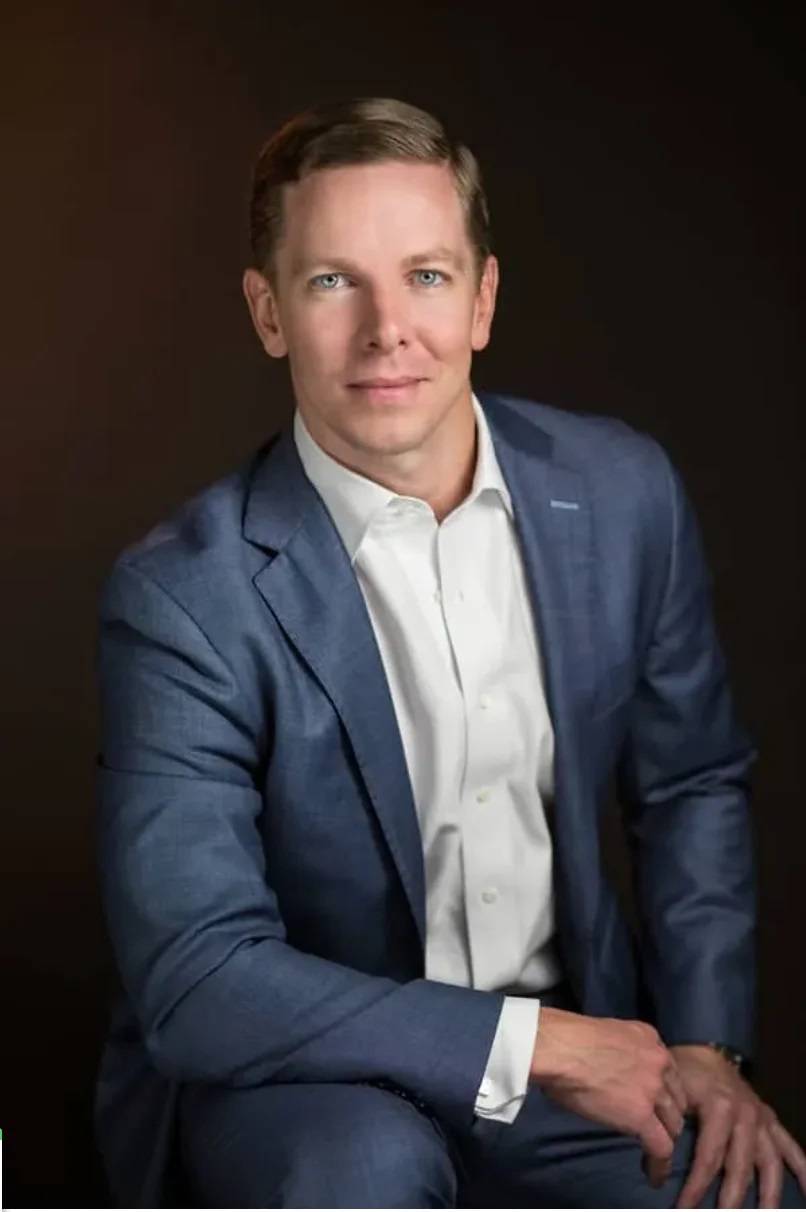
Dealing with the murky policies of insurance companies designed to confuse and prevent you from receiving compensation is our expertise.
15+ years experience as a personal injury attorney.
Specialized in battling insurance companies.
95% settlement rate for clients.
Handled 450+ personal injury cases.
Collected more than $50 million for clients.
450+ people have chosen Andrew as their attorney.