



Andrew Pickett Law is a top Melbourne wrongful death law firm that handles claims throughout Melbourne and Brevard County for families who need help getting answers and financial recovery. Andrew Pickett has tried cases to verdict, and a wrongful death file is valued differently once the other side expects a trial.
What You Need To Know
- A Florida wrongful death claim works differently from what most families expect. The rules decide who in the family recovers anything at all. Getting the structure wrong early costs money a family can’t get back.
- Most families already know they need a lawyer after a death, and the harder part is knowing what to ask. We’d rather you finish here knowing what to ask for, whether or not you ever call us.
- Florida doesn’t let each family member bring a separate case. The court appoints one person to act for the estate, and that person brings a single action for everyone entitled to recover. The law calls them the personal representative.
- Getting the personal representative appointed is usually the first legal step, and it’s done before anyone files a claim.
- In Florida wrongful death law a “minor child” means anyone under 25.
- Deaths caused by medical care follow different rules. In a medical case, a child aged 25 or over can’t recover for the pain of losing a parent. A parent can’t recover for losing a child aged 25 or over either.
- The two-year deadline runs from the date of death, not the date of the injury that caused it. Where someone’s hurt and dies months later, the gap between the injury and the death matters.
Start with the one decision your family can make in the next few days. Who the law pays, the fee and the first call come next. The deadline, the medical-case rules and the statute citations sit further down.
The Court Appoints One Person to Act for the Whole Family
Florida doesn’t let each family member bring a separate case. The court appoints one person to act for the estate, and that appointed person brings a single action for everyone entitled to recover. The law calls the appointed person the personal representative.
Getting the personal representative appointed is usually the first legal step, and a family does it before anyone files a claim. Your family’s first decision, then, is which of you asks the judge for the job.
Pick one person and agree on the choice before anyone files a petition. When two relatives each ask a Brevard judge for the appointment, the family pays for the contest in months while the claim waits.
You don’t need to know the court, the forms or the estate rules to pick a name. You need one name your family agrees on.
Who the Law Pays, and Who It Leaves Out
A Florida wrongful death claim works differently from what most families expect. The rules decide who in the family recovers anything at all, and getting the structure wrong early costs money a family can’t get back.
In Florida wrongful death law a “minor child” means anyone under 25. A 24-year-old still counts, and a family that assumes otherwise leaves a claim on the table.
Deaths caused by medical care follow different rules. In a medical case, a child aged 25 or over can’t recover for the pain of losing a parent, and a parent can’t recover for losing a child aged 25 or over either.
The two-year deadline runs from the date of death rather than the date of the injury that caused it. Where someone’s hurt and dies months later, the gap between the injury and the death matters, and the death is the date to count from.
The Family Pays a Wrongful Death Lawyer Nothing Unless We Recover
Andrew Pickett Law works on a contingency fee only. We take a percentage of whatever we recover for the family, and we charge no fee at all if we recover nothing. You’ll never write us a check to get started, and you’ll never see an hourly bill. A contingency fee matters in a season when a family is already paying for a funeral.
Florida law caps the percentage a law firm can charge, so no firm sets its own ceiling. Case costs are a separate category, covering filing fees, records and expert work. We advance the case costs and take them out of the recovery at the end, and nothing comes out of the family’s pocket while the case runs.
Ask any firm you talk to, including us, who pays the case costs if you lose. Firms answer the question differently, so get the answer in writing before anyone signs.
He Prosecuted in the Court Where Your Family’s Case Will Run
Andrew Pickett grew up in Brevard County and spent years as a prosecutor in the Eighteenth Judicial Circuit. A Brevard wrongful death case runs through the probate and civil divisions of the Eighteenth Judicial Circuit. He trained at the Trial Lawyers College, and he tries cases to verdict. An insurance carrier prices a file differently when the lawyer across the table has taken a case to a jury.
A wrongful death case moves through two courtrooms and at least three agencies, and your family will deal with the lawyer on the case rather than a call center. Clients tell us the same thing in their reviews: they always knew what was happening. We’ll tell you the next step and roughly when it’s coming, and when something changes, we’ll call you about the change.
What to Ask Before You Hire Anyone
Most families already know they need a lawyer after a death, and the harder part is knowing what to ask. We’d rather you finish here knowing what to ask for, whether or not you ever call us.
Ask who the firm believes the personal representative should be and why. Ask which family members the firm expects the law to pay, and whether a medical-case rule changes the list. Ask how the fee and the costs land on each survivor’s share.
A firm that answers plainly on the first call is telling you how it will run the case. A firm that answers with a number is telling you something too.
Call us and put the same questions to us. The call and the review cost nothing, and nobody signs anything to have the conversation.
Describe What Happened and We’ll Name the Next Legal Step
A first call is a conversation, not a commitment. You describe what happened and who’s left, and we’ll tell you what the next legal step is and who in your family can take it.
Bring a death certificate if the state has issued it, and the names of the surviving spouse, children and parents. You can call with no paperwork at all.
If Andrew Pickett Law takes the case, our fee comes out of a recovery and nothing comes out of the family’s pocket while the case runs. If your family doesn’t need a lawyer, we’ll tell you plainly and point you to the right counter.
Wrongful Death Lawyers Serving Melbourne
Losing a loved one unexpectedly is one of the most devastating experiences a family can face. When a fatal accident occurs because of negligence, Florida law allows surviving family members to pursue a wrongful death claim against the responsible party.
At Andrew Pickett Law, our legal team represents families throughout Melbourne and Brevard County in wrongful death cases involving serious accidents such as motor vehicle crashes, unsafe property conditions, boating incidents, and other preventable tragedies. Our firm carefully investigates the circumstances of each case and works to hold negligent individuals, businesses, and insurance companies accountable.
Compensation Available to Surviving Family Members
Florida wrongful death claims allow certain family members to recover financial damages after the loss of a loved one. Depending on the circumstances, compensation may include:
- Funeral and burial expenses
- Medical expenses related to the fatal injury
- Loss of financial support and future income
- Loss of companionship and emotional support
- Pain and suffering experienced by surviving family members
- Other economic and non-economic damages permitted under Florida law
Because wrongful death claims involve complex legal procedures and strict deadlines, families often benefit from speaking with an experienced attorney who can guide them through the process and protect their rights.
The Two-Year Clock Starts at the Death, Not the Injury
If your family is considering a wrongful death claim, you must act decisively. Under Florida law, the statute of limitations for wrongful death is two years from the date of death — a different starting point than the deadline that applies to an injury claim, and one that can fall sooner than families expect.
Waiting to secure legal representation can cripple your claim. Within months, physical evidence disappears, vehicles and equipment are repaired or scrapped, and witness recollections fade. The records needed to prove a lifetime of lost support and services — employment history, benefits, and household contributions — also take time to assemble. To protect your family’s financial security, speak with a lawyer as soon as you are able.
Frequently Asked Questions About Wrongful Death Claims
Who can file a wrongful death claim in Melbourne?
Under Florida law, wrongful death claims are typically filed by the personal representative of the deceased person’s estate on behalf of surviving family members. Eligible beneficiaries may include spouses, children, parents, or other relatives depending on the circumstances.
How long do I have to file a wrongful death claim?
Florida law generally allows two years from the date of death to file a wrongful death lawsuit. Because these cases involve complex legal procedures, families often benefit from consulting with a Melbourne wrongful death lawyer as soon as possible.
What types of accidents can lead to wrongful death claims?
Wrongful death cases in Melbourne may arise from many types of accidents, including car crashes, truck accidents, motorcycle collisions, boating accidents, dangerous property conditions, and other incidents caused by negligence.
Losing a family member: how the claim is actually structured
Why can we not each bring our own claim?
Florida does not let each family member bring their own case. There is a single action, brought by the personal representative of the estate, on behalf of everyone entitled to recover.1 If the person who died had already started a claim for their injuries, that claim ends and this one replaces it.1
One consequence lands early: a defense that would reduce or defeat one family member’s share can be raised against that person alone. It does not damage anyone else’s part of the claim.1
Which family members can recover, and for what?
This is the definition that surprises every family, and it is not a drafting quirk — it is doing real work. For this part of Florida law, a “minor child” is anyone under 25, whatever the age of majority says.2
| Who | What they may recover for the death itself |
|---|---|
| Surviving spouse | Loss of companionship and protection, and mental pain and suffering from the date of injury3 |
| Children under 25 | Lost parental companionship, instruction and guidance, and mental pain and suffering3 |
| Children 25 or over | The same — but only if there is no surviving spouse3 |
| Parents of a child under 25 | Mental pain and suffering3 |
| Parents of a child 25 or over | Mental pain and suffering — only if there are no other survivors at all3 |
| Any survivor | Lost support and services, and medical or funeral costs they paid themselves3 |
The estate has a separate claim of its own — the earnings lost between the injury and the death, what the person would have accumulated over a working life, and medical and funeral costs that fell on the estate.4Money awarded to the estate is exposed to the claims of creditors who have followed the probate rules.5 That is a real difference between the two sides of the claim, and it should be understood before anything is agreed.
What if the death was caused by medical care?
Read this here rather than discover it after burying someone.
Florida contains a provision that applies only to deaths caused by medical negligence. Under it, a child aged 25 or over cannot recover for the mental pain and suffering of losing a parent, and a parent cannot recover for the loss of a child aged 25 or over.6 Not reduced. Not capped. Not available at all.
The practical result is that where an adult patient dies through negligent care and leaves no spouse and no children under 25, there may be no claim worth bringing at all — because the losses the family actually suffered are the ones the statute excludes. Families discover this at the worst possible moment, usually from a lawyer declining the case.
It has come close to changing twice. A repeal passed both chambers of the Legislature in 2025 and was vetoed in May of that year. Another passed the House in January 2026 by 88 votes to 17 and then died in the Senate when the session ended in March.6As things stand in 2026 the provision is still law. If you are reading this later, check whether that is still true.
Two things follow from it. First, whether a death is characterised as medical negligence or as ordinary negligence can decide whether a family has a claim — and that characterisation is not always obvious. Second, if this describes your situation, get the question looked at rather than assuming either way. It costs nothing to ask and the answer is not always the one people expect.
How long do we have to bring the claim?
Two years, and it starts on the date of death rather than the date of the injury that caused it.7 Where someone is gravely hurt and dies months later, that distinction matters and it usually works in the family’s favor.
Two exceptions. A death caused by medical negligence runs on its own timetable, with an outer limit measured from the incident.8 And where a government body is involved the notice deadline is shorter for a death than for an injury — two years rather than three, and the agency has ninety days to respond rather than six months.
One last point on punitive damages. They can be claimed in a death case, but there is only one punitive award per death — family members do not each pursue their own.9 The bar for claiming them at all is high.
References
- Fla. Stat. § 768.20 — the action is brought by the personal representative for the benefit of the survivors and the estate; the decedent’s own personal injury action abates on death; a defense good against one survivor does not affect the recovery of another
- Fla. Stat. § 768.18(2) — “minor children” means children under 25 years of age, notwithstanding the age of majority; § 768.18(1) — definition of “survivors”
- Fla. Stat. § 768.21(1)–(5) — lost support and services; the surviving spouse’s claim; children under 25, and all children where there is no surviving spouse; parents of a deceased minor child, and parents of an adult child where there are no other survivors; medical and funeral expenses recovered by a survivor who paid them
- Fla. Stat. § 768.21(6) — the estate’s claim for lost earnings, lost prospective net accumulations reduced to present value, and medical and funeral expenses charged to the estate
- Fla. Stat. § 768.21(7) — “All awards for the decedent’s estate are subject to the claims of creditors who have complied with the requirements of probate law concerning claims”
- Fla. Stat. § 768.21(8) — damages under subsections (3) and (4) are not recoverable by adult children, or by parents of an adult child, in claims for medical negligence as defined by § 766.106(1). HB 6017 (2025) passed both chambers and was vetoed 29 May 2025; HB 6003 (2026) passed the House 88–17 on 15 January 2026 and died when the session ended 13 March 2026. Confirm the position against the current statute before relying on it
- Fla. Stat. § 95.11(5)(e) — two years for an action for wrongful death; § 95.031(1) — a cause of action accrues when the last element occurs; Fulton County Administrator v. Sullivan, 753 So. 2d 549 (Fla. 1999) — a wrongful death cause of action accrues on the date of death
- Fla. Stat. § 95.11(5)(c) — two years for medical negligence from the incident or from discovery with due diligence, and in no event more than four years from the incident, subject to the exceptions stated there
- Martin v. United Security Services, Inc., 314 So. 2d 765 (Fla. 1975) — punitive damages available in a wrongful death action where an element of compensatory damages is established, with a single punitive recovery per death; Fla. Stat. §§ 768.72, 768.73 — pleading requirement and caps
Other Cases We Handle for Local Families
In addition to representing families in wrongful death cases, Andrew Pickett Law handles a wide range of accident and injury cases throughout Melbourne and Brevard County, including:
- Car Accident
- Truck Accident
- Motorcycle Accident
- Uber & Lyft Accident
- Pedestrian Accident
- Bicycle Accident
- Slip and Fall
- Dog Bite Injury
- Boating Accident
Areas and Zip Codes Served From Our Melbourne Office
- 32901 – Downtown Melbourne / Crane Creek
- 32904 – West Melbourne
- 32934 – Wickham Park / North Melbourne
- 32935 – Eau Gallie / Croton Road Corridor
Free Case Evaluation
Please describe what happened. We will review your case for free and work to secure the highest legal compensation possible.
5000+ Cases Reviewed
Sebastian Martinez
$200,000 Verdict
"Our family is flat out impressed with the Andrew Pickett Law firm technical mastery, they never wavered with kind direction as our recovery prolonged during the COVID-19, and they delivered the maximum settlement possible."
how the claim process works
Step 2
We take action
Our dedicated team gets to work investigating your claim.
Step 3
We fight for you
If we take on the case, our team fights to get you the maximum compensation legally possible.
Free Case Evaluation
Please describe what happened. We will review your case for free and work to secure the highest legal compensation possible.
5000+ Cases Reviewed
Beatrice Maxime
$1,000,000 Verdict
"I am so very grateful to have had this firm represent me. I was in a car accident a few years ago, but the car insurance company of the person who totaled my car would not replace my car, nor pay for my medical bills. We ended up going to court and because of Mr. Pickett, we won the case. Thank you so much for all you did for us!!!!"
Meet Andrew Pickett
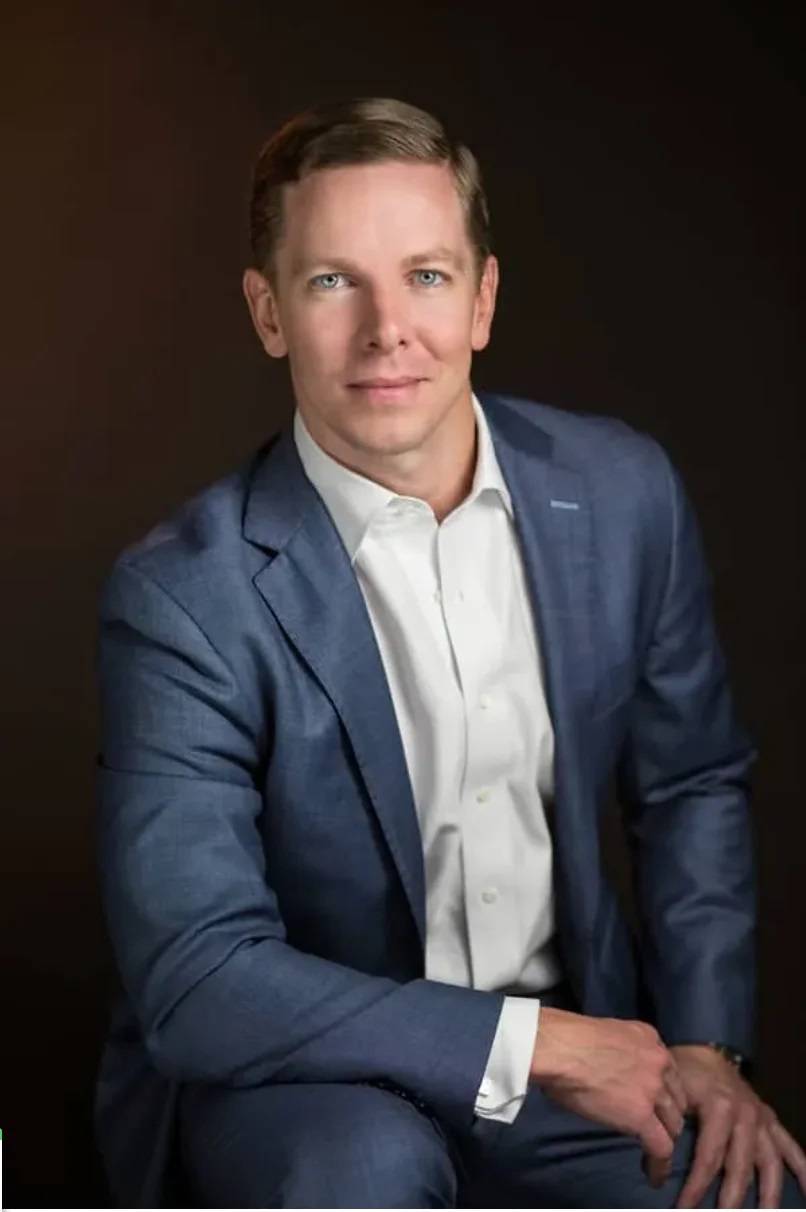
Dealing with the murky policies of insurance companies designed to confuse and prevent you from receiving compensation is our expertise.
15+ years experience as a personal injury attorney.
Specialized in battling insurance companies.
95% settlement rate for clients.
Handled 450+ personal injury cases.
Collected more than $50 million for clients.
450+ people have chosen Andrew as their attorney.
520+ Satisfied Clients
Our latest reviews on Google

Kev Albaugh
7 days ago
After being in a serious car accident, I hired Andrew Pickett and his team in Melbourne to handle my case. From day one, Mr. Pickett treated me with genuine respect, compassion, and professionalism. He took the stress completely off my shoulders so I could focus on recovering. I would also like to recognize Lindsay, Jeremy, Vonda, and Caroline for always keeping me updated throughout the entire process and addressing any questions or concerns I may have had. Thanks to Andrews incredible expertise and relentless advocacy, he secured a phenomenal outcome that exceeded all of my expectations. If you are looking for an honest, hardworking personal injury attorney on the Space Coast who delivers real results, look no further than Andrew Pickett Law. They are the best in the business.

Robbi Sandkulla
9 days ago
When my fiancé was in a serious car accident, we were completely overwhelmed, but Andrew Pickett and his team were an absolute blessing. They stepped in immediately, handled every detail with the insurance companies, and kept us updated every step of the way. Seeing how much stress they lifted off his shoulders was a huge relief. Andrew fought hard and won an amazing outcome for his case. We are so incredibly grateful for this firm's dedication and highly recommend them!

Teresa Wyatt
21 days ago
The Team at Andrew Pickett has been great, so far. Extremely quick, and thorough. Wasted no time, in getting my case started.

Alondra “Alo” Ruiz
1 month ago
Very friendly and helpful. Love that they give back to the community.

Angela Oravits
1 month ago
We truley appreciate the kindness and helping us and many with a back pack. It was great to meet Andrew and Thank him for his kindness.

Jae is bae
1 month ago
That was so sweet of them, giving out free backpacks and supplies for the kids and making it easier for the parents to come up and just grab the backpacks and go to get home to their children. Love this event for people. I hope to see them next year as well.

K SN
1 month ago
⭐⭐⭐⭐⭐ I cannot say enough good things about my experience with Phindile at Andrew Pickett Law. From the moment she answered the phone, she was kind, compassionate, and truly listened to everything I had to say. After spending almost 16 months with another law firm where I felt completely ghosted and struggled with a lack of communication, I was feeling frustrated and unheard. Phindile spent nearly an hour on the phone with me, patiently listening to my concerns, answering my questions, and walking me through the process. She made me feel like my case actually mattered. In that one phone call, I received more communication, care, and reassurance than I had during my entire 16 months with my previous firm. Her professionalism, empathy, and willingness to help made such a stressful situation feel so much easier. If the rest of the team is anything like Phindile, I know I’m in good hands. Thank you for treating me with kindness and making me feel heard. I truly appreciate everything you’ve done.

marianne mattern
1 month ago
Andrew was a very nice person. Unfortunately they did not have shade for the people in the pre register line. Which left people with disabilities and non disabled left in the sun. They did provide little bottles of sunscreen and promo hand fans. Water was provided. Thank you for the kindness.

Rachael Brown
1 month ago
Thanks for your gracious contribution to our community

Jeremiah's Ice of West Melbourne
1 month ago
It was an absolute pleasure to join you this year in project backpack! What a great give-back for our local youth, it was an incredibly smooth event. Great team work!!

Nicole Popun
1 month ago
Thank you for giving back to the community. God bless your family.

Andrew Arnabat
1 month ago
My wife and I got hit with a car accident and the insurance chaos that followed. Tiffany Whitehouse and the Andrew Pickett Law team stepped up. Tiffany was always on the ball and went the extra mile. Vonda, Lindsey, Lauren, and Caroline really cared. They handled everything so we didn’t have to, moved fast, and got us the max they could. No stress. Just results

Joshua Sund
1 month ago
My daughter really enjoyed her backpack everything was very well organized

Audra Forbes
1 month ago
Amazing turnout! Everyone was so helpful, handing out waterbottlesand fans to stave off the scorching heat. I'm glad I stopped by.

Latisha Watkins
2 months ago
It was a pleasure to volunteer with Andrew Pickett Law Firm and his incredible team. I can’t say enough about how amazing his team communicated with me. A wonderful community event. The families that his firm helped at this year’s Back-to-School event was such a rewarding experience. The team was well-organized, welcoming, and made it so easy for me as a volunteer to step right in and make a meaningful impact. Watching the kids get excited about their new backpacks filled with supplies and seeing parents feel supported as the school year begins was the best part of the day. It’s amazing what can happen when a community comes together with a shared goal. I’m so grateful to have been a part of it and definitely look forward to helping out again in the future.

Rahmeik Venable
2 months ago
Wow, any person willing to hold an event to give back is an A1 person to me, the staff was absolutely amazing in organizing, and maintaining a great atmosphere for us all. I'll be looking forward to attending another community event.

Jennifer Cleveland
2 months ago
Lauren and her team are the best! Thank you for all the help, I 10/10 recommended them!

Diondra Harrison
2 months ago
It was a pleasure meeting Mr. Pickett and everyone at the law firm. From the moment I arrived, I was welcomed with kindness, professionalism, and genuine hospitality. Mr. Pickett took the time to personally greet me, listen attentively, and make me feel valued. What impressed me most was his commitment to giving back to the community, especially through initiatives that support local youth, such as the annual back-to-school backpack drive. It’s inspiring to see a law firm that not only provides excellent service but also makes a meaningful impact beyond the office. I am truly grateful to have had the opportunity to meet Mr. Pickett and his incredible team. Thank you all for your dedication, generosity, and the positive difference you continue to make in the community. I highly recommend this firm to anyone looking for a team that genuinely cares.

Ivanova Rodriguez
2 months ago
Great experience, kindness people

andrew rafidi
2 months ago
Project Backpack was a major success! Wonderful community outreach event! Emma Vinson is incredibly kind and helpful!