



Andrew Pickett Law is a top Melbourne pedestrian accident law firm that handles injury cases throughout Melbourne and Brevard County for victims who need help getting medical treatment and financial recovery. Andrew Pickett prepares every pedestrian case as though it will be tried, and has taken injury cases to a jury in this circuit.
What You Need To Know
- Insurers often tell people hit by cars that they have no coverage, and that crossing outside a crosswalk ended the claim. Neither belief holds up most of the time.
- You may not need a lawyer to claim under your own policy. You probably do need a lawyer if a road or a signal was part of what happened. We’d rather you finish here knowing where your case falls, whether or not you call us.
- Owning no car doesn’t mean having no coverage. A car policy pays the first medical bills no matter who caused the crash, and Florida calls the coverage no-fault. If a vehicle struck you, no-fault can still reach you.
- Florida doesn’t make crossing away from a crosswalk illegal. The law requires you to yield, and yielding is a different thing from breaking the law.
- Between two next-door intersections that both have working signals, you do have to use a marked crosswalk. An unmarked crossing doesn’t satisfy the marked-crosswalk rule.
- Where the road, the signal or the lighting was part of the story, your claim runs against whoever maintains the road. A street can carry a county number and still be a state highway along part of its length.
- If the driver left the scene, Florida runs a compensation program you apply to yourself. You won’t pay a fee and you won’t need a lawyer, but you do have to report the crime promptly.
Start with the two claims an insurer will make first, because neither holds up most of the time. Whether you need a lawyer, who maintains the road, and the fee come next. The right-of-way rules, the deadline and the statute citations sit further down.
What the Insurer Tells a Pedestrian That Isn’t True
Insurers often tell people hit by cars that they have no coverage, and that crossing outside a crosswalk ended the claim. Neither belief holds up most of the time.
Owning no car doesn’t mean having no coverage. A car policy pays the first medical bills no matter who caused the crash, and Florida calls the coverage no-fault. If a vehicle struck you, no-fault can still reach you through your own policy, a household member’s, or the car that hit you.
Florida doesn’t make crossing away from a crosswalk illegal. The law requires you to yield, and yielding is a different thing from breaking the law. Between two next-door intersections that both have working signals, you do have to use a marked crosswalk, and an unmarked crossing doesn’t satisfy the marked-crosswalk rule.
Even a real mistake on your part doesn’t end the claim. Your share of the blame reduces what you collect, and only a share above half stops the claim.
You May Not Need a Lawyer to Claim Under Your Own Policy
You may not need a lawyer to claim under your own policy. If a driver hit you, your own car insurance is paying the first bills, you healed, and the driver’s insurer offered a fair number without arguing about where you were standing, take the offer and keep the whole amount.
You probably do need a lawyer if a road or a signal was part of what happened. Where the road, the signal or the lighting was part of the story, your claim runs against whoever maintains the road, and a street can carry a county number and still be a state highway along part of its length.
If the driver left the scene, Florida runs a compensation program you apply to yourself. You won’t pay a fee and you won’t need a lawyer, but you do have to report the crime promptly.
We’d rather you finish here knowing where your case falls, whether or not you call us. Call, describe where you were walking and what the insurer said, and we’ll tell you which case you’ve got. The review costs nothing and nobody signs anything.
Why the First Month Decides a Pedestrian Case
Camera footage cycles, skid and scuff marks fade, and the driver’s story hardens with each retelling. Somebody wins or loses a pedestrian case on what they pinned down in the first month.
Photograph the crossing today from where you stood and from where the driver sat. Sight lines, signal timing and the state of the lighting are facts a lawyer can prove in week two and nobody can prove in month six.
See a doctor within 14 days whichever policy applies. Miss day 14 and you lose the first layer of insurance money for good.
You’ve got two years from the crash to file a lawsuit, and an insurer that convinces a jury you were more than half at fault leaves you with nothing. Both rules are why the first month matters more than the twenty-third.
You Pay a Pedestrian Accident Lawyer Nothing Unless We Recover
Andrew Pickett Law works on a contingency fee only. We take a minority percentage of whatever we recover for you, and we charge no fee at all if we recover nothing. You’ll never write us a check to get started, and you’ll never see an hourly bill.
Florida law caps the percentage a law firm can charge, so no firm sets its own ceiling. We back the Bar’s cap with a commitment of our own. We work your case to its maximum value, and we pay the filing fees, order the medical records and hire the experts while you’re still healing.
Ask any firm you talk to, including us, who pays the advanced costs if you lose. Firms answer the question differently, so get the answer in writing before you sign anything.
Years as a Prosecutor in the Circuit That Hears Your Case
Andrew Pickett prosecuted cases for years in the Eighteenth Judicial Circuit, and Brevard judges try Melbourne pedestrian cases in the same circuit. He grew up in Brevard County, he trained at the Trial Lawyers College, and he tries injury cases to verdict. An insurance carrier prices a file differently when the lawyer holding it has taken cases to a jury.
You’ll deal with the lawyer on your case rather than a call center. Clients tell us the same thing in their reviews: they always knew what was happening in their own case. We’ll tell you the next step and roughly when it comes, and when something changes, you’ll hear about the change from us rather than finding out later.
Call and We’ll Tell You Which Kind of Case You’ve Got
A first call is a conversation, not a commitment. You describe where you were walking and what the driver’s insurer has told you, and we’ll tell you which policy owes you the first medical money.
Bring the crash report number if you have it, and the name of your own car insurer or a relative you live with. You can call with no paperwork at all.
If Andrew Pickett Law takes your case, our fee comes out of a recovery and nothing comes out of your pocket while the case runs. If the claim doesn’t need a lawyer, we’ll tell you and you can take the offer.
Pedestrian Accident Lawyers Serving Melbourne
Melbourne is a driving city with walking neighborhoods. Pedestrians cross US-1 where signalized crossings sit far apart, walk Babcock Street and Wickham Road past strip retail with constant driveway turnover, and share downtown’s New Haven Avenue with drivers looking for parking rather than people. School zones and the shopping centers along Eau Gallie Boulevard add crossing traffic exactly where driver attention is thinnest.
Most of the pedestrian cases we see follow one of a few patterns: a driver turning left across a crosswalk while watching oncoming traffic instead of the person in it, a rolling right turn on red, a vehicle backing through a parking lot aisle, or a nighttime strike on a stretch of road with no sidewalk on one side. Each pattern leaves different evidence — and points at a different argument the insurer will make.
Right-of-Way Rules, and How Drivers Break Them
Florida law is specific about who yields. Under Fla. Stat. §316.130, a driver must yield to a pedestrian in a marked crosswalk or at an intersection with a walk signal, and drivers approaching a vehicle stopped at a crosswalk may not pass it — the classic multi-lane crash where the first car stops and the second doesn’t. The same statute assigns pedestrians duties too: obey signals, use sidewalks where provided, and yield when crossing mid-block.
Insurers know both halves of that statute. Expect the adjuster to build the case that you “darted out,” crossed against the signal, or wore dark clothing — because under Florida’s comparative-fault rule, shifting blame directly cuts what they pay. Our response is evidence, gathered early: the crash report from Melbourne Police, the Brevard County Sheriff’s Office, or the Florida Highway Patrol, intersection and storefront camera footage before it is overwritten, the striking vehicle’s event data recorder, and witness statements taken before memories settle into the driver’s version.
Who Pays Your Medical Bills After Being Hit While Walking
This surprises almost everyone: if you own a car — or live with a family member who does — that policy’s Personal Injury Protection (PIP) is usually the first payer for your treatment, even though you were on foot when you were hit. Florida’s no-fault system covers the named insured and resident relatives as pedestrians, paying up to $10,000 toward emergency and follow-up care. If there is no auto policy in your household, the striking driver’s PIP steps in.
Serious pedestrian injuries outrun $10,000 quickly. Trauma cases from these crashes go to Holmes Regional Medical Center, the region’s trauma center, with follow-up care often at Palm Bay Hospital and local orthopedic and neurology practices. Everything beyond PIP — surgeries, rehabilitation, lost earnings, pain and suffering, permanent impairment — comes from the injury claim against the at-fault driver. That claim is the case we build.
The Two-Year Deadline — and the “Darting Out” Defense
Since Florida’s 2023 tort reform (House Bill 837), you have two years from the crash date to file a negligence claim — half the old window. The same law changed how shared fault works: if an insurer convinces a jury you were more than 50% at fault, you recover nothing at all. That is precisely why the “darted out” narrative gets built early and pressed hard.
The counter is speed. Camera footage cycles, skid and scuff marks fade, and the driver’s story hardens with each retelling. We send preservation letters, photograph the scene as it was, and pin down sight lines and signal timing before the physical record disappears.
Frequently Asked Questions About Pedestrian Accident Claims
How long do I have to file a pedestrian injury claim?
Two years from the date of the crash under Florida’s negligence statute of limitations, shortened from four years by the 2023 tort-reform law. Waiting costs evidence long before it costs the deadline — camera footage and scene markings disappear within weeks.
What if the driver says I “darted out” in front of them?
That is the most common defense in pedestrian cases, because pushing you over 50% fault eliminates the claim entirely. It is answered with evidence — signal timing, sight-line distances, vehicle speed from the event data recorder, and witness accounts gathered before the story settles.
Pedestrian claims in Melbourne: the questions people ask us first
Who pays my medical bills if I was walking, not driving?
People assume that having no car of their own means having no coverage. The opposite is usually true. If you were struck by a vehicle, no-fault medical coverage reaches you even though you were walking — from your own household policy if there is one, from a resident relative’s, and failing both, from the coverage on the vehicle that hit you.1 Which policy pays, and in what order, is worked through on the main Melbourne page.
There is a catch on the other side of that, and pedestrians are rarely told about it. Being inside the no-fault system is also what puts you inside its restriction. Your medical bills and lost earnings are claimable without argument — but compensation for the pain, the limp, the year you did not get back is only claimable if you can prove a permanent injury. A healed fracture and $9,000 in bills is not automatically a pain-and-suffering claim, and a page that tells you about the coverage without telling you about the condition attached to it has told you half of it.
Was I breaking the law if I crossed outside a crosswalk?
This is the first thing said to a struck pedestrian, usually by the driver’s insurer, and it is usually overstated. Florida does not make crossing away from a crosswalk illegal. It requires you to yield to traffic already on the road, and to cross by the shortest sensible route rather than wandering along the carriageway.2 Yielding and being at fault are not the same thing, and a driver who had a clear view and did nothing is not excused because you were mid-block.
One situation is the exception. Between two adjacent intersections that both have working traffic signals, you must use a marked crosswalk.3 That is a real rule with real consequences for your claim, and along the signalised stretches of US 1 and New Haven Avenue it is the rule most likely to be quoted at you. Everywhere else, the question is whether you yielded — not whether you were in the lines.
And the driver has a duty of their own that does not switch off because of yours. Every driver must take due care to avoid hitting a pedestrian, and must take extra care around children and around anyone obviously confused or in difficulty.4 Where a pedestrian was in a crosswalk, the driver must stop and stay stopped — and a second driver may not overtake a vehicle that has stopped to let someone cross.5 That second rule is the one behind a particularly bad category of collision: the stopped car hides the person crossing from whatever is coming up behind it.
What if the road, the signal or the lighting was the problem?
Missing crossings, a signal that never gave enough time, a burnt-out streetlight, an obscured sight line. Where the road is part of the story, the claim is against whoever is responsible for that stretch of it — and notifying the wrong body can end the claim. In Melbourne the answer can change street by street, and it can change mid-street. Three examples, and the pattern they show:
| Where you were | Who is responsible |
|---|---|
| US 1, and US 192 — New Haven Ave, Strawbridge Ave, the Melbourne Causeway | The state6 |
| Wickham Road, through Melbourne | Brevard County8 |
| Babcock Street | Both, on different stretches — a state highway between Malabar Road and New Haven Avenue, and not one north of there7 |
The pattern matters more than any one road. A street can carry a county number on the map and still be a state highway along part of its length — Babcock is the clearest local illustration, changing character partway along — and stretches of road are transferred between authorities from time to time, which means the right body to notify can depend on the date of the accident as well as the place.7 The point is not to memorise which road is which. It is that you cannot tell by looking. Answer the question before notice goes out, not after.
Traffic signals are the exception to all of it. Brevard County maintains roughly three hundred signals across the area under agreement with the cities — including signals standing on state highways.9 So if the failure was the signal rather than the road, the claim may belong to the county even where the road belongs to the state.
One practical difference follows from this. A claim against the City of Melbourne or against Brevard County goes to that body alone. A claim against a state agency has to go to the state’s Department of Financial Services as well, and sending only one where both were required is an easy way to lose a claim on procedure rather than on merit.10
The driver drove off. Is there any money if they are never found?
A hit-and-run leaves a pedestrian with injuries and no defendant. Florida runs a compensation programme for victims of crime, and leaving the scene of an accident involving injury is a crime — so is driving under the influence.11 That makes a struck pedestrian in either of those cases eligible to apply, whether or not the driver is ever caught.
You apply for this yourself. There is no fee, no lawyer required, and no need to wait for a prosecution. What the programme asks is that the crime was reported promptly — within five days — and that you cooperate with the investigation.12 The application deadline is three years, five with good cause, and a claimant who was under 18 has three years from turning 18.13
Now the parts that get left out. It pays last, not first — health insurance, no-fault coverage and any settlement come off it.14 For an injured victim who survives without catastrophic injury the practical ceiling is around $15,000, not the larger figures you will see quoted.15 And it only reaches you if a crime was committed: an ordinary careless driver who stayed at the scene, however badly they hurt you, does not make you eligible.16 That is the statute’s own words, not a technicality of ours.
We are telling you this even though it points away from us. If a hit-and-run left you with a broken wrist and $9,000 in bills, the honest first move is a form you can fill in this week without paying anyone — not a phone call to a law firm. Call us when there is a driver to pursue, an insurer behaving badly, or an injury big enough that $15,000 is not the answer. Do not let the three-year deadline pass while you decide.
References
- Fla. Stat. §§ 627.736(1), 627.736(4)(e) — personal injury protection benefits and their order of priority, including pedestrians struck by a motor vehicle
- Fla. Stat. § 316.130(10), (12) — pedestrian crossing outside a crosswalk must yield to vehicles; crossing by the shortest route
- Fla. Stat. § 316.130(11) — between adjacent signalised intersections, pedestrians must cross only in a marked crosswalk
- Fla. Stat. § 316.130(15) — driver’s duty of due care, with additional caution for children and incapacitated persons
- Fla. Stat. § 316.130(7), (9) — driver must stop and remain stopped for a pedestrian in a crosswalk; no overtaking a vehicle stopped at a crosswalk
- Florida Department of Transportation, Roadway Characteristics Inventory — US 1 (State Road 5) and US 192 (State Road 500), Brevard County; FDOT District Five covers Brevard
- FDOT Straight Line Diagram, roadway 70012000 — State Road 507 (Babcock Street) runs 5.528 miles from State Road 514 (Malabar Road) to US 192; segments outside that range are off the State Highway System. Brevard County Board of County Commissioners, County Deed transferring Babcock Street between Waco Boulevard and Malabar Road to the City of Palm Bay, adopted 20 December 2022
- FDOT Roadway Characteristics Inventory, County Roads — Wickham Road, County Road 509, off the State Highway System through Melbourne
- Brevard County Public Works, Traffic Operations — county maintenance of approximately 300 traffic signals on state, city and county roadways under interlocal agreement
- Fla. Stat. § 768.28(6)(a) — written notice to the responsible agency, and additionally to the Department of Financial Services except for claims against a municipality, a county, or the Florida Space Authority
- Fla. Stat. § 960.03(3)(b) — “crime” for victim compensation includes leaving the scene of a crash under § 316.027(2) and driving under the influence under § 316.193
- Fla. Stat. § 960.13(1)(a)3., (1)(b) — the crime must have been reported to the proper authorities within five days; cooperation with law enforcement required
- Fla. Stat. § 960.07 — three years from the crime, extendable to five for good cause; a victim under 18 has three years from their eighteenth birthday
- Fla. Stat. § 960.13(2), (3), (6) — awards made on actual need, as payment of last resort, reduced by amounts received from other public or private sources
- Florida Attorney General, Bureau of Victim Compensation, Schedule of Benefits — maximum total award for a living victim without catastrophic injury. Confirm current figures with the Bureau on 800-226-6667 before relying on them
- Fla. Stat. § 960.03(3)(c) — “no other act involving the operation of a motor vehicle… constitutes a crime for purposes of this chapter”
Other Injury Cases We Handle
In addition to representing injured pedestrians, Andrew Pickett Law handles many other accident and injury cases throughout Melbourne and Brevard County — see our Melbourne personal injury lawyers page, or explore a specific case type:
- Car Accident
- Truck Accident
- Motorcycle Accident
- Uber & Lyft Accident
- Bicycle Accident
- Slip and Fall
- Wrongful Death
- Dog Bite Injury
- Boating Accident
Areas and Zip Codes Served From Our Melbourne Office
- 32901 – Downtown Melbourne / Crane Creek
- 32904 – West Melbourne
- 32934 – Wickham Park / North Melbourne
- 32935 – Eau Gallie / Croton Road Corridor
Free Case Evaluation
Please describe what happened. We will review your case for free and work to secure the highest legal compensation possible.
5000+ Cases Reviewed
Sebastian Martinez
$200,000 Verdict
"Our family is flat out impressed with the Andrew Pickett Law firm technical mastery, they never wavered with kind direction as our recovery prolonged during the COVID-19, and they delivered the maximum settlement possible."
how the claim process works
Step 2
We take action
Our dedicated team gets to work investigating your claim.
Step 3
We fight for you
If we take on the case, our team fights to get you the maximum compensation legally possible.
Free Case Evaluation
Please describe what happened. We will review your case for free and work to secure the highest legal compensation possible.
5000+ Cases Reviewed
Beatrice Maxime
$1,000,000 Verdict
"I am so very grateful to have had this firm represent me. I was in a car accident a few years ago, but the car insurance company of the person who totaled my car would not replace my car, nor pay for my medical bills. We ended up going to court and because of Mr. Pickett, we won the case. Thank you so much for all you did for us!!!!"
Meet Andrew Pickett
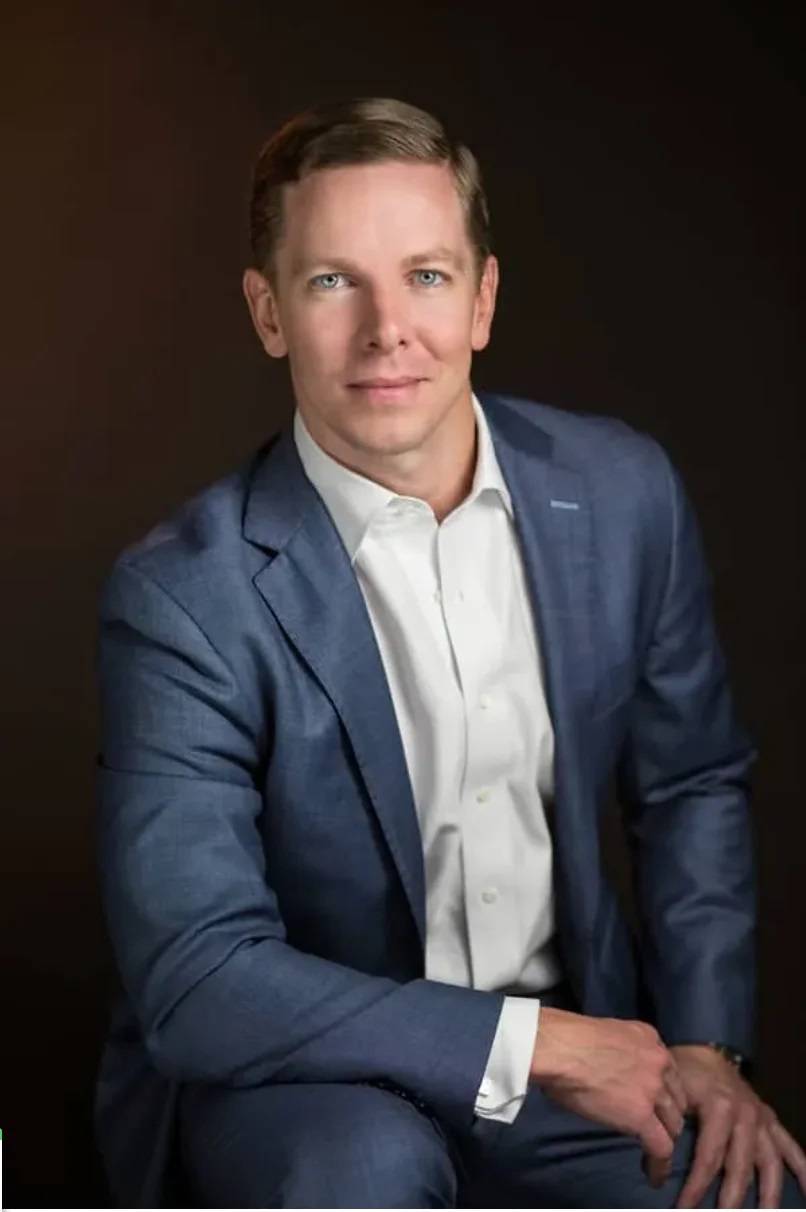
Dealing with the murky policies of insurance companies designed to confuse and prevent you from receiving compensation is our expertise.
15+ years experience as a personal injury attorney.
Specialized in battling insurance companies.
95% settlement rate for clients.
Handled 450+ personal injury cases.
Collected more than $50 million for clients.
450+ people have chosen Andrew as their attorney.
520+ Satisfied Clients
Our latest reviews on Google

Kev Albaugh
7 days ago
After being in a serious car accident, I hired Andrew Pickett and his team in Melbourne to handle my case. From day one, Mr. Pickett treated me with genuine respect, compassion, and professionalism. He took the stress completely off my shoulders so I could focus on recovering. I would also like to recognize Lindsay, Jeremy, Vonda, and Caroline for always keeping me updated throughout the entire process and addressing any questions or concerns I may have had. Thanks to Andrews incredible expertise and relentless advocacy, he secured a phenomenal outcome that exceeded all of my expectations. If you are looking for an honest, hardworking personal injury attorney on the Space Coast who delivers real results, look no further than Andrew Pickett Law. They are the best in the business.

Robbi Sandkulla
9 days ago
When my fiancé was in a serious car accident, we were completely overwhelmed, but Andrew Pickett and his team were an absolute blessing. They stepped in immediately, handled every detail with the insurance companies, and kept us updated every step of the way. Seeing how much stress they lifted off his shoulders was a huge relief. Andrew fought hard and won an amazing outcome for his case. We are so incredibly grateful for this firm's dedication and highly recommend them!

Teresa Wyatt
21 days ago
The Team at Andrew Pickett has been great, so far. Extremely quick, and thorough. Wasted no time, in getting my case started.

Alondra “Alo” Ruiz
1 month ago
Very friendly and helpful. Love that they give back to the community.

Angela Oravits
1 month ago
We truley appreciate the kindness and helping us and many with a back pack. It was great to meet Andrew and Thank him for his kindness.

Jae is bae
1 month ago
That was so sweet of them, giving out free backpacks and supplies for the kids and making it easier for the parents to come up and just grab the backpacks and go to get home to their children. Love this event for people. I hope to see them next year as well.

K SN
1 month ago
⭐⭐⭐⭐⭐ I cannot say enough good things about my experience with Phindile at Andrew Pickett Law. From the moment she answered the phone, she was kind, compassionate, and truly listened to everything I had to say. After spending almost 16 months with another law firm where I felt completely ghosted and struggled with a lack of communication, I was feeling frustrated and unheard. Phindile spent nearly an hour on the phone with me, patiently listening to my concerns, answering my questions, and walking me through the process. She made me feel like my case actually mattered. In that one phone call, I received more communication, care, and reassurance than I had during my entire 16 months with my previous firm. Her professionalism, empathy, and willingness to help made such a stressful situation feel so much easier. If the rest of the team is anything like Phindile, I know I’m in good hands. Thank you for treating me with kindness and making me feel heard. I truly appreciate everything you’ve done.

marianne mattern
1 month ago
Andrew was a very nice person. Unfortunately they did not have shade for the people in the pre register line. Which left people with disabilities and non disabled left in the sun. They did provide little bottles of sunscreen and promo hand fans. Water was provided. Thank you for the kindness.

Rachael Brown
1 month ago
Thanks for your gracious contribution to our community

Jeremiah's Ice of West Melbourne
1 month ago
It was an absolute pleasure to join you this year in project backpack! What a great give-back for our local youth, it was an incredibly smooth event. Great team work!!

Nicole Popun
1 month ago
Thank you for giving back to the community. God bless your family.

Andrew Arnabat
1 month ago
My wife and I got hit with a car accident and the insurance chaos that followed. Tiffany Whitehouse and the Andrew Pickett Law team stepped up. Tiffany was always on the ball and went the extra mile. Vonda, Lindsey, Lauren, and Caroline really cared. They handled everything so we didn’t have to, moved fast, and got us the max they could. No stress. Just results

Joshua Sund
1 month ago
My daughter really enjoyed her backpack everything was very well organized

Audra Forbes
1 month ago
Amazing turnout! Everyone was so helpful, handing out waterbottlesand fans to stave off the scorching heat. I'm glad I stopped by.

Latisha Watkins
2 months ago
It was a pleasure to volunteer with Andrew Pickett Law Firm and his incredible team. I can’t say enough about how amazing his team communicated with me. A wonderful community event. The families that his firm helped at this year’s Back-to-School event was such a rewarding experience. The team was well-organized, welcoming, and made it so easy for me as a volunteer to step right in and make a meaningful impact. Watching the kids get excited about their new backpacks filled with supplies and seeing parents feel supported as the school year begins was the best part of the day. It’s amazing what can happen when a community comes together with a shared goal. I’m so grateful to have been a part of it and definitely look forward to helping out again in the future.

Rahmeik Venable
2 months ago
Wow, any person willing to hold an event to give back is an A1 person to me, the staff was absolutely amazing in organizing, and maintaining a great atmosphere for us all. I'll be looking forward to attending another community event.

Jennifer Cleveland
2 months ago
Lauren and her team are the best! Thank you for all the help, I 10/10 recommended them!

Diondra Harrison
2 months ago
It was a pleasure meeting Mr. Pickett and everyone at the law firm. From the moment I arrived, I was welcomed with kindness, professionalism, and genuine hospitality. Mr. Pickett took the time to personally greet me, listen attentively, and make me feel valued. What impressed me most was his commitment to giving back to the community, especially through initiatives that support local youth, such as the annual back-to-school backpack drive. It’s inspiring to see a law firm that not only provides excellent service but also makes a meaningful impact beyond the office. I am truly grateful to have had the opportunity to meet Mr. Pickett and his incredible team. Thank you all for your dedication, generosity, and the positive difference you continue to make in the community. I highly recommend this firm to anyone looking for a team that genuinely cares.

Ivanova Rodriguez
2 months ago
Great experience, kindness people

andrew rafidi
2 months ago
Project Backpack was a major success! Wonderful community outreach event! Emma Vinson is incredibly kind and helpful!