



Andrew Pickett Law represents individuals and families injured in serious Uber and Lyft accidents in Melbourne, Florida and throughout surrounding Space Coast communities in Brevard County. Rideshare accidents often involve complex insurance coverage and multiple liable parties. Our experienced Melbourne rideshare accident lawyers help injured victims pursue compensation for medical bills, lost income, and other damages after collisions involving Uber or Lyft vehicles.
Uber & Lyft Accident Lawyers Serving Melbourne, Florida
Rideshare services like Uber and Lyft are widely used throughout Melbourne and the surrounding Brevard County area. Accidents involving rideshare drivers frequently occur along busy roadways such as US-1, Wickham Road, Eau Gallie Boulevard, Babcock Street, Palm Bay Road, and Interstate 95, where both local residents and visitors rely on rideshare transportation throughout the Space Coast.

At Andrew Pickett Law, our legal team represents individuals injured in accidents involving Uber and Lyft drivers. Rideshare crashes can involve multiple insurance policies depending on whether the driver was actively transporting a passenger, waiting for a ride request, or driving off-duty. Our firm carefully investigates these cases to determine liability and pursue full compensation for injured victims.
Compensation Available After a Melbourne Rideshare Accident
Victims injured in Uber or Lyft accidents may be entitled to compensation depending on the circumstances of the crash and the available insurance coverage. Our Melbourne injury attorneys help clients pursue compensation for:
- Emergency medical treatment and hospitalization
- Ongoing medical care and rehabilitation
- Lost wages and reduced earning capacity
- Pain and suffering
- Permanent disability or catastrophic injuries
- Wrongful death damages for families who have lost loved ones
Because rideshare companies maintain large insurance policies but often dispute liability, working with an experienced attorney can help ensure that all responsible parties and insurance providers are properly identified.
Serving Rideshare Accident Victims Across Melbourne
Andrew Pickett Law assists victims of Uber and Lyft accidents throughout the greater Melbourne area and nearby communities. Our firm regularly represents individuals injured in collisions involving rideshare vehicles near major intersections, entertainment districts, residential neighborhoods, and busy commuter routes throughout Brevard County.
You can learn more about our full legal services on our Melbourne personal injury lawyers page, which outlines how Andrew Pickett Law assists accident victims throughout Melbourne and Brevard County following serious accidents.
We proudly represent clients across Melbourne and surrounding Space Coast communities including West Melbourne, Indian Harbour Beach, Palm Bay, and other nearby Brevard County neighborhoods.
Melbourne ZIP Codes We Serve
- 32901 – Downtown Melbourne / Crane Creek
- 32903 – Indialantic / Barrier Island
- 32904 – West Melbourne
- 32934 – Wickham Park / North Melbourne
- 32935 – Eau Gallie / Croton Road Corridor
- 32940 – Viera / Suntree Area
More Personal Injury Services in Melbourne
In addition to representing victims of Uber and Lyft accidents, Andrew Pickett Law handles many other types of accident and injury cases throughout Melbourne and Brevard County, including:
- Car Accident Lawyers
- Truck Accident Lawyers
- Motorcycle Accident Lawyers
- Slip and Fall Lawyers
- Dog Bite Injury Lawyers
- Boating Accident Lawyers
- Wrongful Death Lawyers
- Catastrophic Injury Lawyers
Why Clients Choose Andrew Pickett Law
- No legal fees unless we recover compensation
- Direct communication with an experienced rideshare accident attorney
- Strong advocacy against insurance companies and corporate insurers
- Local representation serving Melbourne and Brevard County
Frequently Asked Questions About Melbourne Rideshare Accident Cases
Who is responsible for an Uber or Lyft accident?
Liability in rideshare accidents can depend on whether the driver was actively transporting a passenger, waiting for a ride request, or driving off the app. Insurance coverage may involve the driver’s personal policy as well as Uber or Lyft’s commercial insurance policies.
What should I do after an Uber or Lyft accident in Melbourne?
After a rideshare accident in Melbourne, you should seek medical attention, report the accident to law enforcement, and document the scene if possible. Because multiple insurance companies may be involved, it is often helpful to speak with an attorney before discussing the crash with insurers.
Can I file a claim if I was a passenger in an Uber or Lyft?
Yes. Passengers injured in rideshare accidents may be able to pursue compensation through the rideshare company’s insurance coverage as well as other involved drivers depending on the circumstances of the crash.
Map of Melbourne, Florida
Free Case Evaluation
Please describe what happened. We will review your case for free and work to secure the highest legal compensation possible.
5000+ Cases Reviewed
Sebastian Martinez
$200,000 Verdict
"Our family is flat out impressed with the Andrew Pickett Law firm technical mastery, they never wavered with kind direction as our recovery prolonged during the COVID-19, and they delivered the maximum settlement possible."
how the claim process works
Step 2
We take action
Our dedicated team gets to work investigating your claim.
Step 3
We fight for you
If we take on the case, our team fights to get you the maximum compensation legally possible.
Free Case Evaluation
Please describe what happened. We will review your case for free and work to secure the highest legal compensation possible.
5000+ Cases Reviewed
Beatrice Maxime
$1,000,000 Verdict
"I am so very grateful to have had this firm represent me. I was in a car accident a few years ago, but the car insurance company of the person who totaled my car would not replace my car, nor pay for my medical bills. We ended up going to court and because of Mr. Pickett, we won the case. Thank you so much for all you did for us!!!!"
Meet Andrew Pickett
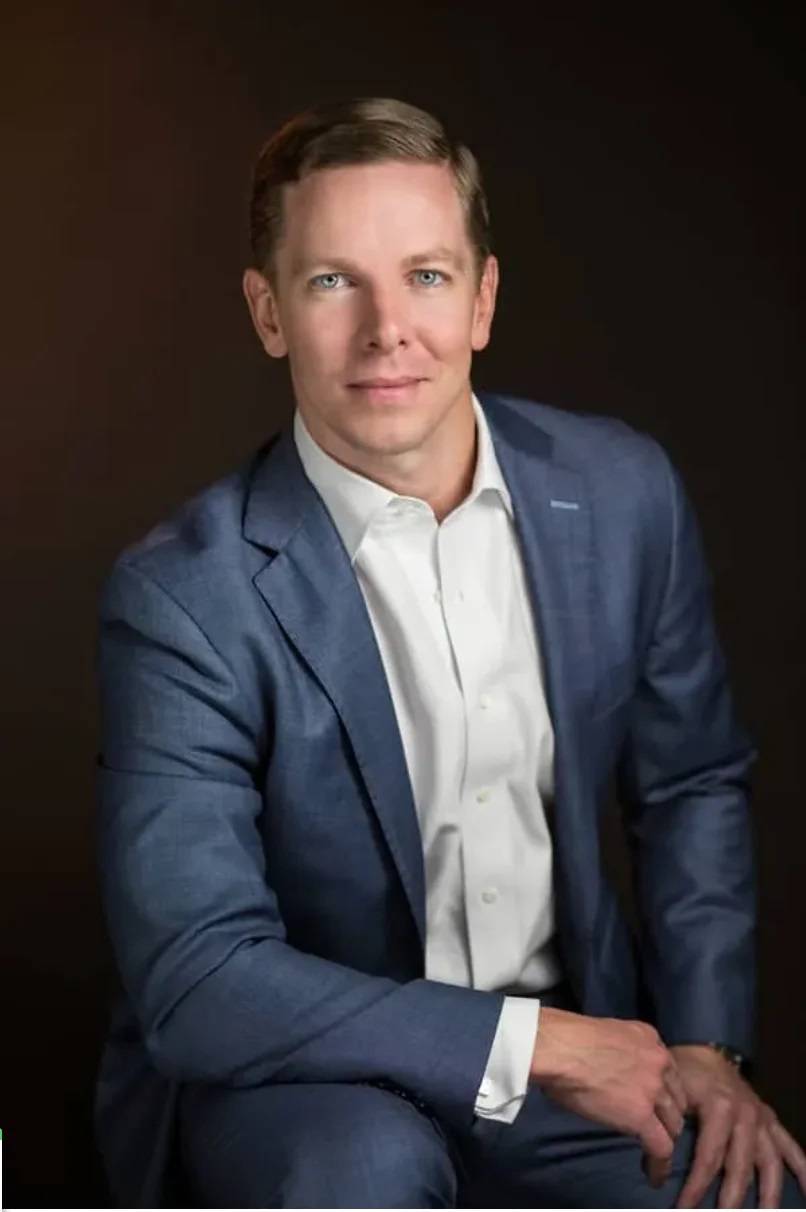
Dealing with the murky policies of insurance companies designed to confuse and prevent you from receiving compensation is our expertise.
15+ years experience as a personal injury attorney.
Specialized in battling insurance companies.
95% settlement rate for clients.
Handled 500+ personal injury cases.
Collected more than $38 million for clients.
500+ people have chosen Andrew as their attorney.
520+ Satisfied Clients
Our latest reviews on Google

Jennifer Cleveland
17 days ago
Lauren and her team are the best! Thank you for all the help, I 10/10 recommended them!

Ivanova Rodriguez
20 days ago
Great experience, kindness people

andrew rafidi
20 days ago
Project Backpack was a major success! Wonderful community outreach event! Emma Vinson is incredibly kind and helpful!

michele stanevich
22 days ago
What a wonderful event. Very well organized. He introduced himself to everyone. I will keep him in mind if and when I need a lawyer.

Lisa & Andrew Arnabat
24 days ago
Our team (attorney Tiffany Whitehouse, paralegals Vonda and Lindsey, our legal assistant Lauren, and Caroline) at Andrew Pickett Law has been absolutely amazing. They have been communicative from start to finish and have gone above and beyond in all aspects. They treated us like people, not like another number. Thank you for all of your help & guidance throughout what would have been an otherwise overwhelming and confusing process.

Thomas Preston
1 month ago
Andrew Pickett law for is a real good law and I will recommend him to need a real good lawyer.Thank you very much from my case.My name is Thomas Preston.Thank you

Close Family
1 month ago
Andrew Pickett and his team were very professional and supportave throughout my whole case. They took care of all the bills and successfully negotiated with the insurance companies. They were able to get 850,000 towards all the medical bills. I would definitelly recommend them.

Orestes Olmo
1 month ago
(Translated by Google) Excellent service. I was recommended by my daughter-in-law, and the beginning has been wonderful. They asked all the necessary questions and were incredibly quick at the start of the process. I am very grateful for their attention. (Original) Excelente trato ,fui recomendado por mi nuera y la verdad el inicio a sido maravilloso, hicieron las preguntas necesarias y una rapidez increíble en el comienzo del proceso , les agradezco mucho esta atención

Caitlin Cheatham
2 months ago
Amazing experience, they got me the best settlement I could’ve asked for. Always responded quickly and kept me in the loop! Highly recommend

Heidi Bushing
2 months ago
The team at Andrew Pickett is amazing. They helped me with two accidents and have been very attentive and communicative.

pebbs jai
2 months ago
I highly recommend this law office. Special thank you to Allison W. for answering all my questions and concerns. All staff were very helpful, professional and pleasant. They also give back to the community so if you are looking for a well knowledgeable law firm this is it!! Mr Andrew Pickett I appreciate you.

Krissy Green
2 months ago
Thank you all for your support I appreciate so much you guys are awesome

Stephanie Mortier
2 months ago
I absolutely love this law firm , down to the absolute best communication, and the follow up calls with details . Thank you guys !

Kimmy Ware-Simmons
3 months ago
A special thanks to this wonderful team! I’ve been truly blessed to be represented by Andrew Pickett Law. All my questions have been attentively addressed and explained perfectly in a way I am fully able to understand. This Lawfirm treats everyone with respect and like family. 10/10 review and definitely recommend!
Stephanie Mortier
3 months ago
Thank you , she was very helpful and friendly .

Steve Ryland
3 months ago
Andrew and his team provided outstanding legal representation with a high level of professionalism, responsiveness, and attention to detail. He communicated clearly throughout the process and delivered a result we were very satisfied with. I truly appreciate his expertise and would highly recommend him to anyone in need of strong, reliable legal counsel.

christian leon
3 months ago
Working with Tiffany Whitehouse, Vonda, and Lauren at Andrew Pickett Law Firm was an amazing experience for me. They were really professional, attentive, and committed to my case from beginning to end. Their diligence and genuine concern for achieving the greatest result for me were what truly stood out. I genuinely felt like I was in good hands the entire time because of their dedication and teamwork, which made a difficult situation much easier to face. I got the best outcomes I could have imagined because of their hard work and knowledge. I am incredibly appreciative and would heartily suggest their team to anyone in need of legal assistance.

Erin Mclachlan
3 months ago
My experience is based on 2 settlements so far, still pending another case and 1 of the already settled cases M&M took but didn't want to keep after stringing me along for 4 months. So just choose Andrew Pickett Law, don't waste time with another injury attorney. Tiffany Whitehouse is great, she was confident in my cases, kept me informed and very accommodating. We didn't even have to go to court for those 2 cases. And because I had already trusted them with 2 cases, I also gave them a third case which settled quickly. My only regret, I just wish I had known about them sooner. Thanks for everything! I have already recommended my friends and clients and will continue.

Carlos Mangual
3 months ago
Tiffany Whitehouse has been a tremendous help to me through out my whole process majorly because of her communication she’s always one phone call or text away and really gives me comfort to have any of my questions or worries answered so quickly

Hannah Dorris
3 months ago
If I could give more than 5 stars I would. I cannot say enough amazing things about Tiffany Whitehouse and her entire team. From the very beginning, I felt genuinely cared for, supported, and prioritized throughout my entire experience. Tiffany is an absolute powerhouse her knowledge, confidence, and attention to detail truly set her apart from any attorney I’ve ever worked with. She knows her craft inside and out, and you can feel that level of expertise in every interaction. What really stood out to me was how responsive and efficient everyone was. Communication was always clear and timely, and I was never left wondering about the status of my case. Tiffany and her paralegal, Vonda, worked seamlessly together and made everything feel organized and stress-free. Vonda was incredibly kind, attentive, and always made sure I had what I needed. They both went above and beyond in ways that made a stressful situation feel manageable. I also want to recognize the admin team, especially Lauren and Hailey. They were so welcoming, helpful, and professional every time I interacted with them. It’s clear that this entire office operates with a high level of care, compassion, and dedication to their clients. Another thing that truly stood out to me was how thorough and patient everyone was when answering my questions. No matter how many I had, they took the time to explain everything in detail and made sure I fully understood even if it took 20 minutes. That level of patience and dedication meant so much and made me feel confident every step of the way. What meant the most to me is that they didn’t treat me like just another case they truly cared about me as a person. They checked in regularly, made sure I felt supported, and consistently went the extra mile. That kind of genuine compassion is rare to find. If you’re looking for a legal team that is not only highly skilled but also truly invested in you, I wholeheartedly recommend Andrew Pickett Law. They exceeded all of my expectations and I am beyond grateful for everything they’ve done for me. Thank you all SO incredibly much!