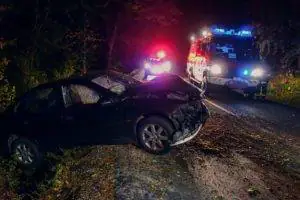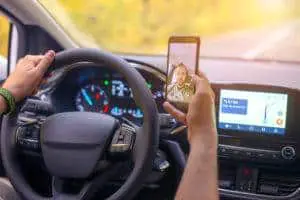

 Multi-vehicle accidents are some of the most chaotic and legally complex crashes on Florida roads. Unlike a simple two-car collision, these incidents often involve multiple drivers, conflicting accounts, and a chain reaction of events that can make it difficult to determine exactly what happened. In busy areas across Florida, especially on high-traffic highways like I-95 or intersections near major cities, these accidents are unfortunately common.
At Andrew Pickett Law, our team understands how overwhelming these situations can be. As an experienced Florida personal injury law firm, we help accident victims untangle complicated liability issues and fight for the compensation they deserve. If you’ve been involved in a multi-car crash, working with a skilled car accident lawyer can make a critical difference in protecting your rights.
The Role of Evidence in Determining Fault
When several vehicles are involved in a crash, determining fault requires more than just taking drivers at their word. Insurance companies and attorneys rely heavily on evidence to reconstruct the sequence of events and identify negligence.
A strong legal case is built by carefully analyzing multiple sources of proof, each contributing a piece to the overall picture.
Police Reports and Initial Findings
Law enforcement officers who respond to the scene document key details that can influence how fault is evaluated. While they do not make final legal determinations, their observations often carry weight.
These reports may include:
- Diagrams illustrating how the crash occurred
- Notes on road conditions, weather, and visibility
- Any traffic violations or citations issued
- Contact information for witnesses
- The officer’s initial impression of contributing factors
Although not definitive, this report often serves as the foundation for further investigation.
Eyewitness Testimony
Neutral third-party witnesses can be incredibly valuable in multi-vehicle accident cases. Because they are not directly involved, their accounts are often seen as more objective.
They may provide insight into:
- Which vehicle triggered the initial impact
- Whether a driver was speeding, distracted, or reckless
- Traffic signal behavior at the time of the crash
These details can either confirm or contradict the statements made by the drivers involved.
Accident Reconstruction Analysis
In more serious or disputed cases, attorneys may bring in accident reconstruction experts. These professionals use scientific methods to analyze how the collision unfolded.
They typically evaluate:
- Skid marks and braking patterns
- Vehicle damage and impact angles
- Road and weather conditions
- Estimated speeds at the time of impact
Using this data, they can create detailed reports or visual simulations that clearly demonstrate how fault should be distributed among the drivers.
Video and Digital Evidence
Modern technology often plays a crucial role in proving liability. Dashcams, traffic cameras, and nearby surveillance systems can provide real-time, unbiased footage of the accident.
This type of evidence may reveal:
- Sudden lane changes
- Failure to yield
- Tailgating or aggressive driving
Because it captures events as they happen, video footage can be one of the most persuasive forms of evidence.
What You Can Do to Strengthen Your Case
While your attorney will handle the investigation, your actions immediately after the accident can significantly impact your case.
If possible, gather:
- Photos and videos from the scene
- Contact details of witnesses
- Images of vehicle damage
- Documentation of your injuries
Reaching out to an attorney early ensures that critical evidence is preserved before it disappears or becomes harder to obtain.
Common Multi-Vehicle Accident Scenarios
Multi-car crashes often follow recognizable patterns, but each situation still requires detailed analysis.
A chain-reaction rear-end collision is one of the most frequent scenarios. While the last driver is often assumed to be at fault, this is not always accurate, earlier impacts or sudden stops may have contributed to the sequence.
Left-turn accidents can also trigger multi-vehicle crashes. Although the turning driver is commonly blamed, other factors, such as speeding oncoming traffic, may shift liability.
Unsafe lane changes are another major cause. A driver who abruptly merges without signaling can force others to react suddenly, leading to secondary collisions involving multiple vehicles.
Because these situations are rarely straightforward, a thorough investigation is essential before assigning blame.
Lawyer’s Insight: What to Say (and Not Say) After a Crash
After a multi-vehicle accident, it’s natural to want to explain what happened, but this can backfire.
Pro Tip:
Stick strictly to the facts when speaking with insurance companies. Avoid:
- Admitting fault
- Speculating about what happened
- Blaming other drivers
Even a simple statement can be used against you later. Let an experienced attorney handle communications to protect your claim.
Can You Still Recover Compensation if You’re Partially at Fault?
Yes. Florida follows a modified comparative negligence rule, meaning you can still recover damages as long as you are not more than 50% responsible for the accident.
However, your compensation will be reduced based on your share of fault. For example, if you are found 20% responsible, your total compensation would be reduced by 20%.
This makes it even more important to work with a legal team that can accurately present the facts and minimize your level of liability.
Protect Your Rights After a Multi-Car Accident
In complex accidents involving multiple drivers, responsibility is often disputed and without proper representation, you could be unfairly blamed.
At Andrew Pickett Law, we are committed to standing up for accident victims across Florida. Our team has recovered significant settlements, including six- and seven-figure results, by building strong, evidence-based cases.
If you’ve been injured in a multi-vehicle crash, don’t navigate the process alone. Speaking with an experienced Florida personal injury lawyer can help you understand your options and pursue the compensation you deserve.
Contact us today for a free case evaluation, available 24/7, and take the first step toward protecting your future.
FAQ: How Is Fault Determined in a Multi-Vehicle Car Accident?
How is pain and suffering calculated in a car accident case?
Pain and suffering damages are typically based on the severity of your injuries, the impact on your daily life, and the length of your recovery. Insurance companies may use formulas or multipliers, but an attorney can help ensure your claim reflects the full extent of your losses.
What is the average personal injury settlement in Florida?
There is no true “average,” as settlements vary widely depending on factors like injury severity, liability, and insurance coverage. Minor cases may settle for thousands, while serious cases can reach six or seven figures.
How long does a personal injury claim take?
Some claims resolve in a few months, while more complex cases, especially those involving multiple vehicles, can take a year or longer. Delays often depend on medical treatment timelines and negotiations with insurance companies.
Need free legal help in Florida?
We specialize in personal injury claims.