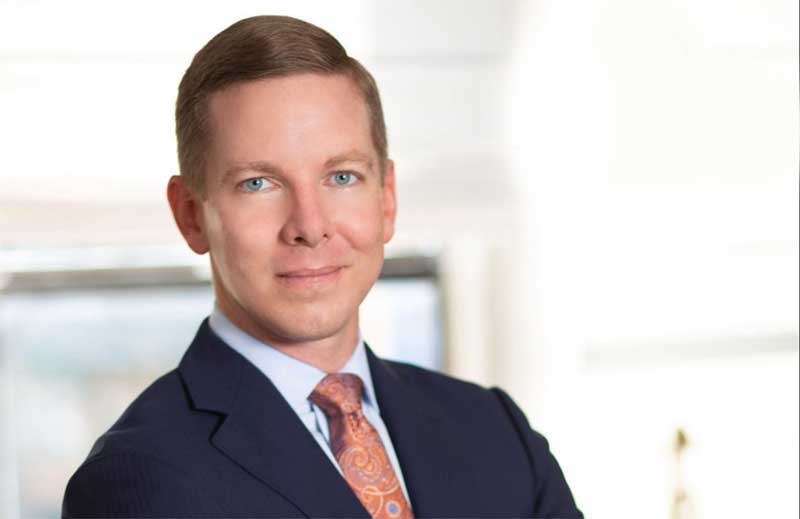

Clients come to trial lawyers for calm judgment and dependable results when a case matters most. In a recent podcast appearance, Andrew Pickett described how those outcomes are built, not from tricks, but from a consistent approach to craft. He put it plainly: “There is a trend, especially among younger lawyers, of wanting to share information and being transparent with how they do things so they can make other people better.” That sentence captures his core point: transparency is not vanity, it is a practical way to surface the thinking behind courtroom choices so teams and clients benefit.

Need free legal help in Florida?
We specialize in personal injury claims.
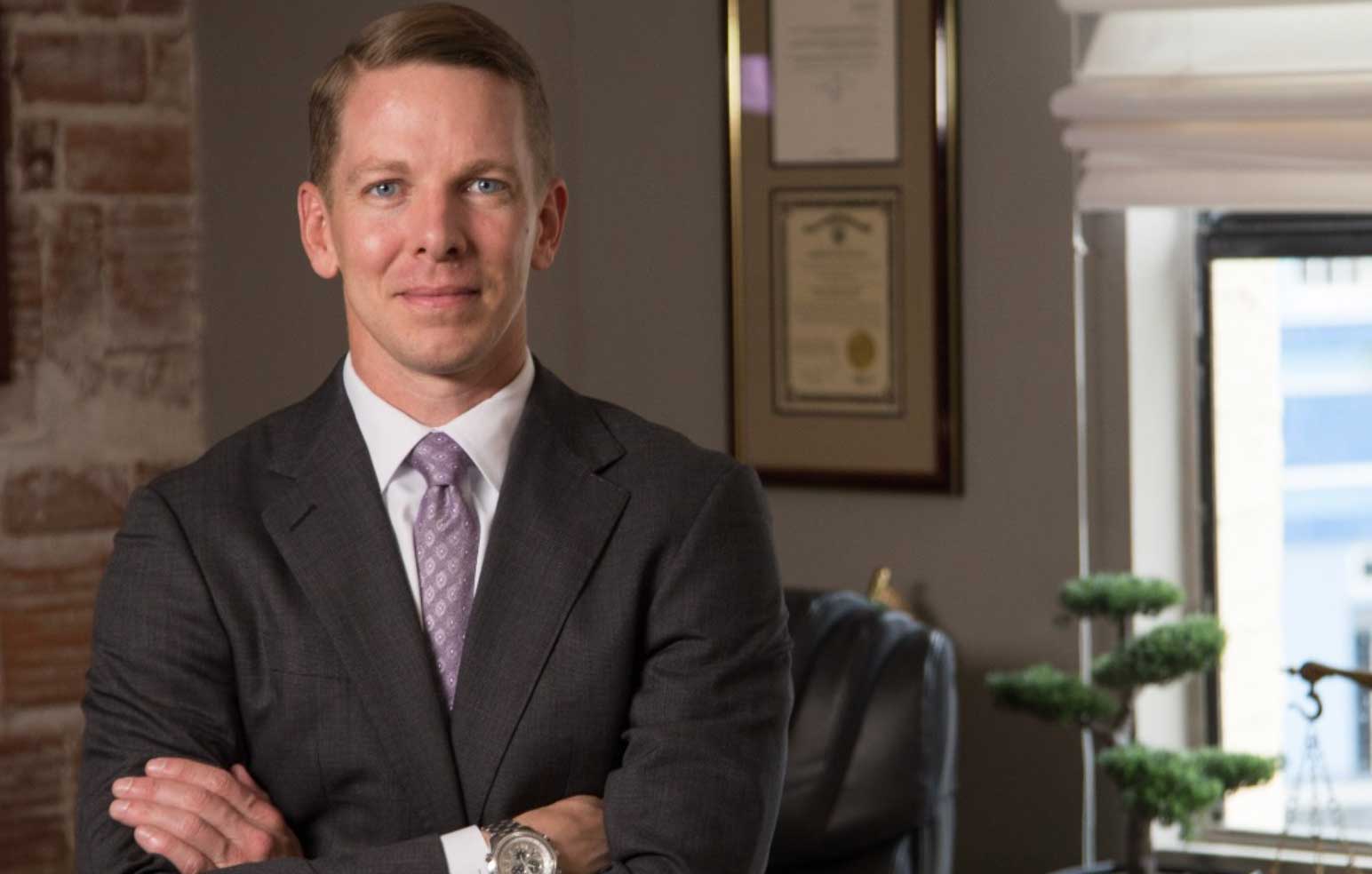
Andrew’s practice of disciplined curiosity shows how this works in real life. He recalls, “When I was a prosecutor, I would ask the judges who were the best trial attorneys around. They would tell me, and then I would go watch their trials.” That simple habit points to the same idea. Excellence is visible. By studying the best, a lawyer learns the micro-skills that matter, the pacing and the phrasing that move jurors, and the small choices that decide credibility. Observation turns examples into repeatable techniques that inform every decision on a case.

For clients, those principles translate into three plain benefits. First, clearer courtroom decisions. When an attorney can explain the logic behind a tactical move, the team reduces guesswork and makes choices that directly serve the story a jury must accept. Second, fewer surprises. Teams that rehearse observable behaviors and test them before trial create predictable performance on the day of the verdict, which improves settlement leverage and trial outcomes. Third, communication that reassures clients. Andrew stresses making complex trial choices understandable so clients know the trade-offs and the path forward, rather than being surprised at a critical moment.
What this looks like in practice is quietly specific. In pretrial preparation, Andrew focuses on the storytelling choices jurors need: which facts to foreground, how to frame a witness so jurors empathize, and how to sequence evidence so that the argument unfolds with logic and rhythm. In trial, he watches for the moments of clarity that win attention: a single well-timed demonstrative, a short question that reframes a witness’s story, a calm exchange that turns distraction into contrast. Those are the moves jurors remember, and they are the moves Andrew drills until they feel inevitable.
Need free legal help in Florida?
We specialize in personal injury claims.
There is also a human element to Andrew’s approach that clients notice. Teaching and explaining are not academic exercises. They are tools for refining judgment. When you must put a method into words, you expose assumptions and test the idea under pressure. That process hardens skill, so a firm’s advocacy is less dependent on one person’s intuition and more on shared, repeatable choices.
If you watch the episode with a pen, pause at the moments when an attorney chooses clarity over cleverness, and write one sentence about why the choice works. Those sentences, repeated and refined, become the firm’s language for trial performance. For clients, that means counsel who prepare carefully, make calm decisions in court, and explain strategy in a way that builds confidence.
Looking for Personal Injury Representation?
If you are looking for trial counsel who emphasize clarity, disciplined preparation, and steady courtroom performance, Andrew Pickett Law represents clients with those principles at the center. To discuss a matter or arrange representation, contact us at:
https://andrewpickettlaw.com/contact
Listen or watch
Andrew’s full conversation is available online: https://www.youtube.com/watch?v=JtZevG877KI
Or, you can watch on your preferred listening platform: https://pod.link/1695586507/episode/ZjczNGFlZTYtZjRmMy00ZDNjLWI1MGItZDllN2U0NGRjY2Fk
Need free legal help in Florida?
We specialize in personal injury claims.