



Andrew Pickett Law is a top Titusville motorcycle accident law firm that handles crash cases throughout Titusville and North Brevard County for victims who need help getting medical treatment and financial recovery. Founding attorney Andrew Pickett grew up in Brevard County, so the roads in these cases are roads he has driven his whole life.
What You Need To Know
- A motorcycle claim has more moving parts than a car claim, and the insurance company settles the biggest parts in the first few weeks. A lawyer who handles motorcycle claims every day keeps the moving parts from being decided against you.
- You can use every line here without hiring anybody. We’d rather you knew where you stand either way.
- The car insurance that pays your first medical bills after a crash doesn’t follow you onto a bike. You start a motorcycle claim with no automatic medical coverage at all, whoever caused the crash.
- You’ve got two years from the crash to file a lawsuit, not the four years many websites still say.
- You didn’t lose your case by riding without a helmet. The insurer has to put an expert on the stand to prove a helmet would have changed your injuries.
- You’ll usually collect the largest check from your own policy. A bike that policy never lists can shut you out of the largest check altogether.
- Check tonight whether every auto policy in your household lists your motorcycle.
- Andrew Pickett prosecuted cases in the same circuit that would try your case, and he takes injury cases to verdict before Brevard juries.
- Your gear. Keep whatever you were wearing, unwashed and unrepaired. A helmet that took the impact, torn leather, even a cracked visor show the forces in the crash. They answer arguments that memory cannot.
- The crash report. The officer’s report stays confidential for its first 60 days to almost everyone. The people involved, their lawyers and their insurers can get it right away.10 You can order your copy now, and the Titusville personal injury page explains which agency wrote it.
- The school zone cameras. Titusville runs speed cameras in ten school zones, and lawyers can use the camera recordings in civil cases. The city also destroys them on a schedule.11 Footage that would settle a fault fight can disappear before the fight starts. You or your lawyer have to ask for it in time.
If you went down on a bike here this week, you have probably already been through some of this. The bike left the scene on a flatbed headed somewhere you did not pick. The hospital sent you home with paperwork that never says who pays for any of it. Someone from the other driver’s insurance company has called and sounded sure of a version of events you do not recognize.
If your helmet stayed on the shelf, you have been wondering ever since whether that ended your case. The emergency room bill is real, and the insurance you thought you had seems built for a different kind of crash.
Start with your own policy, because the biggest check in a motorcycle case usually comes from there. Whether you need a lawyer, the check you shouldn’t cash yet, and the fee come next. The deadline, the coverage layers and the statute citations sit further down.
The Biggest Check Is Probably on Your Own Policy
The driver who hit you may legally carry nothing that pays for your injuries, because Florida doesn’t make drivers buy coverage for the harm they cause. Most riders learn the rule the hard way, after a crash.
Your own policy usually holds the real money. Insurers call the coverage that pays when the other driver has none uninsured motorist coverage, and a rider who carries it collects from it.
Check tonight whether every auto policy in your household lists your motorcycle. A bike you own and never listed can shut you out of the coverage you’ve been paying for.
You may already own a second layer and not know it. Ask your agent for the declarations page on every vehicle in the house, and read the uninsured motorist line on each declarations page.
Motorcycle Claims That Don’t Need a Lawyer, and the Ones That Do
Some motorcycle claims settle without a lawyer. If the driver admitted fault, the driver’s policy is large enough to cover your bills, and you healed, take the offer and keep every dollar.
Most riders get a harder version. No automatic insurance pays your first medical bills after a motorcycle crash, so the hospital bill lands on you while everyone argues. The driver may carry nothing. Your own uninsured motorist coverage may turn out to be the whole case.
You don’t have to work out which version you’ve got. Call us, read us the declarations page, and we’ll tell you where the money in your case actually sits.
The call and the review cost nothing, and nobody signs anything to have the conversation. Even if you settle the claim yourself next week, you settle it knowing which policy owed you.
Don’t Cash the Other Driver’s Check Yet
The other driver’s insurer may offer you a policy-limit check early, and an early check looks like good news. Cash the check too early and you can cancel your own uninsured motorist coverage.
Your own insurer has a right to be told before you settle with the driver who hit you. Settle first and cash the check, and your insurer can refuse the larger claim behind it.
Hold the check instead, and tell your own insurer in writing what you’ve been offered. A rider who gives written notice keeps both sources of money alive.
A small policy on the other driver isn’t the end of the money either. Ask who else may be responsible before anybody signs a release.
No Motorcycle Accident Lawyer’s Fee Unless We Recover for You
Andrew Pickett Law works on a contingency fee only. We take a percentage of whatever we recover for you, and we charge no fee at all if we recover nothing. You’ll never write us a check to get started, and you’ll never see an hourly bill.
Florida Bar rule caps that percentage on a sliding scale, so no firm sets its own ceiling. The cap steps up once the other side files its written response to the lawsuit, called an answer. The same settlement therefore leaves you a different amount before that answer than after it.
We back the Bar’s cap with a commitment of our own. We work your case to its maximum value, and you’re out of pocket for nothing while the case runs. We pay the filing fees, we order the medical records, and we hire the experts, and no bill reaches you while you’re still healing. Ask any firm you talk to, including us, who pays the advanced costs if you lose. Firms answer the question differently, so get the answer in writing before you sign anything.
Insurers Look Twice at a File Held by a Trial Lawyer
Andrew spent years prosecuting cases in the Eighteenth Judicial Circuit before he represented injured people, and Brevard judges try Titusville injury cases in the same circuit. He trained at the Trial Lawyers College, and he tries cases to verdict. An insurance reserve set on an assumption gets another look when the file belongs to a lawyer who puts cases in front of juries.
This firm also went looking for the motorcycle numbers itself. Andrew Pickett Law studied ten years of the federal fatal-crash database, called the Fatality Analysis Reporting System. The study covered 2015 through 2024 and ranked Florida’s counties by motorcyclist deaths per resident. Volusia County came out worst in the state, with 6.22 motorcyclist deaths per 10,000 residents across 367 deaths, and Brevard County ranked ninth.12 WFTV and AOL picked the study up. The worst county in the state and the ninth worst are the two counties a Titusville rider moves between all season.
The ranking answers a doubt injured riders bring to a claim. They wonder whether their case is odd, and therefore fragile. Motorcycle cases are not odd in this county. They arrive at the ninth-highest rate in the state, and the insurers on the other side handle them in volume. The arguments on this page are standard equipment, not something invented for your file.
Clients tell us the same thing in their reviews: they knew what was happening while it happened. We’ll tell you the next step and roughly when it comes, and when something changes, we’ll call you about the change.
Read Us Your Own Policy and We’ll Find the Coverage
A first call is a conversation, not a commitment. You describe the crash and read us what your own policy says, and we’ll tell you which coverage your case is really built on.
Bring the crash report number if you have it, and the declarations page from your own auto policy. You can call with no paperwork at all.
If Andrew Pickett Law takes your case, our fee comes out of a recovery and nothing comes out of your pocket while the case runs. If the claim doesn’t need a lawyer, we’ll tell you and you can take the offer.
You Have Two Years to File, and Most Sites Still Say Four
A rider who plans around four years and calls a lawyer in month 30 has no case left to bring. You have two years from a Titusville motorcycle crash to file a lawsuit over it.1 The deadline used to be four years, and Florida shortened it in March 2023. Motorcycle websites still publish the old number.
When a crash takes a life, the two years run from the date of death instead of the date of the crash.1 Several shorter clocks run inside those two years, and the sections below name each one.
take action / Step 3 We fight for you. Same block used on /melbourne/ and /titusville/.]
Nobody Automatically Pays Your Medical Bills After a Motorcycle Crash
The medical bills from a motorcycle crash arrive with no insurance behind them. After a car crash, Florida pays the first $10,000 of your medical bills through the car’s own policy. That money comes before anyone argues about fault. The coverage that does it is called personal injury protection, or PIP for short.
A motorcycle rider gets no PIP at all. The law that creates PIP defines a motor vehicle as a self-propelled vehicle with four or more wheels.2 A motorcycle is not shut out by an exclusion a lawyer could argue around. For PIP purposes, a bike sits outside the definition itself.
Owning the bike does not create the missing coverage either. Nobody has to buy PIP to register a motorcycle, because the rule reaches only the vehicles inside that four-wheel definition.3 The gap sits in the law itself, not in your policy.
Riders lose more money to a single wrong assumption than to anything else on this page. Most riders believe the PIP they pay for on the family car follows them onto the bike. It does not.2 Your car’s PIP pays for four-wheeled crashes only. A motorcycle crash starts at zero dollars of automatic medical coverage, and everything else about the money starts from that zero.
Your health insurance can pay the hospital, and part of it comes back at the end
Most riders put the bill on their own health insurance, exactly as if the injury had happened any other way. Using it is normal and expected. Health plans do hold a repayment right against your eventual settlement, so the plan takes some of its money back at the end. If Medicaid paid, state law gives Medicaid that repayment right.4 You or your lawyer negotiate that repayment when the case resolves, not now.
You may already own a second layer of coverage and not know it
Some riders are carrying a second route to the bills without knowing it. Motorcycle policies sell an optional add-on that pays medical bills up to its limit, with no fault fight attached. The add-on is called medical payments coverage, or MedPay. The summary sheet at the front of your policy, called the declarations page, says on one line whether you bought it. Checking takes less time than reading this section.
A doctor who treats you now and bills the settlement later changes what a jury sees
When neither health coverage nor MedPay exists, some doctors will treat you now and collect from the settlement later. The written deal behind that is called a letter of protection. It solves the treatment problem and creates an evidence problem. Under a 2023 law, the jury hears what was actually paid for your care rather than what was billed. Treatment under a letter of protection has to be disclosed to the jury, along with whether you were referred to that doctor.5 The full billed-versus-paid rule lives on the Titusville page. A treatment choice you make this month decides part of what a jury sees years later.
A hospital can also take a piece of the settlement itself. A Brevard hospital can file papers with the Clerk of the Circuit Court within days of your discharge. Doing that gives it a claim on your settlement.6 The Titusville personal injury page explains how to check for one before anything gets signed.
The Biggest Check in Your Case Is Probably on Your Own Policy
The driver who hit you may legally carry nothing that pays for your injuries. Florida does not make drivers buy the coverage that pays for the harm they do to other people. That coverage is called bodily injury liability.7 The Titusville personal injury page covers that hole in the law in full. You fill that hole with coverage of your own.
The coverage that fills the hole usually sits on the rider’s own policy. It is called uninsured motorist coverage, or UM. UM stands in for the insurance the other driver should have carried. It pays what that missing coverage would have paid, up to the limit you bought.8 In a serious motorcycle case, the other driver’s policy is often $10,000 or nothing at all. The UM claim ends up being the largest number on the table more often than not.
A bike you own but never listed may have no coverage at all
Riders with UM on a car or truck policy tend to assume it travels with them. The policy’s own words decide whether it does. Many auto policies exclude injuries you suffer while riding a vehicle you own that is not listed on that policy.8 Insurers call this the owned-vehicle exclusion. It exists to stop a household from insuring one cheap sedan and covering its motorcycle for free.
As a working rule, UM on a car or truck pays nothing for a crash on a bike you own but never listed. UM written on the motorcycle policy itself is the version built for this exact problem.
The exclusion is a thing to check tonight rather than mid-claim. Pull the declarations page of every auto policy in your household and look for the motorcycle by year and model. If it appears nowhere, ask your agent in writing whether your UM reaches it. The paperwork settles where your case’s money comes from in about ten minutes.
Cashing the other driver’s check too early can cancel your own coverage
Suppose the other driver’s insurer offers its full $10,000 in the first month. Taking that check without telling your own UM insurer first can wreck the bigger claim. You owe your UM insurer written notice and 30 days before you settle with the at-fault driver.8 It uses that time to decide whether to protect its own rights against the driver. Settling without the notice lets the UM insurer treat its coverage as gone, which turns the case’s biggest asset into a $10,000 check.
A small policy is not always the end of the money
A $10,000 policy is not always all the money there is. When an insurer fails to settle a claim it should settle, Florida law provides a formal way to turn up the pressure. The tool is a notice filed with the state, called a civil remedy notice. It gives the insurer exactly 60 days to fix the failure the notice describes.9 That 60-day clock is what moves a small-policy case when polite phone calls have not.
The Proof in a Motorcycle Case Starts Disappearing This Week
Some of the strongest evidence in your case is within reach right now, and it does not stay there. A hospital or a tow yard throws out your gear. Cameras record over old video, and a shop repairs the bike or sells it for salvage. Nobody is doing anything wrong. The people holding those records have no duty to keep them for you and no way of knowing you exist. Below is what exists today, who holds it, and how long you have.
The insurance company already put a number on your file
Evidence is not the only thing moving while you heal. Early in your claim, the company assigned your file an internal number, called the reserve. The reserve is what the company expects to pay. The company chose it before your diagnosis settled and before any expert had spoken.
If you rode without a helmet, the company set that number low on one assumption. The company assumes the argument that a helmet would have prevented your injuries will win, so the payout will shrink. That argument goes at the size of the damages rather than at who caused the crash. Case law gives it a name, the helmet defense.
A number set on an assumption moves when the assumption meets assembled proof. Here the proof means imaging, the treating doctors’ records, and expert work on what a helmet would and would not have changed. A file where that proof never gets assembled settles at the number the assumption produced.
Frequently Asked Questions About Motorcycle Accident Claims
I wasn’t wearing a helmet. Do I still have a case?
You still have a case if someone else caused the crash. The missing helmet feeds an argument about how much money you get, not about whether you have a case at all. To win the helmet defense, the insurer cannot simply point at your bare head. It has to prove, through expert testimony, that a helmet would have prevented or reduced your specific injuries. Florida courts have turned the defense away where that proof failed.13 Treat the helmet as a fight inside the case, never as a verdict on it.
Is it legal to ride without a helmet here?
A rider over 21 may ride without a helmet, but only on one condition. Other websites rarely quote the condition in full. The rider has to be covered by insurance paying at least $10,000 in medical benefits for injuries from a motorcycle crash.14 The age is only half the rule. You must actually hold that coverage, so age alone never made a bare head legal.
Eye protection is a separate requirement, and the statute contains no exception for a bike with a windshield. The section lifts entirely for a rider inside an enclosed cab, and for a rider 16 or older on a machine at or under 50 cc, or rated at no more than two brake horsepower, that cannot exceed 30 miles an hour on level ground.14 Pages that say a windshield excuses eye protection are describing some other state’s law.
Will the insurance company blame me for my own crash?
Expect an argument that pushes some share of the crash onto you. The shares control everything. A jury splits fault here into percentages, and a rider over 50 percent at fault recovers nothing at all.15 The Titusville personal injury page explains the whole rule. Insurers aim a set of arguments specifically at riders to push that percentage up.
Riding beside another bike creates one of those arguments, through a statute most riders only half know. Florida permits motorcycles to ride two abreast in a lane, and no more than two. The same statute says a motorcycle’s right to the full use of its lane does not apply while riding two abreast.16 Insurers building a lane-position argument know the forfeiture half. Riders were usually only ever told the permission half. In a sideswipe or merge case, the forfeiture half becomes the whole argument.
What if the road itself caused the crash?
A pavement edge, a spread of loose gravel or a mistimed signal barely registers inside a car and can put a motorcycle on the ground. A crash like that supports a claim against whichever government maintains the road. The claim runs on special rails. You must present a formal written claim to the agency that maintains the road before you can sue. If that road belongs to the state, and US 1 and the numbered state roads here do, the same written claim also goes to the Department of Financial Services. A claim against a city or a county goes to the agency alone. Florida caps a government’s payout at $200,000 per person and $300,000 per incident.17 You have three years to deliver that claim and four years to file suit, but the agency gets six months to answer before its silence counts as a denial, so a road case still needs attention early.
Which government owns which road is its own trap. US 1 and the numbered state roads through Titusville belong to the state’s transportation department, not the City.18 The Titusville personal injury page routes a complaint about any given street to the right agency.
The region’s own planners have already written down where riders get hurt here. The Space Coast Transportation Planning Organization published a Vision Zero plan in 2024, built on crash data from 2018 through 2022. It ranks US 1 at Harrison Street as the number-one motorcycle intersection in Brevard County, with a severity score of 306. It ranks US 1 from Kings Highway to SR 405 as the county’s number-two motorcycle corridor, scoring 854.19 A claim against a road authority turns partly on what the agency knew about that spot before your crash. A ranking published by the region’s own planning body is that knowledge in writing.
I crashed at Bike Week. Does anything change?
A crash at Bike Week or Biketoberfest is a Volusia County crash. Volusia agencies hold the report, and Volusia is where a lawsuit can be filed because that is where the claim arose. A case can also be brought where the at-fault driver lives, and an out-of-state driver opens up other questions again. In the firm’s own ten-year study, Volusia ranked worst in the state for motorcyclist deaths per resident. The driver who hit you may also be a visitor, with a policy written in another state under different rules. Your own coverage matters more in a crash like that. The owned-vehicle listing above matters most of all.
Do I have to prove a permanent injury to recover for pain and suffering?
For people hurt inside cars, Florida says yes. The law that creates PIP also sets a permanent-injury test for pain-and-suffering money. For a rider who gets no PIP at all, the text does not cleanly say whether that test applies. Lawyers who handle these cases genuinely disagree.20 Anyone promising a flat answer in either direction is guessing. The careful course is to build medical proof of permanency as though the answer were yes. Doing that costs nothing if the answer turns out to be no.
Does it matter that I didn’t have my motorcycle endorsement?
Any bike above moped size calls for a motorcycle endorsement, earned by completing a state-approved motorcycle safety course. Riding without one does break the rule.21 Breaking a licensing rule is not the same thing as causing a crash, and fault still turns on what each person did on the road. Expect the insurer to raise the endorsement anyway, as one more input into the percentage fight described above.
I was a passenger on someone else’s bike. Who pays for my injuries?
A passenger claims against whoever caused the crash. That can mean the driver of the other vehicle, and sometimes the owner of the bike. Florida holds an owner on the hook for lending a vehicle out, up to dollar caps set by statute.22 The coverage picture is otherwise the one this page describes, since a passenger has no more PIP on a motorcycle than the rider does.
The other driver’s insurer already offered the full policy. Should I take it?
Take it only after your own UM insurer has had written notice and its 30 days. Taking the at-fault driver’s limits without that step can cost you your UM coverage, usually the larger recovery.8 An early offer of a full policy also tells you something. Your injuries have already outrun that policy. You go after the rest through your own UM coverage, and through a civil remedy notice if the insurer stalls.
References
- Fla. Stat. § 95.11(5)(a) — two-year limitations period for negligence, as amended by ch. 2023-15; § 95.11(5)(e) — wrongful death, two years from the date of death.
- Fla. Stat. § 627.732(3) — “motor vehicle” defined for PIP as a self-propelled vehicle “with four or more wheels”; motorcycles fall outside the definition, and a rider’s own car PIP does not extend to a motorcycle crash. FLHSMV concurs (“at least four wheels”).
- Fla. Stat. § 627.733 — PIP security required only for motor vehicles as defined; no PIP purchase required to register a motorcycle.
- Fla. Stat. § 409.910 — Medicaid third-party liability; the state’s repayment claim against a recovery.
- Fla. Stat. § 768.0427 — evidence of medical damages; amounts paid rather than billed; mandatory disclosure of letter-of-protection treatment and referrals.
- Brevard County Code §§ 54-66 to 54-71 — liens for hospital care; filing with the Clerk of the Circuit Court within ten days of discharge.
- Fla. Stat. ch. 324 — financial responsibility; bodily injury liability coverage is not required in advance of a qualifying crash or conviction.
- Fla. Stat. § 627.727 — uninsured and underinsured motorist coverage; § 627.727(6)(a), written notice by certified or registered mail and 30 days before settling with the at-fault driver; § 627.727(8), non-stacked and limited policies, with § 627.727(8)(d) the source of owned-vehicle exclusions.
- Fla. Stat. § 624.155 — civil remedy; notice filed with the Department of Financial Services; 60 days to cure.
- Fla. Stat. § 316.066(2) — crash report confidentiality for 60 days except to parties, counsel, and insurers.
- Titusville Code of Ordinances §§ 20-70 to 20-80 (Ord. No. 16-2025) — school zone speed detection; § 20-75 ten designated zones; § 20-77 permitted use for civil liability and 90-day destruction after final disposition.
- Andrew Pickett Law analysis of NHTSA Fatality Analysis Reporting System data, 2015–2024 — Volusia County #1 in Florida (6.22 motorcyclist deaths per 10,000 residents; 367 deaths); Brevard County #9. Syndicated by WFTV and AOL.
- The Florida Bar Journal, “The Emergence of the Helmet Defense in Florida”; Rex Utilities, Inc. v. Gaddy, 413 So. 2d 1232 (Fla. 3d DCA 1982) (defense failed on causation); Insurance Co. of North America v. Pasakarnis, 451 So. 2d 447 (Fla. 1984). The defense goes to damages and requires expert causation proof.
- Fla. Stat. § 316.211 — subsection (3)(b), riders over 21 exempt from the helmet requirement only with at least $10,000 in medical benefits coverage; subsection (2), eye protection; subsection (3)(a), the exemptions: enclosed cab, or a person 16 or older on a ≤50 cc / 2 bhp / 30 mph machine. No windshield exception exists.
- Fla. Stat. § 768.81(6) — modified comparative negligence; recovery barred above 50% fault.
- Fla. Stat. § 316.209 — subsection (4), no more than two motorcycles abreast; subsection (1), the full-lane entitlement does not apply when riding two abreast.
- Fla. Stat. § 768.28 — waiver of sovereign immunity; written claim presented to the agency, and also to the Department of Financial Services except for claims against a municipality or county, before suit; $200,000 / $300,000 caps.
- City of Titusville — streets not maintained by the City; I-95, US 1, SR 50, SR 405, SR 406 and SR 407 belong to FDOT.
- Space Coast TPO, 2024 Vision Zero Action Plan (2018–2022 crash data) — US 1 @ Harrison St, #1 motorcycle intersection in Brevard County (severity score 306); US 1 from Kings Hwy to SR 405, #2 motorcycle corridor (854). Cite the Action Plan itself; the TPO webpage carries an older data vintage.
- Fla. Stat. § 627.737(1)–(2) — the permanent-injury threshold; subsection (2) keys to the defendant’s security, subsection (1) exempts only to the extent PIP benefits are payable. Its application to a rider with no PIP is contested; flag, do not assert.
- Fla. Stat. § 322.12(5)(a) (separate motorcycle examination; proof of completion of a motorcycle safety course as provided in s. 322.0255); Fla. Stat. § 322.0255 (course); Fla. Stat. § 316.003 / § 320.01 (moped definition, 50 cc / 2 bhp / 30 mph, is the line between a moped and a motorcycle).
- Fla. Stat. § 324.021(9)(b)3 — owner liability caps for a permissive user.
Other Case Types We Handle
- Car Accident
- Truck Accident
- Uber & Lyft Accident
- Pedestrian Accident
- Bicycle Accident
- Scooter Accident
- Golf Cart Accident
- Boating Accident
- Slip and Fall
- Premises Liability
- Airbnb and Vacation Rental
- Dog Bite
- Sexual Abuse
- Workers’ Compensation
- Wrongful Death
Areas and Zip Codes Served From Our Titusville Office
- Titusville — 32780 and 32796
- Mims and Scottsmoor — 32754
- North Brevard County
Free Case Evaluation
Please describe what happened. We will review your case for free and work to secure the highest legal compensation possible.
5000+ Cases Reviewed
Sebastian Martinez
$200,000 Verdict
"Our family is flat out impressed with the Andrew Pickett Law firm technical mastery, they never wavered with kind direction as our recovery prolonged during the COVID-19, and they delivered the maximum settlement possible."
how the claim process works
Step 2
We take action
Our dedicated team gets to work investigating your claim.
Step 3
We fight for you
If we take on the case, our team fights to get you the maximum compensation legally possible.
Free Case Evaluation
Please describe what happened. We will review your case for free and work to secure the highest legal compensation possible.
5000+ Cases Reviewed
Beatrice Maxime
$1,000,000 Verdict
"I am so very grateful to have had this firm represent me. I was in a car accident a few years ago, but the car insurance company of the person who totaled my car would not replace my car, nor pay for my medical bills. We ended up going to court and because of Mr. Pickett, we won the case. Thank you so much for all you did for us!!!!"
Meet Andrew Pickett
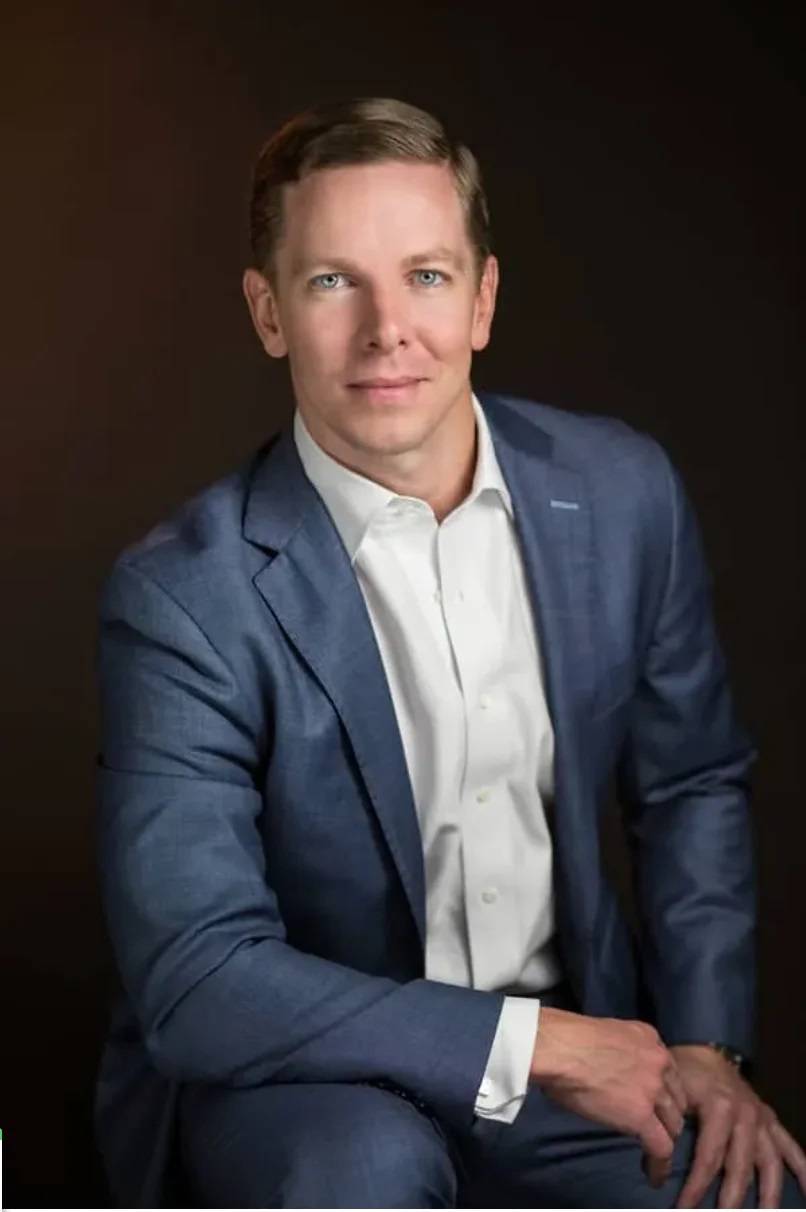
Dealing with the murky policies of insurance companies designed to confuse and prevent you from receiving compensation is our expertise.
15+ years experience as a personal injury attorney.
Specialized in battling insurance companies.
95% settlement rate for clients.
Handled 450+ personal injury cases.
Collected more than $50 million for clients.
450+ people have chosen Andrew as their attorney.
520+ Satisfied Clients
Our latest reviews on Google

Queen Jones
19 hours ago
⭐⭐⭐⭐⭐ I highly recommend Andrew Pickett and his entire team! When I first started my case, I was frustrated and didn’t fully understand the legal process, and I initially gave them a one-star review. But Andrew and his team never gave up on me. They continued to stand by my side, worked extremely hard on my behalf, and stayed committed to getting my case resolved. What really stood out to me was their dedication and willingness to keep fighting for the best possible outcome. They handled my case professionally and worked hard to get it settled. I’m extremely grateful to Andrew Pickett and his entire team for everything they did for me. If you’re looking for a legal team that will stand beside you, work hard for you, and see your case through, I definitely recommend giving them a call. Thank you, Andrew Pickett and team, for all your hard work and dedication!

Kev Albaugh
9 days ago
After being in a serious car accident, I hired Andrew Pickett and his team in Melbourne to handle my case. From day one, Mr. Pickett treated me with genuine respect, compassion, and professionalism. He took the stress completely off my shoulders so I could focus on recovering. I would also like to recognize Lindsay, Jeremy, Vonda, and Caroline for always keeping me updated throughout the entire process and addressing any questions or concerns I may have had. Thanks to Andrews incredible expertise and relentless advocacy, he secured a phenomenal outcome that exceeded all of my expectations. If you are looking for an honest, hardworking personal injury attorney on the Space Coast who delivers real results, look no further than Andrew Pickett Law. They are the best in the business.

Robbi Sandkulla
11 days ago
When my fiancé was in a serious car accident, we were completely overwhelmed, but Andrew Pickett and his team were an absolute blessing. They stepped in immediately, handled every detail with the insurance companies, and kept us updated every step of the way. Seeing how much stress they lifted off his shoulders was a huge relief. Andrew fought hard and won an amazing outcome for his case. We are so incredibly grateful for this firm's dedication and highly recommend them!

Teresa Wyatt
23 days ago
The Team at Andrew Pickett has been great, so far. Extremely quick, and thorough. Wasted no time, in getting my case started.

Alondra “Alo” Ruiz
1 month ago
Very friendly and helpful. Love that they give back to the community.

Angela Oravits
1 month ago
We truley appreciate the kindness and helping us and many with a back pack. It was great to meet Andrew and Thank him for his kindness.

Jae is bae
1 month ago
That was so sweet of them, giving out free backpacks and supplies for the kids and making it easier for the parents to come up and just grab the backpacks and go to get home to their children. Love this event for people. I hope to see them next year as well.

K SN
1 month ago
⭐⭐⭐⭐⭐ I cannot say enough good things about my experience with Phindile at Andrew Pickett Law. From the moment she answered the phone, she was kind, compassionate, and truly listened to everything I had to say. After spending almost 16 months with another law firm where I felt completely ghosted and struggled with a lack of communication, I was feeling frustrated and unheard. Phindile spent nearly an hour on the phone with me, patiently listening to my concerns, answering my questions, and walking me through the process. She made me feel like my case actually mattered. In that one phone call, I received more communication, care, and reassurance than I had during my entire 16 months with my previous firm. Her professionalism, empathy, and willingness to help made such a stressful situation feel so much easier. If the rest of the team is anything like Phindile, I know I’m in good hands. Thank you for treating me with kindness and making me feel heard. I truly appreciate everything you’ve done.

marianne mattern
1 month ago
Andrew was a very nice person. Unfortunately they did not have shade for the people in the pre register line. Which left people with disabilities and non disabled left in the sun. They did provide little bottles of sunscreen and promo hand fans. Water was provided. Thank you for the kindness.

Rachael Brown
1 month ago
Thanks for your gracious contribution to our community

Jeremiah's Ice of West Melbourne
1 month ago
It was an absolute pleasure to join you this year in project backpack! What a great give-back for our local youth, it was an incredibly smooth event. Great team work!!

Nicole Popun
2 months ago
Thank you for giving back to the community. God bless your family.

Andrew Arnabat
2 months ago
My wife and I got hit with a car accident and the insurance chaos that followed. Tiffany Whitehouse and the Andrew Pickett Law team stepped up. Tiffany was always on the ball and went the extra mile. Vonda, Lindsey, Lauren, and Caroline really cared. They handled everything so we didn’t have to, moved fast, and got us the max they could. No stress. Just results

Joshua Sund
2 months ago
My daughter really enjoyed her backpack everything was very well organized

Audra Forbes
2 months ago
Amazing turnout! Everyone was so helpful, handing out waterbottlesand fans to stave off the scorching heat. I'm glad I stopped by.

Latisha Watkins
2 months ago
It was a pleasure to volunteer with Andrew Pickett Law Firm and his incredible team. I can’t say enough about how amazing his team communicated with me. A wonderful community event. The families that his firm helped at this year’s Back-to-School event was such a rewarding experience. The team was well-organized, welcoming, and made it so easy for me as a volunteer to step right in and make a meaningful impact. Watching the kids get excited about their new backpacks filled with supplies and seeing parents feel supported as the school year begins was the best part of the day. It’s amazing what can happen when a community comes together with a shared goal. I’m so grateful to have been a part of it and definitely look forward to helping out again in the future.

Rahmeik Venable
2 months ago
Wow, any person willing to hold an event to give back is an A1 person to me, the staff was absolutely amazing in organizing, and maintaining a great atmosphere for us all. I'll be looking forward to attending another community event.

Jennifer Cleveland
2 months ago
Lauren and her team are the best! Thank you for all the help, I 10/10 recommended them!

Diondra Harrison
2 months ago
It was a pleasure meeting Mr. Pickett and everyone at the law firm. From the moment I arrived, I was welcomed with kindness, professionalism, and genuine hospitality. Mr. Pickett took the time to personally greet me, listen attentively, and make me feel valued. What impressed me most was his commitment to giving back to the community, especially through initiatives that support local youth, such as the annual back-to-school backpack drive. It’s inspiring to see a law firm that not only provides excellent service but also makes a meaningful impact beyond the office. I am truly grateful to have had the opportunity to meet Mr. Pickett and his incredible team. Thank you all for your dedication, generosity, and the positive difference you continue to make in the community. I highly recommend this firm to anyone looking for a team that genuinely cares.

Ivanova Rodriguez
2 months ago
Great experience, kindness people