



Andrew Pickett Law is a top Titusville wrongful death law firm that handles fatal accident cases throughout Titusville and North Brevard County for families who need help getting answers and financial recovery. As an Eighteenth Judicial Circuit prosecutor, Andrew Pickett worked alongside families through the criminal side of fatal cases before he filed the civil ones.
What You Need To Know
- A wrongful death claim has more moving parts than a family expects, and other people decide the first ones within weeks. A lawyer who handles wrongful death claims makes sure the family is part of the early decisions.
- We’d rather you finish reading knowing where your family stands, whether you call us or not.
- You’ve got two years to file, and the two years run from the date of death, not the date of the injury.
- No single family member can file a wrongful death lawsuit alone. A judge has to appoint one person to act for everyone else.
- You don’t have to give the insurance company a recorded interview, and saying no doesn’t hurt the claim.
- You can order certified death certificates today. The health department office in Viera charges $12 and a walk-in is usually served the same visit.
- The autopsy report, the crash file and the court file sit in three different offices, and no office sends anything on its own.
- Andrew Pickett prosecuted in the Eighteenth Judicial Circuit, where a Brevard wrongful death case is heard, and he tries cases to a jury.
- The autopsy report. Public for a crash death, and about four months out, because the lab work runs on the state’s timetable.
- The autopsy photographs. Confidential by statute. Only a ranked list of close family can view them.
- The crash investigation file. Held by the agency that worked the crash, and released only through a formal written request.
- The estate record. Nobody releases it to you, because the family’s own filings at the Titusville courthouse create it.
If someone in your family died a few weeks ago, most of what fills your days is not legal. There is a funeral to arrange and pay for. If the death came from a crash, the medical examiner has the case. Someone may have mentioned Rockledge without explaining what happens there. A person from an insurance company may have called already, sounding kind, asking whoever picked up to describe the crash on a recorded line. That call has a name, a recorded statement, and nobody in your family has to give one.
Somewhere in the middle of it, a bank or a billing office asked the question nobody can answer yet. Who has the legal right to act for him?
Start with the one decision your family can make in the next few days. The appointment, the deadlines, the family members the law pays and the way a judge divides the money all sit further down, along with the statute citations.
The First Decision Your Family Has to Make
No one in your family can file a wrongful death lawsuit yet, and nobody’s missed anything by waiting. Florida gathers everything the person left behind into one legal container called the estate, and the wrongful death claim sits inside the estate. A judge appoints one person to act for the estate, and only the appointed person can file.
Your family’s first decision is a small one and an important one: which of you asks the judge for the job. Lawyers call the appointed person the personal representative, and nobody else in the family can file. The personal representative files once, for everyone.
Pick one person and agree on the choice before anyone files a petition. When two relatives each ask a Brevard judge for the appointment, the family pays for the contest in months, and the claim waits.
You don’t need to know the court, the forms or the estate rules to pick a name. You need one name your family agrees on.
take action / Step 3 We fight for you. Same block used on /melbourne/ and /titusville/.]
What the Insurance Company’s Call Is Really Asking For
Someone from an insurance company has probably already called your house. The caller sounds concerned, and an insurer has its own reason for calling a grieving family early.
An insurer wants a recorded description of the death before anyone has read the police report or the medical examiner’s findings. Your family owes an insurance adjuster nothing, and no deadline runs out because you waited a week.
Nobody in your family can settle a wrongful death claim anyway until a judge appoints a personal representative. A signature given before the appointment binds nobody, and an insurer can still use a recorded statement your family gave before the appointment.
A Wrongful Death Lawyer’s Fee Never Comes Out of the Family’s Pocket
Andrew Pickett Law works on a contingency fee only. We take a percentage of whatever we recover for the family, and we charge no fee at all if we recover nothing. You’ll never write us a check to get started, and you’ll never see an hourly bill. A contingency fee matters in a season when a family is already paying for a funeral.
Case costs are a separate category, covering filing fees, records and expert work. We advance the case costs and take them out of the recovery at the end. Nothing comes out of the family’s pocket while the case runs. Ask any firm you talk to, including us, who pays the case costs if you lose. Firms answer the question differently, so get the answer in writing before anyone signs.
The Act itself controls how the fee lands on the family. Most people never hear about that protection. Fees and costs come out of each survivor’s award and out of the estate’s award, in proportion to what each one receives. An expense run up for one survivor comes out of that survivor’s share alone.24 No single family member carries the cost of the case for everyone else. Nobody pays for work done only for someone else’s benefit.
We back the Act’s protection with a commitment of our own. We work the case to its maximum value, and we tell you what’s happening while we do it. The first time you hear a number shouldn’t be the day someone asks you to accept it.
Andrew Pickett Grew Up in Brevard and Prosecuted in Its Courts
Andrew Pickett grew up in Brevard County and spent years as a prosecutor in the Eighteenth Judicial Circuit. A Brevard wrongful death case runs through the probate and civil divisions of the Eighteenth Judicial Circuit. He trained at the Trial Lawyers College, and he tries cases to verdict. An insurance carrier prices a file differently when the lawyer across the table has taken a case to a jury.
A wrongful death case moves through two courtrooms and at least three agencies. Clients tell us the same thing in their reviews: they always knew what was happening. We’ll tell you the next step and roughly when it’s coming. When something changes, we’ll call you about the change.
The Parts of a Death Claim a Family Can Do Alone
A family can do part of the work alone. Opening a small estate is a form and a filing fee, and Brevard’s clerk will tell you which counter to use.
A family can also handle a claim alone when one driver caused the death, that driver carried real insurance, and the insurer offers the policy limit without an argument. Insurers do pay policy limits in clear cases, and you shouldn’t pay anybody a share to collect a number that’s already on the table.
The harder cases look different from the start. Two relatives want the appointment. A city or a public hospital caused the death, and a second and shorter deadline has already started. Somebody has told an adult child there’s nothing for grief. A creditor is asking about the estate’s share.
You don’t have to work out on your own which kind of case you’ve got. Call us, describe what happened, and we’ll tell you which description fits your family. The call and the review cost nothing, and nobody signs anything to have the conversation.
Tell Us Who’s Left, and We’ll Tell You the Next Step
A first call is a conversation, not a commitment. You describe what happened and who’s left, and we tell you what the next legal step is and who in your family can take it.
Bring a death certificate if the state has issued it, and the names of the surviving spouse, children and parents. You can call with no paperwork at all.
If Andrew Pickett Law takes the case, our fee comes out of a recovery and nothing comes out of the family’s pocket while the case runs. If your family doesn’t need a lawyer, we’ll tell you plainly and point you to the right counter.
Nobody in Your Family Can File Yet, and Nothing Has Been Missed
A spouse cannot file this lawsuit in her own name. Neither can a son, a daughter or a parent, however direct the loss is. Florida first gathers everything the person left behind into one legal container. Property, accounts and legal claims all go in, and the whole of it is called the estate. The wrongful death claim is one of the things inside it. A judge then appoints one person to act for that estate. The role is called the personal representative, and that person is the only one who can file the lawsuit. The personal representative files it once, for every family member at the same time.1
The same law reaches an injury case that was already running. If the person who died had a lawsuit going over those injuries, that case ends at the moment of death.1 It does not carry on by itself, because the personal representative refiles the claim as a wrongful death action. A family that assumes the old case is still moving can lose months. If there was a pending suit, the lawyer handling it needs to hear about the death right away.
Until a Judge Signs One Order, No One Can Act on the Claim
The judge who appoints a personal representative does not sit in the division that hears the lawsuit. Appointments happen in probate, the part of the court that supervises estates. Until the probate judge signs the order of appointment, nobody can act on the claim. No one can file the suit, settle anything, or sign anything. Opening the estate is not a formality beside the case, because the case cannot start until that order exists.
Directories will send you to the wrong courthouse for the appointment
Even official-looking directories name the wrong courthouse for this. Since 1 April 2026, Judge Tesha Scolaro Ballou has handled probate for all of Brevard County.2 She sits at the Titusville courthouse, in Courtroom 2, at 506 South Palm Avenue. The circuit’s own administrative order puts her there. The wrongful death lawsuit is a different kind of case, heard at the Moore Justice Center in Viera, about 20 miles south. Several court directories still say the Titusville courthouse handles only small claims and traffic, and they are out of date. You open the estate in your own town, and that estate is what unlocks your right to file.
Two relatives who both want the job can cost the family its hearing date
The appointment is not first come, first served. When there is a will, the person the will names to administer the estate has first priority. Next comes the person chosen by a majority of those with an interest in the estate, and after that a beneficiary named in the will. When there is no will, the surviving spouse has first priority. Then comes the person chosen by a majority in interest of the heirs, and then the heir nearest in degree.3 Most families settle the question in one conversation around a kitchen table.
When two relatives each ask to serve, Brevard’s probate division makes both sides confer and file written confirmation that they did. You have 24 hours to file the notice for any hearing after the judge’s office confirms the date. A notice filed late means the hearing is cancelled.4 Your family can survive a disagreement about who serves, but a late filing inside it costs you the hearing date.
A blank line on one form sends the whole petition back
Brevard adds rules of its own that appear nowhere in the statewide probate rules. Judge Ballou’s written instructions cover one of them, and they say the bond amount on an order appointing a personal representative must never be left blank. When the estate needs no bond, the order still has to say so, with “$0” or “waived” entered as the amount.5 The Clerk of Court adds a filing rule of its own, so every probate petition has to arrive with its proposed orders attached. It also needs at least one self-addressed stamped envelope, and a petition filed without them stalls.6 That order of appointment is the one document that unlocks the right to file the suit. In Brevard it can come back over an empty bond field.
The estate’s size picks the process, and most sites print the wrong figure
The size of the estate decides which form of administration the family asks for. Florida offers a shortened process called summary administration for estates of $150,000 or less. Many sites online still quote $75,000 for that line. The statute says $150,000.7 Formal administration is the fuller process, and it is the one where the judge appoints a personal representative. The Brevard Clerk’s filing fee for formal administration comes to $400.8 Which form fits a family that also has a wrongful death claim depends on more than size. Bring that question to your first conversation with a lawyer.
Your Two Years Start at the Death, Not at the Injury
A wrongful death lawsuit in Florida has to be filed within two years.9 The two years run from the date of death. They do not run from the date of the injury that caused it. Those two dates can sit months apart, and the later one is the one that counts. Suppose someone is hurt in a crash in March and dies that August. The family’s two years begin in August, so a family counting from the crash date is giving away months it actually has.
The two years do not stop while your family opens the estate. Probate runs inside that clock, so open the estate early.
Suing a city or a public hospital puts a second deadline in front of the first
The path compresses when a government body is involved in the death. A city vehicle, a county road crew and a public hospital all count. Before any of them can be sued in Florida, the claim has to be sent to the agency in writing. For a wrongful death, that written notice is due within two years of the death.10 If the agency makes no final decision within 90 days, the law treats the claim as denied. You still have to file the lawsuit inside the same two years. The clock pauses only while the claim actually sits with the agency.11
You will read elsewhere that you get three years for the notice and four years to file. Both numbers are wrong for a death case. The statute sets the notice period for wrongful death at two years, and it sends the filing deadline back to the two-year rule.
In Titusville this rule is not a footnote. Parrish Medical Center is the city’s own hospital, run by the North Brevard County Hospital District. Its status as a government body shows up in the court record of its own appeal.12 A claim over a death at Parrish follows the compressed path above. A death blamed on medical care adds its own presuit investigation period on top.13 That extra wait makes the two years shorter than they sound. The Titusville personal injury page covers the rest of the government rules and the caps on what an agency has to pay.
Where the death happened can replace the whole rulebook
Geography can swap out every rule on this page. A death on Kennedy Space Center or the Canaveral National Seashore becomes a claim against the federal government. Federal deadlines and federal procedure apply instead.14 A death more than three nautical miles off Port Canaveral falls under a federal maritime law. That law pays money losses you can measure, with nothing at all for the family’s grief.15 Each of those regimes replaces the Florida rules this page describes. A lawyer pins down the exact place of the death before anything else. The Titusville personal injury page maps which rules attach to which places.
Which Family Members the Law Pays, and Which It Leaves Out
The Florida Wrongful Death Act pays a defined list of family members, and it calls the people on that list survivors. Most published material gets the rules wrong about who is on that list and what each survivor gets back. The rules turn on the survivor’s relationship to the person who died, on the survivor’s age, and on how the death happened.
A 24-year-old still counts as a minor child
Start with the definition that surprises everyone. For wrongful death purposes, “minor children” means children under 25 years of age. Florida adulthood otherwise begins at 18.16 A 24-year-old whose father is killed recovers as a minor child. She can claim the loss of her father’s companionship, instruction and guidance, and her own mental pain and suffering, with no conditions attached. Her 25-year-old brother sits in a different legal category, and his right to those same damages depends on a condition most published material never mentions.
Whether an adult child gets anything for grief turns on the spouse
Children 25 and older can recover for lost parental companionship and for their own mental pain and suffering. They can do so only if there is no surviving spouse.17 The condition is the whole rule, and it is the most misstated point in wrongful death material online. That material flattens the rule into “children can recover” or “adult children cannot.” Both versions are wrong. If the person who died leaves a spouse, the adult children’s grief damages are not part of the case. If there is no spouse, they are.
The rule that bars adult children belongs to medical cases only
How the death happened matters too, in one direction only. In a death caused by medical negligence, adult children get nothing for lost companionship or grief. Parents of an adult child get nothing for those losses either.18 That bar reaches medical negligence and nothing else. A family told that adult children never recover grief damages is hearing the medical rule applied to a crash case. It does not belong there. In a fatal crash, an adult child’s recovery follows the surviving-spouse rule above and nothing more.
Parents and siblings are on the list only under conditions
Parents of a child under 25 can recover for their own mental pain and suffering. Parents of an adult child can do so only when there are no other survivors at all.19 Brothers, sisters and other blood relatives count as survivors only if they depended on the person who died for support or services. Even a dependent sibling gets back the value of that lost support, never damages for grief.20 The Act’s list is closed. A relative who does not fit one of its categories is not a survivor, whatever a settlement chart online may promise.
The estate has a claim of its own, and creditors can reach that money
Alongside the survivors’ damages, the estate recovers certain losses itself. It recovers the earnings the person lost between the injury and the death. In many cases it also recovers what the person would probably have earned and kept over a working life. The Act calls that figure lost net accumulations.21 Those two pots of money work differently in practice. Money awarded to survivors belongs to the survivors. Money awarded to the estate passes through the estate, where creditors of the person who died can reach it. Your lawyer picks which claims to bring and in whose name, and that choice changes what your family keeps.
A Judge Has to Sign Off on How the Money Is Split
The case produces one recovery, and the survivors and the estate then divide that single sum. The division is neither automatic nor private. If any survivor objects to a proposed split, a judge has to approve it. The same is true if the settlement affects a minor child, or a person who cannot manage their own affairs.22
The court’s role exists because survivors’ interests really do pull apart. Suppose a Titusville man is survived by a second wife and by two adult children from his first marriage. The spouse’s claim and the children’s claims compete inside the same settlement. The surviving-spouse rule above means the children’s grief damages may not be in the case at all. The division conversation goes better in month two than in month twenty, before positions harden into objections.
A hospital can be standing in the middle of the division. A Brevard hospital that treated your family member between the injury and the death can hold a claim on settlement money. The family may not see that money first, and the device is called a hospital lien. The Titusville page explains the county rule behind it.23
What Actually Happened Is Written Down, and Nobody Will Mail It to You
Every family in this situation eventually asks the same question: what actually happened. Different offices hold different pieces of that answer in their own files. No office among them sends anything on its own. The autopsy report belongs to the medical examiner system, and the crash investigation belongs to law enforcement. The family’s own filings at the courthouse create the estate record. Each of the three is reached by its own route.
The autopsy report is public, and the photographs are not
Brevard is its own medical examiner district, District 18, so a Titusville death is examined in Rockledge rather than in Orlando or Daytona. The office sits at 1750 Cedar Street in Rockledge, about 22 miles south of Titusville. Its number is (321) 633-1981.25 For a crash death, the written autopsy report is a public record the family can obtain. The photographs, video and audio are confidential by statute. The statute ranks who may view them: the surviving spouse first, then parents if there is no spouse, then an adult child.26
The report takes about four months, and nothing in the case waits for it
The report takes longer than families expect. The laboratory work on blood samples is called toxicology. It runs on the state lab’s timetable, which the state itself describes as at least fifteen weeks.27 Plan on roughly four months for the complete report, against a two-year filing clock. Sending the request to the right place matters as much as the timing. Requests for Brevard medical examiner records go through the county’s public records process. Send them to publicrecords@brevardfl.gov or call (321) 633-2071, rather than walking in to the Cedar Street office. The county sets that copy fee locally and does not publish it. Call the medical examiner’s office at (321) 633-1981 for the current figure before you send a request.28 Nothing in the case waits on the report. The estate can open, and the preservation work can start, while the toxicology is still at the lab.
The crash report is not the crash file, and the file is the one that matters
A fatal crash generates two different documents, and families usually hear about only one. The crash report is the standardized form every crash produces. For its first 60 days it is confidential to everyone except the people involved, their lawyers and their insurers.29 The Titusville personal injury page covers how to request it and which agency wrote it.
The investigation file is the larger thing. When the Florida Highway Patrol works a crash involving a death, a specialized investigator is mandatory rather than optional under the agency’s own policy. The Florida Highway Patrol trains that officer to document the scene as a possible homicide, and the title is traffic homicide investigator. In Brevard those investigators work out of the FHP station in Cocoa, at 3775 West King Street.30 Their file holds the measurements, the reconstruction work and the witness statements, and it is the fullest account of the crash that will ever exist. It comes out through formal records requests, never by calling and asking.
Records held by the Sheriff’s Office follow a route of their own. The Sheriff’s public records unit sits in Titusville, at 700 Park Avenue, and takes requests through its online portal. Its own guidance warns that requests cannot be completed the same day.31 If the crash happened inside one of the school zones where Titusville runs speed cameras, pole-mounted video may exist as well. The ordinance behind those cameras orders recordings destroyed on a schedule, so a written preservation request within weeks is part of the same work.32 The Titusville page covers the camera zones.
The death certificate arrives in a day, and you will need more copies than you think
The death certificate is the one record on this list that arrives fast. The health department office for Brevard sits at 2565 Judge Fran Jamieson Way in Viera. It issues certified copies for $12. Faxed orders, which carry a $10 processing fee, are processed within one business day; the office publishes no turnaround for walk-in, mail or online requests, and a walk-in is usually served the same visit. It can also issue certificates for deaths anywhere in Florida from 2009 onward.33 A family whose loss happened out of county can still handle it locally. Order more copies than seems necessary, because more than one office will ask for a certified copy of its own.
The estate record is the one file the family builds itself
Your family’s own filings create the estate record, so no office will release it to you. Those filings build it petition by petition, at the Titusville courthouse, under the local rules described earlier. Everything filed there becomes the public backbone of the case. We fill in the bond line and prepare the proposed orders carefully for exactly that reason.
Help Paying for the Funeral When the Death Was a Crime
Florida runs a compensation fund for victims of crime, and families ask about it after fatal crashes more than after anything else. We would rather tell you the hard part first. For this program, a death caused by ordinary careless driving does not count as a crime. That stays true however strong the civil case is. The statute leaves out vehicle deaths unless the harm was done on purpose, or unless it falls inside a short list of exceptions.34
The exceptions are the ones families would guess, including DUI manslaughter, leaving the scene of a crash, and fleeing from law enforcement. When one of those applies, the fund can pay up to $7,500 toward funeral and burial expenses.35 The deadline to apply is three years. The one-year figure still circulating comes from an older version of the rule.36
Applying does not require a lawyer, and local help exists for it. The State Attorney’s office runs a victim services unit out of its Titusville office at 400 South Street. The number is (321) 617-7510. Walking families through this application is part of what that unit is there to do.
Frequently Asked Questions About Wrongful Death Claims
We already had an injury lawsuit going when she died. What happens to it?
The case does not continue in its current form. Florida law ends a pending personal injury suit at the plaintiff’s death. The claim has to be refiled as a wrongful death action by the personal representative.1 The work already done carries into the new case, including the records gathered and the expert reviews. The refiling is mandatory, so the lawyer on the injury case needs to know about the death immediately.
He was partly at fault in the crash. Is there still a case?
A claim usually survives partial fault, because Florida splits the blame by percentage. Florida bars the claim only when the person who died was more than 50 percent responsible.37 Below that line, the recovery is reduced by his share of the blame rather than erased. Families hear over and over that partial fault ends the case, and up to the 50 percent line that is simply not the rule. The Titusville car accident page covers how we prove fault percentages and argue them.
The driver who caused the crash had no insurance. Is there anything to recover?
There often is, and it is usually sitting on the family’s own side. Florida does not require drivers to carry coverage for the injuries and deaths they cause.38 The recovery in a fatal crash frequently comes from uninsured motorist coverage. That coverage is the protection built into your own policy, and it stands in when the at-fault driver has nothing. Checking every policy in the household is early, concrete work. The Titusville car accident page explains how that coverage operates.
Should we wait for the autopsy report before talking to a lawyer?
There is no reason to wait, because the report sits on the slowest clock in the case. The toxicology alone takes at least fifteen weeks at the state lab. The complete report commonly takes around four months.27 The estate opening, the preservation letters and the insurance notifications all carry earlier deadlines. The report joins the case when it is ready, and the case does not wait for it.
Can the family see the autopsy photographs?
The written report and the photographs follow different rules. The report of a crash death is a public record, while the photographs, video and audio are confidential by statute.26 Viewing them requires either a court order or standing under the statute’s own ranked list. That list puts the surviving spouse first, then the parents if there is no spouse, then an adult child. A family that needs the images examined can reach them through those routes. Nothing requires any family member to view them personally.
Does the settlement money go through probate, and can creditors take it?
Money awarded to the survivors for their own losses belongs to them directly, and it does not answer to the estate’s creditors. Money awarded to the estate passes through the estate, where creditors of the person who died can reach it. The estate’s award covers the lost earnings and the lost lifetime savings described above.21 The lawyer’s split between those two kinds of award changes what the family keeps. Policing that split is part of what the court-approval process is for.22
Four Things Families Get Told Here That Are Not True
“The estate has to be under $75,000 for the short process.” The line is $150,000. Sites still repeat the $75,000 figure, but the Legislature took it out of the statute.7
“Adult children never recover for their grief.” Children 25 and older do recover when there is no surviving spouse.17 The bar people repeat comes from the medical negligence rule, and it does not reach a crash case.18
“You get three years to tell a government agency and four years to file.” For a death claim, the written notice is due within two years.10 The filing deadline goes back to the same two years.11
“There is only one year to apply for crime victim compensation.” The deadline is three years. The one-year figure comes from a version of the rule that no longer applies.36
Titusville personal injury hub.]
References
- Fla. Stat. § 768.20 — the action shall be brought by the decedent’s personal representative; no action for the personal injury survives, and any such action pending at the time of death abates.
- Eighteenth Judicial Circuit Administrative Order 26-16-B (signed 27 March 2026, effective 1 April 2026) — Probate/Guardianship division assignment: “Judge Ballou – Titusville Courthouse”; circuit civil at the Moore Justice Center, Viera. Courtroom 2 and the 506 S. Palm Avenue address: Judge Ballou’s published Policies and Procedures, flcourts18.org (see references 4 and 5).
- Fla. Stat. § 733.301 — order of preference in the appointment of a personal representative, testate and intestate.
- Eighteenth Judicial Circuit, Brevard probate division procedures — contested matters require meet-and-confer and a Certificate of Compliance, with the Notice of Hearing filed within 24 hours of hearing-date confirmation or the hearing is cancelled.
- Brevard probate division written submission requirements (Judge Ballou) — “Do not leave the bond amount blank in the appropriate order appointing personal representative… insert ‘$0’ or ‘waived’ as the amount.”
- Brevard County Clerk of Courts, probate filing requirements — proposed order(s) must accompany any probate petition, with at least one self-addressed stamped envelope.
- Fla. Stat. § 735.201(2) — summary administration threshold: assets subject to administration not exceeding $150,000. The $75,000 figure in wide circulation is wrong against the current text.
- Brevard County Clerk of Courts, probate fee schedule — formal administration filing fee, $400 total.
- Fla. Stat. § 95.11(5)(e) — two-year limitations period for wrongful death, accruing at death.
- Fla. Stat. § 768.28(6)(a) (current statutes) — for wrongful death, written presentation of the claim to the agency and the Department of Financial Services within 2 years after the claim accrues. Fixes the live page’s “three years to notify”; cite the current compilation — the prior page linked the 2018 chapter text.
- Fla. Stat. § 768.28(6)(d), (14) — failure to make final disposition within 90 days is a deemed denial in wrongful death actions; limitations tolled while the claim is pending; subsection (14) sends wrongful death filing to § 95.11(5), overriding the general 4-year rule. Fixes the live page’s “four years to file.”
- N. Brevard Cty. Hosp. Dist. d/b/a Parrish Med. Ctr. v. Deligdish, No. 5D23-3173 (Fla. 5th DCA) — Parrish Medical Center operated by the North Brevard County Hospital District; its government-entity status acknowledged in the litigation.
- Fla. Stat. § 766.106 — medical negligence presuit notice and 90-day investigation period, with tolling.
- 28 U.S.C. § 2401(b) — Federal Tort Claims Act: administrative claim within 2 years, suit within 6 months of denial; governs deaths on federal land such as Kennedy Space Center and Canaveral National Seashore.
- 46 U.S.C. §§ 30302–30303 — Death on the High Seas Act: applies beyond 3 nautical miles; recovery limited to pecuniary loss.
- Fla. Stat. § 768.18(2) — “minor children” means children under 25 years of age, notwithstanding the age of majority.
- Fla. Stat. § 768.21(3) — minor children, and all children if there is no surviving spouse, may recover for lost parental companionship, instruction, and guidance and for mental pain and suffering.
- Fla. Stat. § 768.21(8) — the subsection (3) and (4) damages are unavailable in medical negligence deaths for adult children and parents of an adult child.
- Fla. Stat. § 768.21(4) — parents of a deceased minor child may recover mental pain and suffering; parents of an adult child only if there are no other survivors.
- Fla. Stat. § 768.18(1) — blood relatives and adoptive siblings qualify as survivors only when partly or wholly dependent on the decedent for support or services; § 768.21 assigns them no grief damages.
- Fla. Stat. § 768.21(6)–(7) — the estate’s recovery: lost earnings from injury to death and lost prospective net accumulations.
- Fla. Stat. § 768.25 — court approval required for settlement apportionment objected to by a survivor or affecting a minor or an incompetent.
- Brevard County Code §§ 54-66 to 54-71 — hospital lien perfected by filing with the Clerk of the Circuit Court; hub module, stated in full on the Titusville personal injury page.
- Fla. Stat. § 768.26 — attorney’s fees and costs deducted from each award in proportion; expenses incurred for a particular survivor charged to that survivor’s award.
- Fla. Admin. Code R. 11G-5.002 — Medical Examiner District 18 comprises Brevard County alone; district office at 1750 Cedar Street, Rockledge, (321) 633-1981.
- Fla. Stat. § 406.135 — autopsy photographs, video and audio confidential; viewing by the surviving spouse, then parents if none, then an adult child; the written report of a crash death remains public.
- FDLE toxicology guidance — postmortem toxicology “can take at least fifteen weeks.”
- Brevard County public records — medical examiner records requests route through the County Attorney’s office, publicrecords@brevardfl.gov, (321) 633-2071.
- Fla. Stat. § 316.066(2) — crash report confidentiality for 60 days; release to parties, their legal representatives and insurers. Hub module; request mechanics on the Titusville personal injury page.
- FHP Policy 17.04.07.B.3.f(1) — a Traffic Homicide Investigator is mandatory for any crash involving actual or impending death; Brevard station: 3775 W. King St., Cocoa.
- Brevard County Sheriff’s Office public records unit — 700 Park Avenue, Titusville; brevardsheriff.justfoia.com; “Requests cannot be completed the same day.”
- Titusville Code of Ordinances §§ 20-70 to 20-80 (Ord. No. 16-2025) — school-zone speed detection; § 20-77 permitted use for civil liability and 90-day destruction requirement. Hub module.
- DOH-Brevard, Vital Statistics, 2565 Judge Fran Jamieson Way, Viera — death certificates $12.00, issued for all Florida counties for deaths from 2009 onward. The published one-business-day turnaround applies to faxed orders only, which carry a $10 processing fee; no turnaround is published for walk-in, mail or online requests.
- Fla. Stat. § 960.03(3)(b)–(c) — vehicle-operation deaths excluded from victim compensation unless intentionally inflicted, with statutory carve-backs including DUI manslaughter, leaving the scene, and fleeing to elude.
- Fla. Admin. Code R. 2A-2.2003 — funeral and burial benefit capped at $7,500.
- Fla. Stat. § 960.07 — claim filing within 3 years for crimes on or after 1 October 2019; the widely published 1-year deadline is the superseded rule.
- Fla. Stat. § 768.81(6) — modified comparative negligence; recovery barred above 50% fault. Hub module.
- FLHSMV insurance requirements — Florida mandates PIP and property damage liability only; no bodily injury liability coverage required of ordinary drivers.
Other Case Types We Handle
- Car Accident
- Truck Accident
- Motorcycle Accident
- Uber & Lyft Accident
- Pedestrian Accident
- Bicycle Accident
- Scooter Accident
- Golf Cart Accident
- Boating Accident
- Slip and Fall
- Premises Liability
- Airbnb and Vacation Rental
- Dog Bite
- Sexual Abuse
- Workers’ Compensation
Areas and Zip Codes Served From Our Titusville Office
- Titusville — 32780 and 32796
- Mims and Scottsmoor — 32754
- North Brevard County
Free Case Evaluation
Please describe what happened. We will review your case for free and work to secure the highest legal compensation possible.
5000+ Cases Reviewed
Sebastian Martinez
$200,000 Verdict
"Our family is flat out impressed with the Andrew Pickett Law firm technical mastery, they never wavered with kind direction as our recovery prolonged during the COVID-19, and they delivered the maximum settlement possible."
how the claim process works
Step 2
We take action
Our dedicated team gets to work investigating your claim.
Step 3
We fight for you
If we take on the case, our team fights to get you the maximum compensation legally possible.
Free Case Evaluation
Please describe what happened. We will review your case for free and work to secure the highest legal compensation possible.
5000+ Cases Reviewed
Beatrice Maxime
$1,000,000 Verdict
"I am so very grateful to have had this firm represent me. I was in a car accident a few years ago, but the car insurance company of the person who totaled my car would not replace my car, nor pay for my medical bills. We ended up going to court and because of Mr. Pickett, we won the case. Thank you so much for all you did for us!!!!"
Meet Andrew Pickett
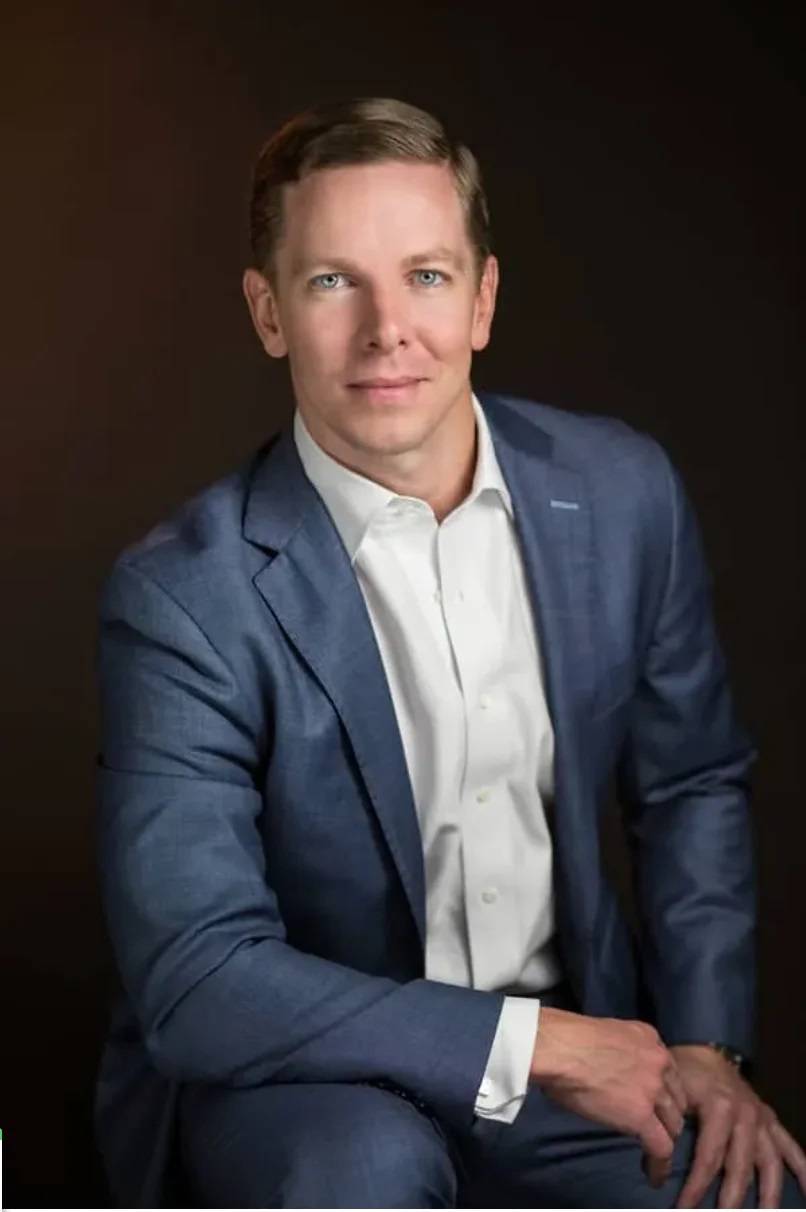
Dealing with the murky policies of insurance companies designed to confuse and prevent you from receiving compensation is our expertise.
15+ years experience as a personal injury attorney.
Specialized in battling insurance companies.
95% settlement rate for clients.
Handled 450+ personal injury cases.
Collected more than $50 million for clients.
450+ people have chosen Andrew as their attorney.
520+ Satisfied Clients
Our latest reviews on Google

Queen Jones
7 days ago
⭐⭐⭐⭐⭐ I highly recommend Andrew Pickett and his entire team! When I first started my case, I was frustrated and didn’t fully understand the legal process, and I initially gave them a one-star review. But Andrew and his team never gave up on me. They continued to stand by my side, worked extremely hard on my behalf, and stayed committed to getting my case resolved. What really stood out to me was their dedication and willingness to keep fighting for the best possible outcome. They handled my case professionally and worked hard to get it settled. I’m extremely grateful to Andrew Pickett and his entire team for everything they did for me. If you’re looking for a legal team that will stand beside you, work hard for you, and see your case through, I definitely recommend giving them a call. Thank you, Andrew Pickett and team, for all your hard work and dedication!

Kev Albaugh
16 days ago
After being in a serious car accident, I hired Andrew Pickett and his team in Melbourne to handle my case. From day one, Mr. Pickett treated me with genuine respect, compassion, and professionalism. He took the stress completely off my shoulders so I could focus on recovering. I would also like to recognize Lindsay, Jeremy, Vonda, and Caroline for always keeping me updated throughout the entire process and addressing any questions or concerns I may have had. Thanks to Andrews incredible expertise and relentless advocacy, he secured a phenomenal outcome that exceeded all of my expectations. If you are looking for an honest, hardworking personal injury attorney on the Space Coast who delivers real results, look no further than Andrew Pickett Law. They are the best in the business.

Robbi Sandkulla
18 days ago
When my fiancé was in a serious car accident, we were completely overwhelmed, but Andrew Pickett and his team were an absolute blessing. They stepped in immediately, handled every detail with the insurance companies, and kept us updated every step of the way. Seeing how much stress they lifted off his shoulders was a huge relief. Andrew fought hard and won an amazing outcome for his case. We are so incredibly grateful for this firm's dedication and highly recommend them!

Teresa Wyatt
1 month ago
The Team at Andrew Pickett has been great, so far. Extremely quick, and thorough. Wasted no time, in getting my case started.

Alondra “Alo” Ruiz
1 month ago
Very friendly and helpful. Love that they give back to the community.

Angela Oravits
1 month ago
We truley appreciate the kindness and helping us and many with a back pack. It was great to meet Andrew and Thank him for his kindness.

Jae is bae
1 month ago
That was so sweet of them, giving out free backpacks and supplies for the kids and making it easier for the parents to come up and just grab the backpacks and go to get home to their children. Love this event for people. I hope to see them next year as well.

K SN
1 month ago
⭐⭐⭐⭐⭐ I cannot say enough good things about my experience with Phindile at Andrew Pickett Law. From the moment she answered the phone, she was kind, compassionate, and truly listened to everything I had to say. After spending almost 16 months with another law firm where I felt completely ghosted and struggled with a lack of communication, I was feeling frustrated and unheard. Phindile spent nearly an hour on the phone with me, patiently listening to my concerns, answering my questions, and walking me through the process. She made me feel like my case actually mattered. In that one phone call, I received more communication, care, and reassurance than I had during my entire 16 months with my previous firm. Her professionalism, empathy, and willingness to help made such a stressful situation feel so much easier. If the rest of the team is anything like Phindile, I know I’m in good hands. Thank you for treating me with kindness and making me feel heard. I truly appreciate everything you’ve done.

marianne mattern
2 months ago
Andrew was a very nice person. Unfortunately they did not have shade for the people in the pre register line. Which left people with disabilities and non disabled left in the sun. They did provide little bottles of sunscreen and promo hand fans. Water was provided. Thank you for the kindness.

Rachael Brown
2 months ago
Thanks for your gracious contribution to our community

Jeremiah's Ice of West Melbourne
2 months ago
It was an absolute pleasure to join you this year in project backpack! What a great give-back for our local youth, it was an incredibly smooth event. Great team work!!

Nicole Popun
2 months ago
Thank you for giving back to the community. God bless your family.

Andrew Arnabat
2 months ago
My wife and I got hit with a car accident and the insurance chaos that followed. Tiffany Whitehouse and the Andrew Pickett Law team stepped up. Tiffany was always on the ball and went the extra mile. Vonda, Lindsey, Lauren, and Caroline really cared. They handled everything so we didn’t have to, moved fast, and got us the max they could. No stress. Just results

Joshua Sund
2 months ago
My daughter really enjoyed her backpack everything was very well organized

Audra Forbes
2 months ago
Amazing turnout! Everyone was so helpful, handing out waterbottlesand fans to stave off the scorching heat. I'm glad I stopped by.

Latisha Watkins
2 months ago
It was a pleasure to volunteer with Andrew Pickett Law Firm and his incredible team. I can’t say enough about how amazing his team communicated with me. A wonderful community event. The families that his firm helped at this year’s Back-to-School event was such a rewarding experience. The team was well-organized, welcoming, and made it so easy for me as a volunteer to step right in and make a meaningful impact. Watching the kids get excited about their new backpacks filled with supplies and seeing parents feel supported as the school year begins was the best part of the day. It’s amazing what can happen when a community comes together with a shared goal. I’m so grateful to have been a part of it and definitely look forward to helping out again in the future.

Rahmeik Venable
2 months ago
Wow, any person willing to hold an event to give back is an A1 person to me, the staff was absolutely amazing in organizing, and maintaining a great atmosphere for us all. I'll be looking forward to attending another community event.

Jennifer Cleveland
2 months ago
Lauren and her team are the best! Thank you for all the help, I 10/10 recommended them!

Megan Summers
2 months ago
It was a pleasure meeting Mr. Pickett and everyone at the law firm. From the moment I arrived, I was welcomed with kindness, professionalism, and genuine hospitality. Mr. Pickett took the time to personally greet me, listen attentively, and make me feel valued. What impressed me most was his commitment to giving back to the community, especially through initiatives that support local youth, such as the annual back-to-school backpack drive. It’s inspiring to see a law firm that not only provides excellent service but also makes a meaningful impact beyond the office. I am truly grateful to have had the opportunity to meet Mr. Pickett and his incredible team. Thank you all for your dedication, generosity, and the positive difference you continue to make in the community. I highly recommend this firm to anyone looking for a team that genuinely cares.

Ivanova Rodriguez
2 months ago
Great experience, kindness people