



Andrew Pickett Law is a top Titusville pedestrian accident law firm that handles crash cases throughout Titusville and North Brevard County for victims who need help getting medical treatment and financial recovery. Founder Andrew Pickett grew up in Brevard County, and he has crossed these same streets on foot and behind the wheel since childhood.
What You Need To Know
- A pedestrian claim has more moving parts than it looks like from the sidewalk, and the insurance alone runs through three different policies. A lawyer who handles pedestrian claims keeps the moving parts from being settled against you in the first few weeks.
- We’d rather you finish reading knowing where you stand, whether you call us or not.
- See a doctor within 14 days of the crash. Miss the 14-day deadline and you lose Florida’s first layer of insurance money for good.
- You’ve got two years to file a lawsuit, and a claim about the road itself needs attention sooner than two years.
- Car insurance pays your first medical bills even though you were on foot, and the policy that pays is often your own.
- A corner crossing counts as a crosswalk even where no paint marks the crossing, so being outside the painted lines didn’t end your claim.
- You can order the crash report yourself about ten days after the crash, and the agency that holds it depends on where you were hit.
- A published ranking can become evidence in your case, and the region’s own planners twice ranked US 1 through downtown the county’s worst road for people on foot.
- Andrew Pickett prosecuted cases in the same circuit where a Titusville case is tried. Insurers price a claim differently when the lawyer takes cases to a jury.
- The crash report. Ready about ten days after the crash. Closed to everyone but you, your lawyer and your insurer for 60 days.
- School zone camera video. Destroyed 90 days after the ticket from that day is finished.
- The road’s own files. Held by the state, and handed to anyone who asks for them in writing.
- The crossing itself. Signal timing, lighting and paint change with the next project, and the road stops matching your memory of it.
A crash between a car and a person on foot is never an even match. If you were the one walking, you are almost certainly hurt worse than anyone else involved. Someone from the driver’s insurance company has probably called already, sounding sympathetic, and mentioning that you were not in the crosswalk. The first medical bills arrive around the same time. The only car in the crash belonged to somebody else, so nobody has told you whose insurance is supposed to pay them.
Start with whose insurance pays, because most people guess wrong. The crosswalk argument, the fee and the first call come next. The deadlines, the road records and the statute citations sit further down.
Whose Insurance Pays When You Were on Foot
You were walking, and the only car in the crash belonged to somebody else, so nobody has told you whose insurance pays your bills. Most people guess wrong about who pays.
The first payment comes from car insurance rather than from the driver who hit you, and the law checks three policies in a fixed order. The order stays the same no matter who caused the crash.
Your own car insurance pays first, if you own a car. If you own no car, the law looks to a relative living in your home, and the relative’s policy pays. A grandmother’s policy can cover a grandchild struck walking home from school, as long as the two live under one roof.
If nobody in your home carries a policy either, the insurance on the car that hit you pays instead. Whichever policy the law lands on, the coverage inside is identical.
See a doctor within 14 days whichever policy applies. Miss day 14 and you lose the first layer of insurance money for good.
“You Weren’t in the Crosswalk” Is an Opening Line, Not a Finding
The driver’s insurance company opens with the same sentence: you weren’t in the crosswalk. You may have been standing in a crosswalk without knowing it.
Paint marks some crosswalks, and paint doesn’t create them. At any intersection, Florida treats the unmarked continuation of the sidewalk across the road as a crosswalk, whether or not anyone painted lines there.
Even a real mistake on your part doesn’t end the claim. Your share of the blame reduces what you collect, and only a share above half stops the claim.
Treat the opening line as a negotiating position rather than a verdict. An adjuster who says it has decided nothing, and neither has an officer who wrote it into a report.
We Spend on Your Pedestrian Case Long Before You Pay a Cent
Andrew Pickett Law works on a contingency fee only. We take a minority percentage of whatever we recover for you, and we charge no fee at all if we recover nothing. You’ll never write us a check to get started, and you’ll never see an hourly bill. Florida law caps a contingency percentage, so no firm sets its own ceiling. The Titusville car accident page lists the caps themselves.
We back the Bar’s cap with a commitment of our own. We work your case to its maximum value, and we spend money on the case long before a settlement arrives. We pay the filing fees, we order the medical records, and we hire the experts, and no bill reaches you while you’re still healing. Ask any firm you talk to, including us, who pays the advanced costs if you lose. Firms answer the question differently, so get the answer in writing before you sign anything.
You’ll Always Know Who’s Holding Your File
Andrew Pickett prosecuted cases for years in the Eighteenth Judicial Circuit, and Brevard judges try Titusville pedestrian cases in the same circuit. He built a courtroom record there before he ever represented an injured person. He trained at the Trial Lawyers College, and he tries injury cases to verdict. An insurance carrier prices a file differently when the lawyer holding it has taken cases to a jury.
Clients tell us the same thing in their reviews: they always knew what was happening in their own case. We’ll tell you the next step and roughly when it comes. When something changes, you’ll hear about the change from us rather than finding out later, and you’ll always know who’s holding your file.
Tell Us Where You Were Walking and What the Insurer Said
A first call is a conversation, not a commitment. You describe where you were walking and what the driver’s insurer has told you, and we’ll tell you which policy owes you the first medical money.
Bring the crash report number if you have it, and the name of your own car insurer or a relative you live with. You can call with no paperwork at all.
If Andrew Pickett Law takes your case, our fee comes out of a recovery and nothing comes out of your pocket while the case runs.
A Pedestrian Claim You Can Close Without a Lawyer
A pedestrian claim can settle without a lawyer. If your own policy paid the bills, you healed, and the driver’s insurer offered a fair number without arguing about the crosswalk, take the offer and keep the whole amount.
A claim goes the other way when the bills outrun the first layer of coverage, or when somebody starts arguing about where you were standing.
You don’t have to guess which case you’ve got. Call us, describe where you were walking and what you’ve been offered, and we’ll tell you whether the offer matches the coverage. The review is free and nobody signs anything.
Two Deadlines Are Already Running, and the Short One Is 14 Days
Both clocks on a pedestrian claim started the moment you were hit. Neither one pauses while you heal or wait for somebody to call you back.
See a doctor within 14 days or the first insurance money is gone
See a doctor within 14 days of the crash, even if you think you can walk it off. Florida opens its first layer of insurance money only to people who got care inside that window.1 Missing the window does not shrink that money. It erases it. A hospital visit on the day you were hit counts, and so does urgent care, and so does your regular doctor. If the crash was recent and nobody has looked at you yet, that appointment protects your money as well as your body.
A lawsuit has to be filed within two years
You have two years from the crash to file a lawsuit over it.2 That window is shorter than it sounds once treatment, records and an insurance claim are all running at once. The Titusville personal injury page works through the rest of the deadline arithmetic, including what changes when a crash takes a life.
A claim about the road has to warn the government first
A missing sidewalk, a dark crossing or a signal that ran out of time is a claim about the road itself. The road belongs to a government, and a government has to be warned before anyone can sue it. You send it a formal written notice of your claim, then give it time to answer. The law calls that step a pre-suit notice.3 That wait comes out of your two years instead of adding to them. A road claim therefore needs attention earlier than an ordinary one.
take action / Step 3 We fight for you. Same block used on /melbourne/ and /titusville/.]
The First Insurance Money Does Not Come From the Driver Who Hit You
A pedestrian hit by a car in Florida does get insurance money, but it starts from an unexpected place. The first payment comes from car insurance rather than from the driver who hit you, and the law checks three policies in a fixed order.1 The order does not depend on who caused the crash. Your own car insurance pays first, if you have a car. If you do not, the law looks to a relative who lives in your home, and their policy pays. A grandmother’s policy can cover a grandchild struck walking home from school, as long as the two live under one roof. If nobody in your home has a policy either, the insurance on the car that hit you pays instead. Whichever policy the law lands on, the coverage inside it is identical.
The coverage is called personal injury protection, or PIP, and it covers 80 percent of medical bills and 60 percent of lost wages, up to $10,000.1 The coverage follows you rather than any car, so a policy bought for driving pays a person hurt while walking. The two deadlines never change either. You have 14 days from the crash to see a doctor, or the benefit disappears.1 You also need the doctor to record an emergency medical condition in your chart. Without that note, the $10,000 shrinks to $2,500, a cap explained fully on the Titusville car accident page.4
Money past the $10,000 comes from the driver who hit you, and here the state’s rules run against people on foot. Florida does not require drivers to carry bodily injury coverage, the kind that pays for harm done to other people.5 When the driver bought none, the claim usually moves back to your own policy or a household relative’s policy. A part of that policy stands in for the insurance the driver should have had, and it is called uninsured motorist coverage. The Titusville car accident page explains how that coverage works, including the written notice it needs before you settle anything.6
Being Outside the Painted Lines Did Not End Your Claim
The driver’s insurance company opens with the same line: you were not in the crosswalk. You may have been inside one without knowing it. Paint marks some crosswalks, but paint does not create them. At any intersection, the law treats the unmarked continuation of the sidewalks across the road as a crosswalk.7 A person crossing at a corner is inside a crosswalk whether or not a single stripe sits on the asphalt.
Inside a crosswalk, the driver’s duty is stronger than most drivers believe, and how strong depends on the crossing. At a signalised intersection with the walk signal in your favor, and at any crossing with a sign telling drivers to stop, the law requires the driver to stop and to stay stopped while you cross the half of the road they are driving on. At a plain corner with no signal and no sign, the driver must yield the right of way to you, slowing down or stopping if that is what it takes.7 Either way, a driver who eased forward while you were still crossing broke that rule, whatever the insurer says about it later.
Outside any crosswalk, marked or unmarked, the duty flips, and a walker has to yield the right of way to cars.7 The statute also tells a walker not to step suddenly off a curb into the path of a car too close to stop. The driver’s insurer will read you those two sentences, so hold on to what they actually decide. A violation feeds a share of the blame, and it does not end a claim. In these cases a jury splits fault into percentage shares, a rule called comparative fault. Only a share above 50 percent bars recovery.8 The full arithmetic is on the Titusville personal injury page.
A different rule protects people walking along a road rather than across one. The rule that bars walking in the roadway applies only where a sidewalk is provided, so a road that offered you no sidewalk cannot, by itself, make walking on it your fault. Where there is no sidewalk, the law asks you to use the shoulder when there is a usable one, on the left side, facing the traffic coming toward you.7 Where there is no usable shoulder either, you had nowhere else to walk.
Nobody Is Saving the Records That Decide Your Case
The strongest proof in a pedestrian case is usually not in your hands. It sits on a pole camera, in a police file, or in a state engineer’s project folder. Every one of those has its own release rules and its own erase date, set long before you were hit. The agencies and companies holding them have no duty to keep anything for you, and no way of knowing you exist. Below is what exists right now, who holds it, and how long you have.
For 60 days, your crash report goes only to a short list of people
Where you were hit decides who wrote your report. Titusville Police cover crashes inside the city limits. The Brevard County Sheriff’s Office covers crashes outside them, and the Florida Highway Patrol covers I-95 and the state highways. The report becomes available about ten days after the crash. For the first 60 days it goes only to the people involved, their lawyers and their insurers.9 The Titusville car accident page shows you how to request the report from each agency.
A school zone camera may be holding video of your crash for 90 more days
Titusville runs automated speed cameras in ten school zones, several of them on streets walkers use most. Garden Street, Dairy Road and Knox McRae Drive are all on the list. The city ordinance behind those cameras allows the recordings to be used for deciding civil liability, not just for speeding tickets.10 The same ordinance orders the video destroyed within 90 days after the recorded event is resolved. A struck pedestrian may be on footage that nobody is keeping for them. If you were hit near a school, treat those 90 days as a real deadline. The Titusville personal injury page tells you how to preserve that video and where to send the written request.
US 1 downtown was ranked the county’s worst walking corridor before your crash
The region’s transportation planners keep a ranked list of the roads where people get hurt. Each road segment gets a score built from the number and the severity of its crashes. In the newest cycle, covering 2018 through 2022, the stretch of US 1 from Garden Street to Dairy Road scored 1,131 for pedestrian crashes. That was the worst score of any corridor in Brevard County. The cycle before it, covering 2017 through 2021, ranked the same stretch first as well, at 1,109. That score put it ahead of North Courtenay Parkway and Wickham Road. Counted across every kind of crash, the same segment scores 2,188, the highest of any road inside a city’s limits anywhere in the county.11
Two Titusville crossings appear on the regional intersection list. Southbound US 1 runs through downtown as Hopkins Avenue. Where it meets Garden Street, the crossing scored 306 in the newer cycle and 300 in the older one. That score puts it among the region’s five worst pedestrian intersections, and Robbins Avenue at Pine Street appears at 283.11 The wider area carries the same pattern. The Palm Bay, Melbourne and Titusville metro ranks 11th out of 101 metro areas nationally for pedestrian danger in the 2026 Dangerous by Design study.12
Rankings like these are not a law firm’s advertising numbers. They are the published work of the region’s own planning body. That body ranked this stretch of US 1 worst in the county twice in a row before your crash happened. When a case later asks what a road’s owners knew, and when they knew it, their own rankings are where the answer starts.
A road claim has to reach whoever owns the road, and it is rarely the City
Every road has an owner, and in Titusville the owner of the dangerous ones is usually not the City. The state’s transportation department, called FDOT, maintains I-95, US 1, Cheney Highway, South Street, Garden Street and the Challenger Memorial Parkway. The City spells out one exception itself: the western-most end of Garden Street, past South Lake Elementary, is City-maintained. The City publishes the whole list.13 Which agency is responsible for the stretch you were hurt on decides where your claim goes, and it is worth checking the list rather than assuming. The pre-suit notice described above has to reach the government that owns the road, and it has to arrive before any suit.3
The corridor ranked worst in the county and the intersection ranked among the region’s five worst are both FDOT roads. A claim about the crossing, the signal timing or the lighting on either one notifies FDOT rather than Titusville City Hall. A notice sent to the wrong government is a notice nobody ever gave. The Titusville personal injury page covers the deadlines and dollar caps that come with government claims.
The state studied one Titusville intersection and wrote down what it found
FDOT’s own paperwork sometimes says out loud what the agency knew. The department is redesigning the median opening on Garden Street at Christian Court, a $100,000 design project. Its project page gives the reason in one sentence: “A traffic services study conducted by the Department concluded that safety improvements are needed to prevent serious crashes.”14 That sentence means a study exists. A named Titusville intersection was examined by the road’s own authority. The authority found safety concerns and wrote them down before any particular crash.
FDOT releases a study like that only on request, and nobody at the agency will mention it to you. For a crash near a place the state has already examined, that study is the owner’s own record of what it knew beforehand. Somebody has to ask for it before anyone can read it, so we send that request early in a road case.
Your crash date decides the sidewalk argument on South Street
South Street, the state road numbered SR 405, had no sidewalk on its east side until the spring of 2025. FDOT built one that spring. A $4.8 million project laid a six-foot sidewalk from Fox Lake Road to north of Joe Murell Drive, and V. A. Paving was the contractor. The project also added median refuge islands and intersection lighting, and it finished in spring 2025.15
The spring 2025 completion date now splits pedestrian cases on South Street in two. For a crash before the sidewalk existed, walking in the roadway on the east side was lawful, because no sidewalk was provided. For a crash after it, the same walk becomes a comparative fault argument, because a sidewalk now sits a few feet away. The date of your crash decides which side of that line you stand on. Pin down the date and the exact spot before anyone starts arguing about what you were doing.
Frequently Asked Questions About Pedestrian Accident Claims
I don’t own a car. Can I still use car insurance for my medical bills?
Yes, even if you have never bought an auto policy. Florida checks the same three policies in the same fixed order for everyone. Your own policy pays first if you have one, and a policy belonging to a relative you live with pays next. If neither exists, the PIP on the car that hit you pays your benefits.1 The 14-day doctor deadline applies no matter which policy pays. If the crash was recent and nobody has seen you yet, that appointment is the most useful thing you can do today.
The driver’s insurer says I was jaywalking. Is my case over?
No, and jaywalking is not even a word the traffic statutes use. The accusation often collapses on the crosswalk rule. Crossing at an intersection puts you in a crosswalk whether or not paint marked one.7 Even where a crossing did break the statute, the violation feeds a share of the blame rather than ending the claim.8 The insurer’s opening number for that share is an argument, not a ruling.
The driver took off and was never found. Who pays my bills?
The first two policies Florida checks never depended on the driver at all. Your own PIP, or a household relative’s policy, still pays the first benefits.1 Past that, the law treats a driver nobody can identify the same as an uninsured one. The claim moves to the uninsured motorist coverage on those same policies, explained on the Titusville car accident page.6 Report the crash promptly, because insurance policies carry their own notice deadlines, and save anything that might identify the vehicle.
Why am I getting bills from two different hospitals?
Brevard County has a single hospital rated to take the most severe injuries, Holmes Regional in Melbourne, about 45 miles south.16 Seriously hurt pedestrians are often stabilized at Parrish Medical Center first and then moved there. The transfer splits your records between two hospital systems and puts several providers in line for the same $10,000 of PIP. Keep every bill and discharge paper from both hospitals. Brevard is also one of the few Florida counties where a hospital can file a claim against the settlement money itself.17 The check that finally reaches you turns on the amounts actually paid for your care, not the amounts billed.18 Both rules live in full on the Titusville personal injury page.
Does it matter whether I was hit on US 1 or on a neighborhood street?
No, not for the claim against the driver. The same insurance order and the same fault rules apply everywhere in Titusville. For a claim about the road itself, the location decides everything, because it decides the owner. US 1 and the other state roads belong to FDOT. A further list including Barna Avenue, Carpenter Road and Dairy Road belongs to Brevard County, and the rest belong to the City.13 The pre-suit notice has to reach the owner. When in doubt, the City’s own list of the streets it does not maintain is the place to check.
death.]
References
- Fla. Stat. § 627.736 — personal injury protection; benefits for a person struck while not an occupant of a self-propelled vehicle; the order of priority (own policy, resident relative’s policy, the striking vehicle’s insurer); 14-day treatment requirement; 80% medical and 60% wage benefits within the $10,000 limit. Velez v. Criterion Ins. Co., 461 So. 2d 1348 (Fla. 1984).
- Fla. Stat. § 95.11(5)(a) — two-year limitations period for negligence, as amended by ch. 2023-15.
- Fla. Stat. § 768.28 — waiver of sovereign immunity; pre-suit notice and damages caps.
- Fla. Stat. § 627.736(1)(a)4 — the $2,500 limit absent an emergency medical condition determination.
- Fla. Stat. § 324.022 — financial responsibility; no bodily injury liability coverage required.
- Fla. Stat. § 627.727 — uninsured and underinsured motorist coverage; § 627.727(3) deems certain insured vehicles uninsured; § 627.727(6)(a) requires written notice of a proposed settlement by certified or registered mail, with 30 days for the carrier to respond. (Unidentified-driver and hit-and-run claims come through the standard UM policy form’s definition of “uninsured motor vehicle” and the cases construing it, not through this section.)
- Fla. Stat. § 316.130 — pedestrian and driver duties: § 316.130(7)(a) (signalised intersection) and (7)(b) (signed crossing) require the driver to stop and remain stopped, while (7)(c) requires the driver to yield, slowing down or stopping if need be, where no signal or sign is in place; § 316.130(10), a pedestrian outside a crosswalk yields; no sudden departure from a curb; § 316.130(3)–(4), the bar on walking in the roadway applies where sidewalks are provided, and where none is provided a pedestrian walks on the left shoulder when practicable, facing traffic. The crosswalk definition, Fla. Stat. § 316.003, includes the unmarked prolongation of sidewalk boundary lines at an intersection.
- Fla. Stat. § 768.81(6) — modified comparative negligence; recovery barred above 50% fault.
- Fla. Stat. § 316.066(2) — crash report confidentiality for 60 days; parties, counsel and insurers excepted.
- Titusville Code of Ordinances §§ 20-70 to 20-80 (Ord. No. 16-2025) — school zone speed detection; § 20-75 designated zones; § 20-77 permitted use for determining civil liability and 90-day destruction requirement.
- Space Coast TPO, 2024 Vision Zero Action Plan, Appendix B (crash data 2018–2022) — US 1 Garden St→Dairy Rd, #1 pedestrian high-injury corridor, severity 1,131; all-modes 2,188; US 1 (SB Hopkins Ave) @ SR 406 (Garden St) 306; Robbins Ave @ Pine St 283.
- Smart Growth America, Dangerous by Design 2026 (10 Jun 2026) — Palm Bay–Melbourne–Titusville metro ranked 11th of 101.
- City of Titusville — streets not maintained by the City (FDOT: I-95, US 1, SR 50 (Cheney Hwy), SR 405 (South St/Columbia Blvd), SR 406 (Garden St), SR 407 (Challenger Memorial Pkwy); County list including Barna Ave, Carpenter Rd, Dairy Rd, Parrish Rd). The same page states: “Only the western-most end of Garden St past South Lake Elementary is City-maintained.” https://www.titusville.com/Faq.aspx?QID=134 (read 30 Aug 2026).
- FDOT project 992503-9 — SR 406 (Garden St) @ Christian Court median modification, Traffic Operations Pushbutton Program, $100,000, in design; “A traffic services study conducted by the Department concluded that safety improvements are needed to prevent serious crashes.” https://www.cflroads.com/project/992503-9 (read 30 Aug 2026).
- FDOT project 443169-1 — SR 405 (South Street), from south of Bobbi Lane to north of Swan Lake Drive; 1.41 miles, $4.8M, V. A. Paving, Inc.; new 6-ft sidewalk on the east side (Fox Lake Rd to north of Joe Murell Dr); 8-ft shared-use path on the west side (Fox Lake Rd to north of Swan Lake Dr), replacing a 6-ft sidewalk; median refuge areas and intersection lighting. Completed spring 2025. https://www.cflroads.com/project/443169-1
- Florida Department of Health trauma center list (Aug 2025) — Holmes Regional Medical Center, Melbourne, Level II; Brevard County’s only trauma center.
- Brevard County Code §§ 54-66 to 54-71 — liens for hospital care; ten-day filing with the Clerk of the Circuit Court.
- Fla. Stat. § 768.0427 — evidence of medical damages; amounts paid rather than billed.
Other Case Types We Handle
- Car Accident
- Truck Accident
- Motorcycle Accident
- Uber & Lyft Accident
- Bicycle Accident
- Scooter Accident
- Golf Cart Accident
- Boating Accident
- Slip and Fall
- Premises Liability
- Airbnb and Vacation Rental
- Dog Bite
- Sexual Abuse
- Workers’ Compensation
- Wrongful Death
Areas and Zip Codes Served From Our Titusville Office
- Titusville — 32780 and 32796
- Mims and Scottsmoor — 32754
- North Brevard County
Free Case Evaluation
Please describe what happened. We will review your case for free and work to secure the highest legal compensation possible.
5000+ Cases Reviewed
Sebastian Martinez
$200,000 Verdict
"Our family is flat out impressed with the Andrew Pickett Law firm technical mastery, they never wavered with kind direction as our recovery prolonged during the COVID-19, and they delivered the maximum settlement possible."
how the claim process works
Step 2
We take action
Our dedicated team gets to work investigating your claim.
Step 3
We fight for you
If we take on the case, our team fights to get you the maximum compensation legally possible.
Free Case Evaluation
Please describe what happened. We will review your case for free and work to secure the highest legal compensation possible.
5000+ Cases Reviewed
Beatrice Maxime
$1,000,000 Verdict
"I am so very grateful to have had this firm represent me. I was in a car accident a few years ago, but the car insurance company of the person who totaled my car would not replace my car, nor pay for my medical bills. We ended up going to court and because of Mr. Pickett, we won the case. Thank you so much for all you did for us!!!!"
Meet Andrew Pickett
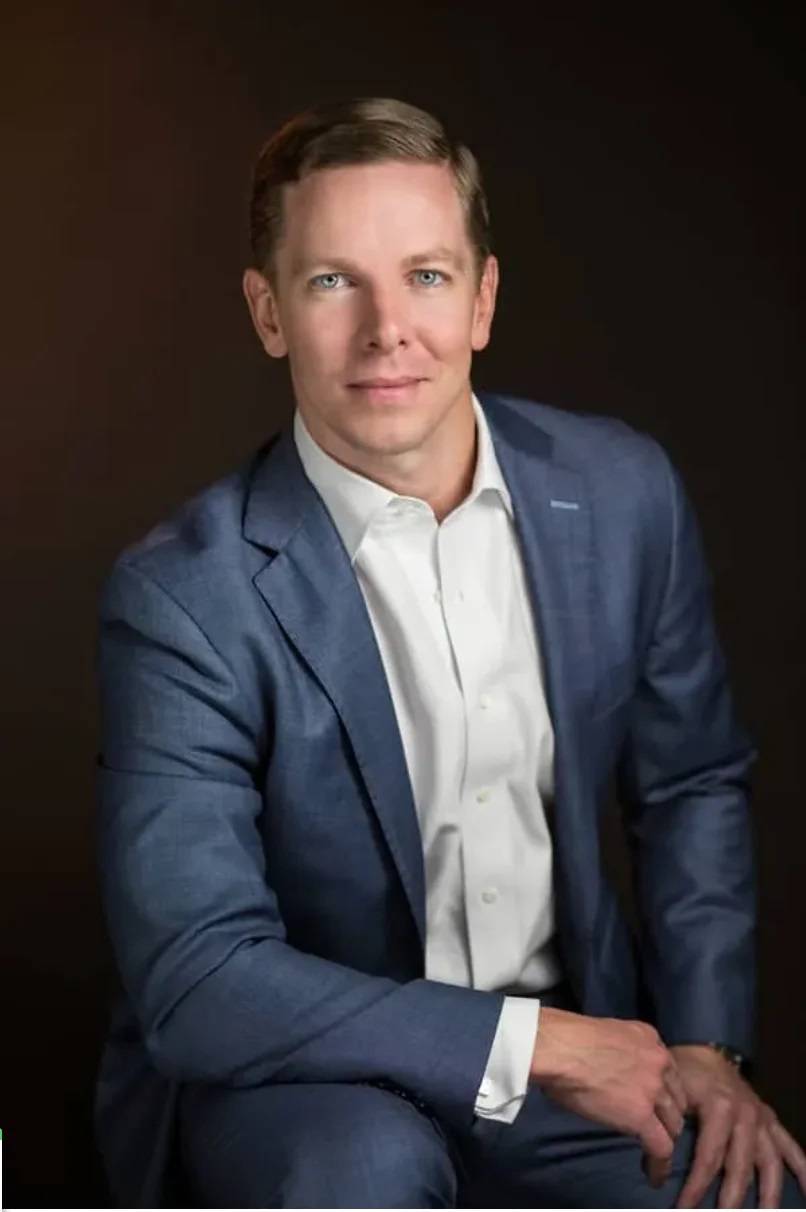
Dealing with the murky policies of insurance companies designed to confuse and prevent you from receiving compensation is our expertise.
15+ years experience as a personal injury attorney.
Specialized in battling insurance companies.
95% settlement rate for clients.
Handled 450+ personal injury cases.
Collected more than $50 million for clients.
450+ people have chosen Andrew as their attorney.
520+ Satisfied Clients
Our latest reviews on Google

Queen Jones
8 days ago
⭐⭐⭐⭐⭐ I highly recommend Andrew Pickett and his entire team! When I first started my case, I was frustrated and didn’t fully understand the legal process, and I initially gave them a one-star review. But Andrew and his team never gave up on me. They continued to stand by my side, worked extremely hard on my behalf, and stayed committed to getting my case resolved. What really stood out to me was their dedication and willingness to keep fighting for the best possible outcome. They handled my case professionally and worked hard to get it settled. I’m extremely grateful to Andrew Pickett and his entire team for everything they did for me. If you’re looking for a legal team that will stand beside you, work hard for you, and see your case through, I definitely recommend giving them a call. Thank you, Andrew Pickett and team, for all your hard work and dedication!

Kev Albaugh
17 days ago
After being in a serious car accident, I hired Andrew Pickett and his team in Melbourne to handle my case. From day one, Mr. Pickett treated me with genuine respect, compassion, and professionalism. He took the stress completely off my shoulders so I could focus on recovering. I would also like to recognize Lindsay, Jeremy, Vonda, and Caroline for always keeping me updated throughout the entire process and addressing any questions or concerns I may have had. Thanks to Andrews incredible expertise and relentless advocacy, he secured a phenomenal outcome that exceeded all of my expectations. If you are looking for an honest, hardworking personal injury attorney on the Space Coast who delivers real results, look no further than Andrew Pickett Law. They are the best in the business.

Robbi Sandkulla
19 days ago
When my fiancé was in a serious car accident, we were completely overwhelmed, but Andrew Pickett and his team were an absolute blessing. They stepped in immediately, handled every detail with the insurance companies, and kept us updated every step of the way. Seeing how much stress they lifted off his shoulders was a huge relief. Andrew fought hard and won an amazing outcome for his case. We are so incredibly grateful for this firm's dedication and highly recommend them!

Teresa Wyatt
1 month ago
The Team at Andrew Pickett has been great, so far. Extremely quick, and thorough. Wasted no time, in getting my case started.

Alondra “Alo” Ruiz
1 month ago
Very friendly and helpful. Love that they give back to the community.

Angela Oravits
1 month ago
We truley appreciate the kindness and helping us and many with a back pack. It was great to meet Andrew and Thank him for his kindness.

Jae is bae
1 month ago
That was so sweet of them, giving out free backpacks and supplies for the kids and making it easier for the parents to come up and just grab the backpacks and go to get home to their children. Love this event for people. I hope to see them next year as well.

K SN
1 month ago
⭐⭐⭐⭐⭐ I cannot say enough good things about my experience with Phindile at Andrew Pickett Law. From the moment she answered the phone, she was kind, compassionate, and truly listened to everything I had to say. After spending almost 16 months with another law firm where I felt completely ghosted and struggled with a lack of communication, I was feeling frustrated and unheard. Phindile spent nearly an hour on the phone with me, patiently listening to my concerns, answering my questions, and walking me through the process. She made me feel like my case actually mattered. In that one phone call, I received more communication, care, and reassurance than I had during my entire 16 months with my previous firm. Her professionalism, empathy, and willingness to help made such a stressful situation feel so much easier. If the rest of the team is anything like Phindile, I know I’m in good hands. Thank you for treating me with kindness and making me feel heard. I truly appreciate everything you’ve done.

marianne mattern
2 months ago
Andrew was a very nice person. Unfortunately they did not have shade for the people in the pre register line. Which left people with disabilities and non disabled left in the sun. They did provide little bottles of sunscreen and promo hand fans. Water was provided. Thank you for the kindness.

Rachael Brown
2 months ago
Thanks for your gracious contribution to our community

Jeremiah's Ice of West Melbourne
2 months ago
It was an absolute pleasure to join you this year in project backpack! What a great give-back for our local youth, it was an incredibly smooth event. Great team work!!

Nicole Popun
2 months ago
Thank you for giving back to the community. God bless your family.

Andrew Arnabat
2 months ago
My wife and I got hit with a car accident and the insurance chaos that followed. Tiffany Whitehouse and the Andrew Pickett Law team stepped up. Tiffany was always on the ball and went the extra mile. Vonda, Lindsey, Lauren, and Caroline really cared. They handled everything so we didn’t have to, moved fast, and got us the max they could. No stress. Just results

Joshua Sund
2 months ago
My daughter really enjoyed her backpack everything was very well organized

Audra Forbes
2 months ago
Amazing turnout! Everyone was so helpful, handing out waterbottlesand fans to stave off the scorching heat. I'm glad I stopped by.

Latisha Watkins
2 months ago
It was a pleasure to volunteer with Andrew Pickett Law Firm and his incredible team. I can’t say enough about how amazing his team communicated with me. A wonderful community event. The families that his firm helped at this year’s Back-to-School event was such a rewarding experience. The team was well-organized, welcoming, and made it so easy for me as a volunteer to step right in and make a meaningful impact. Watching the kids get excited about their new backpacks filled with supplies and seeing parents feel supported as the school year begins was the best part of the day. It’s amazing what can happen when a community comes together with a shared goal. I’m so grateful to have been a part of it and definitely look forward to helping out again in the future.

Rahmeik Venable
2 months ago
Wow, any person willing to hold an event to give back is an A1 person to me, the staff was absolutely amazing in organizing, and maintaining a great atmosphere for us all. I'll be looking forward to attending another community event.

Jennifer Cleveland
2 months ago
Lauren and her team are the best! Thank you for all the help, I 10/10 recommended them!

Megan Summers
2 months ago
It was a pleasure meeting Mr. Pickett and everyone at the law firm. From the moment I arrived, I was welcomed with kindness, professionalism, and genuine hospitality. Mr. Pickett took the time to personally greet me, listen attentively, and make me feel valued. What impressed me most was his commitment to giving back to the community, especially through initiatives that support local youth, such as the annual back-to-school backpack drive. It’s inspiring to see a law firm that not only provides excellent service but also makes a meaningful impact beyond the office. I am truly grateful to have had the opportunity to meet Mr. Pickett and his incredible team. Thank you all for your dedication, generosity, and the positive difference you continue to make in the community. I highly recommend this firm to anyone looking for a team that genuinely cares.

Ivanova Rodriguez
2 months ago
Great experience, kindness people